
Last updated November 18, 2026
 Sliding glass doors
 Single hung
 Double hung
 Horizontal roller
 Casement
 Bay & bow
 Entry doors
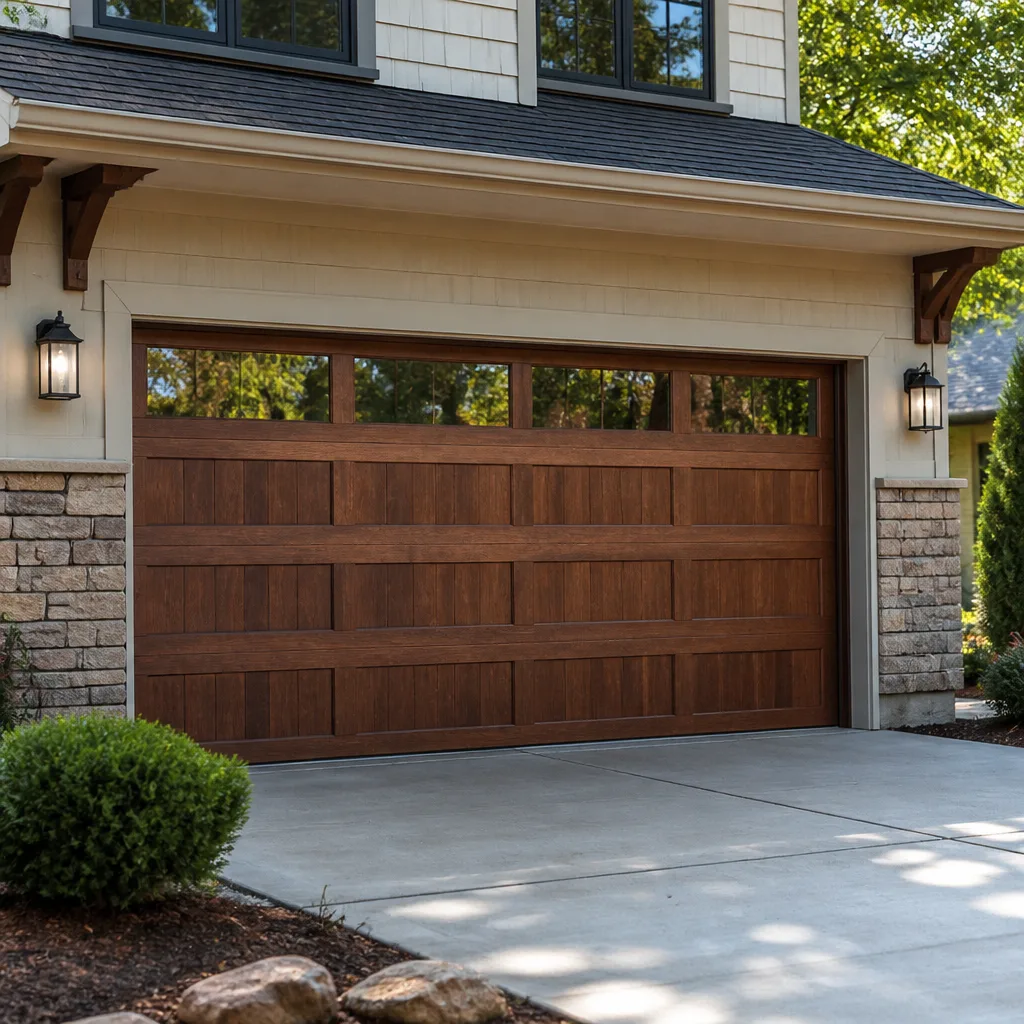 Impact garage doors
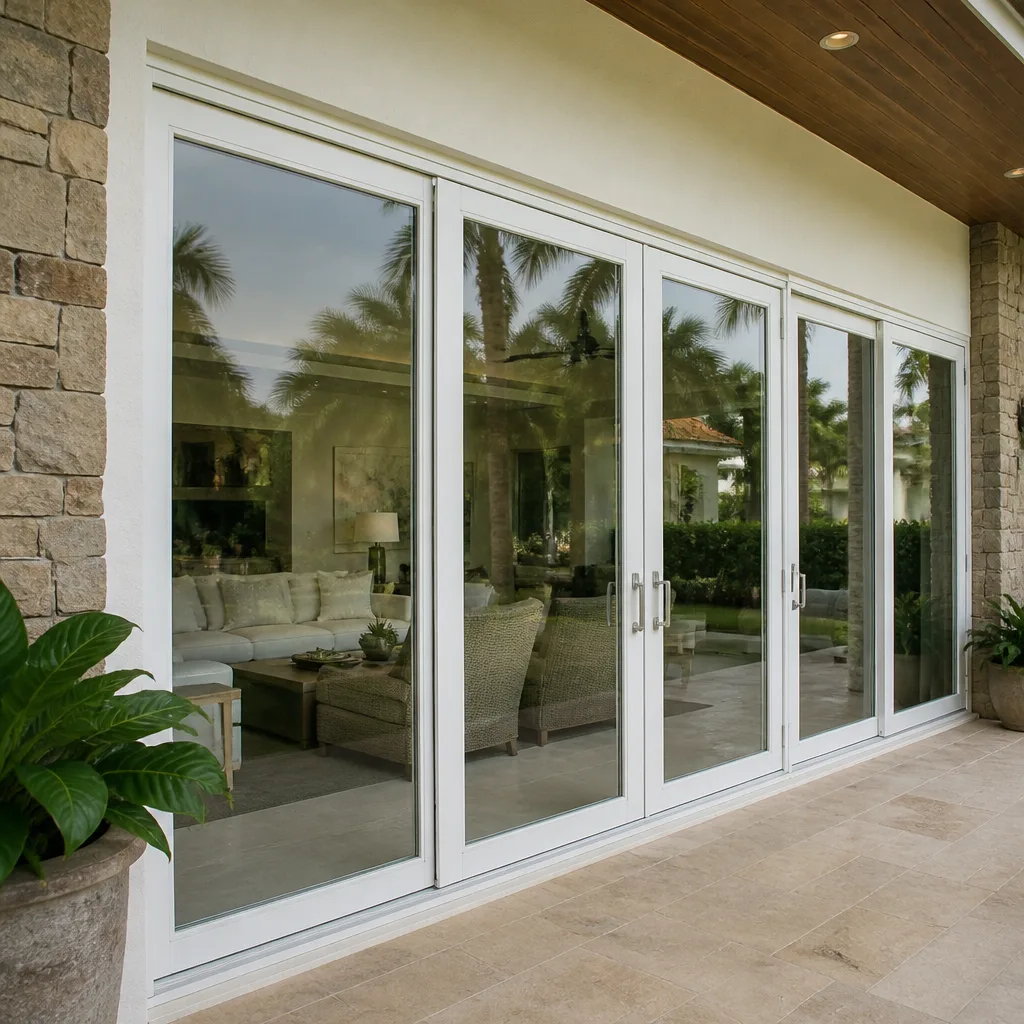 PGT
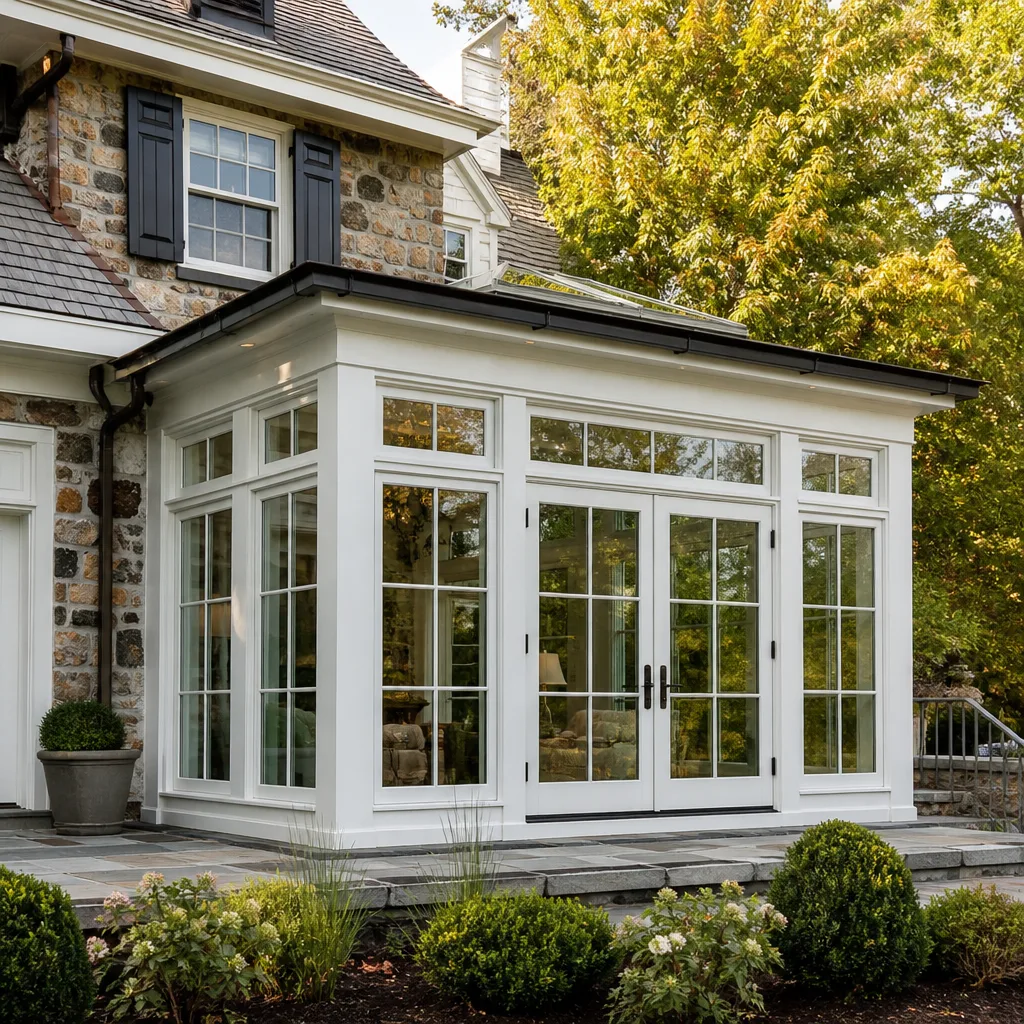 CGI
Free in-home measure and quote - PGT, CGI and CWS impact lines compared on your actual openings, style by style
Get your free estimateWindows & Doors Warning Signs: A Paradise Homeowner’s Reference Guide
A sticky door in July isn’t a minor annoyance. In a desert climate, it’s the first measurable sign of frame shift, and ignoring it typically leads to a lock mechanism failure within one season. We’ve watched that exact sequence play out in Paradise homes more times than we can count, and it almost always starts with something a homeowner wrote off as “just the heat.” This guide translates the early cues that desert-climate windows and doors give off weeks or months before a repair turns into a replacement. By the end, you’ll know which sounds, smells, drafts, and bill spikes are cosmetic, which are structural, and when to pick up the phone.
Quick Answer
In Paradise, the warning signs that matter most are door frames that stick or rack in high heat, condensation ghosting inside insulated glass, whistling or rattling at the weatherstripping, and sudden jumps in your summer cooling bill traced to a single opening. Thermal expansion in 110°F heat is normal; a frame that stays distorted after dark, or a gap that grows season to season, is not. Those four patterns tell you whether you’re looking at a repair or a replacement.
Styles & brands we work with
- Single hung
- Double hung
- Horizontal roller
- Casement
- Bay & bow
- Sliding glass doors
- Entry doors
- Impact garage doors
- PGT
- CGI
Table of Contents
- Desert Thermal Expansion vs. Structural Frame Movement
- What “Ghosting” Condensation Tells You About Your Insulated Glass
- The Sound Diagnostic: Rattles, Whistles, and Thuds
- Using Your Energy Bill to Isolate the Culprit Window or Door
- The Cardboard-and-Hand Test (Do This Before You Call Anyone)
- Cosmetic Wear vs. Structural Compromise
- Door Hardware and Lock Failure: The July Warning Signs
- When to Call a Professional
Desert Thermal Expansion vs. Structural Frame Movement
Every window and door frame in Paradise moves. Materials expand in the afternoon heat and contract after sundown. That’s physics, and it’s fine. The question is whether the movement returns to baseline. Here’s how to tell the two apart.
Normal thermal expansion shows up as a door that drags slightly on the strike plate between roughly 2 p.m. and 6 p.m. on a 110°F day, then swings free again after dark. Vinyl frames can flex a few millimeters; wood frames swell with any absorbed moisture. The key word is reversible. If the door or window works normally by evening, you’re looking at expansion, not failure.
Structural frame movement is different. Watch for these patterns:
- Persistent sticking after sundown. The frame has warped and isn’t springing back.
- Visible bowing along the head jamb or sill. You should be able to lay a straightedge against the frame and see no gap larger than a credit card’s thickness.
- Growing gaps at the corners of the frame or the drywall reveal. Measure once in spring and again in fall. A gap that widens is structural.
- New cracks in the stucco radiating from the corners of a window. In Paradise’s stucco-heavy housing stock, these often trace back to framing that has shifted.
- A door that latches easily in winter but won’t catch in summer. That’s a racked frame, not a lock problem.
We’ve seen this most often on west- and south-facing walls where afternoon sun hits the frame directly. If your sliding glass door faces west and you’re fighting it every summer, that’s a classic Paradise pattern. Proper installation with the right expansion allowances and flashing matters more here than in any humid climate. It’s why we’re careful about which systems we put into desert homes, and why window installation in Sandy Valley follows the same heat-load-first approach we use across the region.
One practical test: place a level against the jamb, vertically and horizontally. If it shows more than a slight deviation and the deviation is consistent across seasons, call a professional. Frame issues don’t resolve on their own.
What “Ghosting” Condensation Tells You About Your Insulated Glass
Condensation on the inside of your window’s glass, between the panes, is called ghosting. It’s the clearest sign an insulated glass unit (IGU) has lost its seal. Once that seal fails, the argon or krypton gas that gives the window its insulating value leaks out and moisture gets in. The unit doesn’t insulate anymore, and no amount of wiping will fix it. The glass has to be replaced.
Here’s where national guides get it wrong for Paradise. Most photos of failed IGUs show heavy, milky fogging or visible water droplets, which is what happens in humid climates. In the low desert, you often won’t see that. What you’ll see instead is a faint, silvery haze or a slight rainbow sheen at the edge of the glass that only shows up at certain angles, or a whitish “ghost” film that looks like it’s on the glass but won’t come off with cleaner. It might only appear first thing in the morning or after a rare monsoon shower. We’ve had Paradise homeowners describe it as “the glass looks dusty no matter how much I clean it.” That’s the tell.
What to look for:
- Haze or ghost film between the panes, visible at an angle in low light. Try a flashlight against the glass at night; it exposes edge silvery sheen that sunlight hides.
- Condensation trapped between the panes (not on the room-side surface). Room-side condensation is a humidity issue; between-pane is a seal failure.
- A soft popping or crackling sound from the glass on hot afternoons, caused by pressure change inside a failing unit.
- A faint “cold spot” on the glass in winter, where the seal has failed and the unit no longer insulates uniformly.
Ghosting isn’t dangerous, but it degrades energy performance and it’s progressive. A failed IGU can’t be repaired; the sealed assembly has to be swapped. Many modern window lines allow glass-only replacement without tearing out the frame, which is far cheaper than a full unit. If your windows are older single-pane glass, though, the whole assembly is usually the better path, and that’s where window replacement in Sandy Valley and the surrounding desert communities comes into play. For homes where heat gain and impact resistance both matter, impact windows in Sandy Valley address both problems at once.
The Sound Diagnostic: Rattles, Whistles, and Thuds
Your ears are a diagnostic tool. Windows and doors make specific sounds that map to specific failures. Before you call anyone, spend five minutes on a windy day or a high-wind evening and write down what you hear and where.
Whistles
A whistle is air being forced through a gap that shouldn’t be there. It maps almost always to weatherstripping failure at the jamb, head, or sill. Weatherstripping is the flexible strip that seals the operating gap around a window sash or door leaf. In Paradise’s heat, weatherstripping degrades faster than in cooler climates because the material cycles through extreme expansion and UV exposure. A whistle at the top of a door usually means the head weatherstripping has flattened. A whistle along one side of a window means the sash isn’t seating against the jamb uniformly.
Rattles
A rattle is loose hardware or a loose pane. It maps to hardware wear or a gasket problem. If a rattle comes from the glass itself when you tap around the perimeter, the glazing bead or gasket may have shrunk away from the glass, and that’s a reseal job. If it comes from the handle, lock, or hinges, the hardware has worked loose. In sliding glass doors, a rattle often means the rollers are worn and the door is sitting unevenly in the track, which loads the frame and accelerates wear everywhere else.
Thuds
A thud is a window or door moving inside its frame when wind pushes on it. That maps to frame separation or a failed sash balance on a hung or casement window. If a window thuds against the frame on gusty days, the sash isn’t seating, and the problem is structural, not just a seal. A door that thuds when it closes usually has a misaligned strike or hinges pulling out of the jamb.
We recommend a simple recording exercise: on a windy afternoon, walk every exterior opening in the house with your phone’s voice memo app going, tapping gently and listening. It takes ten minutes and it tells a technician exactly where to start when they arrive. It’s the kind of specific information that helps you get the right repair faster and gets you a straighter answer on your estimate. And it saves you from being sold a full replacement when you need a weatherstripping and hardware refresh.
Using Your Energy Bill to Isolate the Culprit Window or Door
Your cooling bill is a diagnostic. A window or door that suddenly loses its seal or its weatherstripping shows up as a measurable spike in summer cooling costs, and comparing month-over-month bills can isolate the culprit before you’ve spent a dollar on a service call.
A failed IGU typically adds 10% to 25% to the cooling load for that room’s exposure, and a door with failed weatherstripping can add more because a door opening is much larger than a window. In Paradise, where summer cooling bills dominate household budgets, that percentage translates to real dollars. A $250 monthly cooling bill with one failed west-facing window might run $280 to $310 the following summer, and the trend worsens as more seals fail.
How to use the bill as a tool:
- Pull the same month from last year, plus the month before. Look for jumps that don’t align with rate increases; compare your kilowatt-hour use, not your dollar total.
- Note when the jump started. If it coincides with a specific hot stretch, that’s a clue, but if the jump persists across several months and the weather was consistent, a physical failure is likely.
- Correlate with a room. If one bedroom is consistently hotter despite adjusting the vents, or one wall feels warmer to the touch, that opening is a candidate. A cheap infrared thermometer pointed at the interior glass and near the frame will show the temperature difference clearly.
- Check the rest of the house. A failing HVAC system, a dirty filter, and an aging water heater can all raise bills too. Rule those out before you call a window specialist. In our experience, homeowners often blame the AC when the real culprit is a failed IGU on a south-facing slider.
If you can identify a jump of 10% or more with no change to your thermostat and no other explanation, a professional can inspect and confirm within a single visit. Estimates from us are always free, and we’ll tell you plainly if the window isn’t the problem.
The Cardboard-and-Hand Test (Do This Before You Call Anyone)
This is the single most useful five-minute test a Paradise homeowner can do. It isolates air infiltration on any window or door, and it tells you whether you’re dealing with a weatherstripping failure you can see or a gap you can’t spot with your eyes.
- Turn off the HVAC entirely. Wait 20 minutes. You want still air inside the house.
- On a windy day, or with a fan blowing against the exterior window or door from outside (if you have a helper), hold a piece of cardboard about 12 inches from the interior surface of the window or along the door’s edges.
- Move the cardboard slowly along the perimeter. A draft will deflect the cardboard or whistle through the edge.
- Then do the hand test. Wet the back of your hand and hold it near the frame corners, hinges, sill, and strike plate. Wet skin is far more sensitive to airflow than dry skin, and it will register a draft a bare hand won’t.
- Note the location. The draft location maps to a specific fix. Head jamb draft: head weatherstripping. Hinge-side draft: worn gasket or misaligned hinge. Sill draft: door sweep or threshold. Corner draft on a window: gasket or glazing bead.
Do this test at midday in summer and again in winter. A draft that appears in summer but not winter points to frame movement, because the frame has racked in the heat and won’t seal correctly. A draft that’s constant year-round points to degraded weatherstripping or a gasket. The two require very different repairs.
Never use this test to justify a DIY sealant job around a frame. Sealing a moving frame traps moisture and can make a structural problem worse. The test is for diagnosis, not repair.
Cosmetic Wear vs. Structural Compromise
Not every warning sign demands a replacement. The most expensive mistake we see in Paradise is a homeowner paying for full replacement when a repair would have solved the problem for a fraction of the cost, followed closely by a homeowner patching cosmetic wear and paying double later. Getting the line between cosmetic and structural right is the whole game.
Signs that are cosmetic or fixable:
- Faded or chalky finish on the exterior frame. UV does this to vinyl and painted wood in Paradise. It’s cosmetic and can be painted; it doesn’t affect sealing.
- Scratches on the glass surface. Annoying, especially on a slider, but not structural unless the scratch has compromised the glass edge.
- Worn weatherstripping or a worn door sweep. Replacing weatherstripping is a same-visit repair, typically cheap.
- A single failed IGU with a sound frame. Glass-only replacement preserves the frame and saves the bulk of the cost.
- Worn hardware (handles, locks, hinges, rollers). Hardware is a replacement part, not a structural issue, unless the underlying frame is also compromised.
- Sticking in the heat only, resetting in the evening. Thermal expansion, not failure.
Signs that indicate structural compromise, where replacement is usually the right call:
- A cracked or broken frame at the weld or mitre joint. A frame can’t be re-welded in place.
- Rotted or soft wood at the sill or frame corners. Moisture intrusion has begun, and rot spreads.
- Visible water staining on the interior drywall around the opening. That’s not a window problem anymore; that’s a water-intrusion problem behind the frame.
- Racked frames (out of square) that no adjustment corrects.
- Multiple failed IGUs in the same window package. If more than half the units have failed seals, the whole assembly is at end of life.
- Drafting through the frame itself, not just the weatherstripping, when the cardboard test flags the frame continuous or the sill.
- Impact or security concern where the existing glass isn’t rated. In Paradise’s wind-prone region, non-impact-rated glass on exposed walls is worth upgrading regardless of age.
We’ve seen the second pattern traced back to a single summer failure on west-facing glass. It’s why we suggest writing down the model and install year of every window before the problem starts. If your home still has builder-grade units from the original build, they’re likely past peak performance now, and it’s worth having them inspected rather than guessing. The Winslow Windows & Doors Paradise home page lays out how our inspections work, and we keep the answer honest: replace what needs replacing, repair what doesn’t.
Door Hardware and Lock Failure: The July Warning Signs
A door that sticks in July is the first sign of frame shift. Ignore it and the lock mechanism fails within a season, usually in a moment of need (a late-night arrival, a rushed school morning). That sequence is so consistent in Paradise homes that we can often predict the lock failure from the sticking pattern alone. Here’s the causal chain, and how to catch it early.
- The frame racks in high heat. The door leaf and strike plate move out of alignment by a few millimeters. The door still opens and closes, but you have to lift or push to latch it.
- The deadbolt stops aligning. The bolt drags on the strike plate. Most homeowners start pressing the door inward while turning the key, which is the moment the failure has started. The extra force stresses the latch and the hinge plates.
- The hinge plates work loose. Screws pull out of the jamb under the repeated pressure. Now the door sags, the top and bottom corners gap, and the weatherstripping no longer seals.
- The lock mechanism fails. Either the internal latch spring or the deadbolt return spring snaps, or the handle set pulls free from the door. At this point you’re either locked out, locked in, or unable to secure the door at all.
Catch it at step one. If a door takes effort to latch in July but swings free in winter, treat it as a frame alignment problem and get it checked. Hardware like a Therma-Tru or ViewLux entry system holds up well, but no hardware survives a year of being forced into a misaligned frame. If the alignment problem is corrected early, the hardware will outlast the door; if it’s ignored, the hardware will fail and take the weatherstripping with it.
The same chain applies to sliding glass doors. A slider that sticks in July is usually a roller problem, not a frame problem initially, but the uneven load on the track accelerates frame wear. If your slider takes two hands to open, or you hear a grinding sound, the rollers are the first thing a technician will check.
Two door hardware warnings that every Paradise homeowner should check after a monsoon storm:
- Water pooling in the door track or threshold, which corrodes hardware and swells threshold material. This is why a proper door install, like those we do with window replacement in Sandy Valley neighbors rely on for the same desert conditions, includes sill pan flashing and a raised threshold when appropriate.
- A faint draft at the bottom corner of the door, near the hinge side, which signals the sweep has failed and the frame has started to shift.
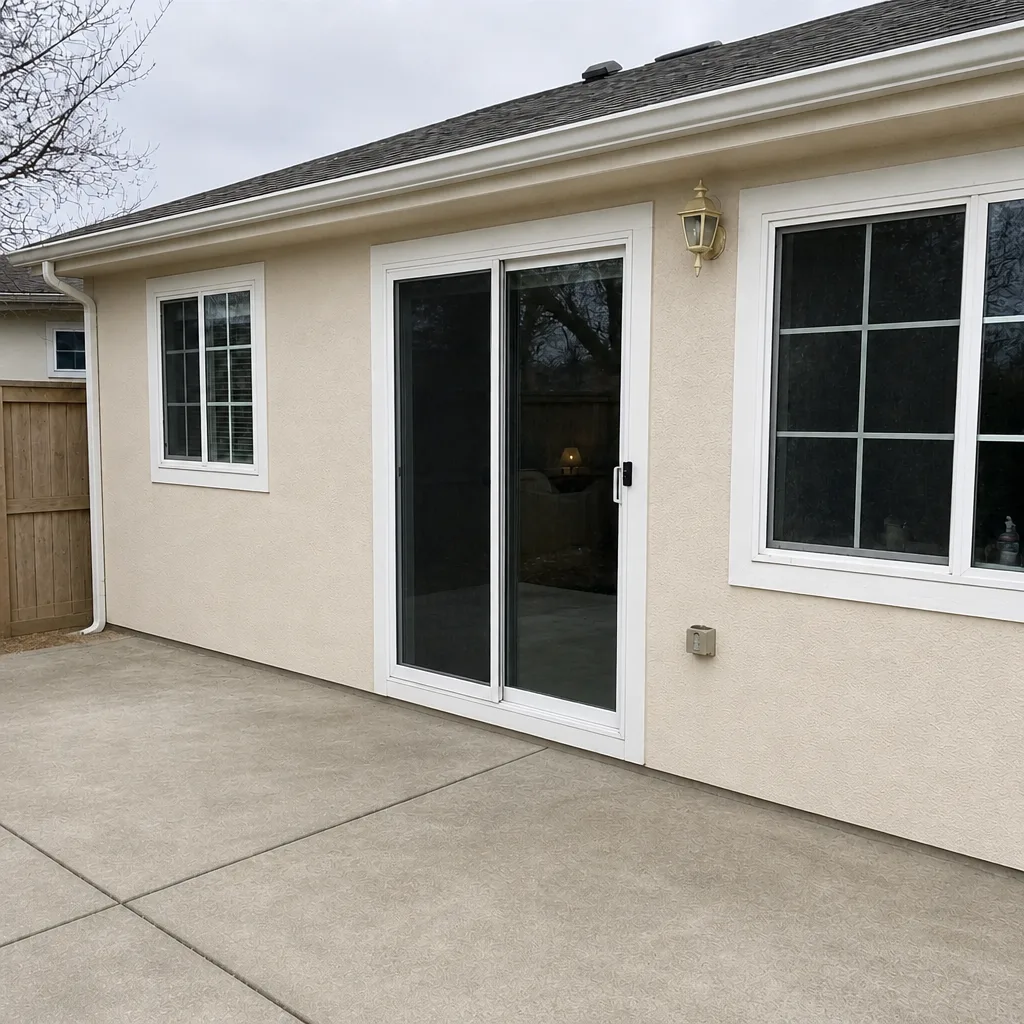
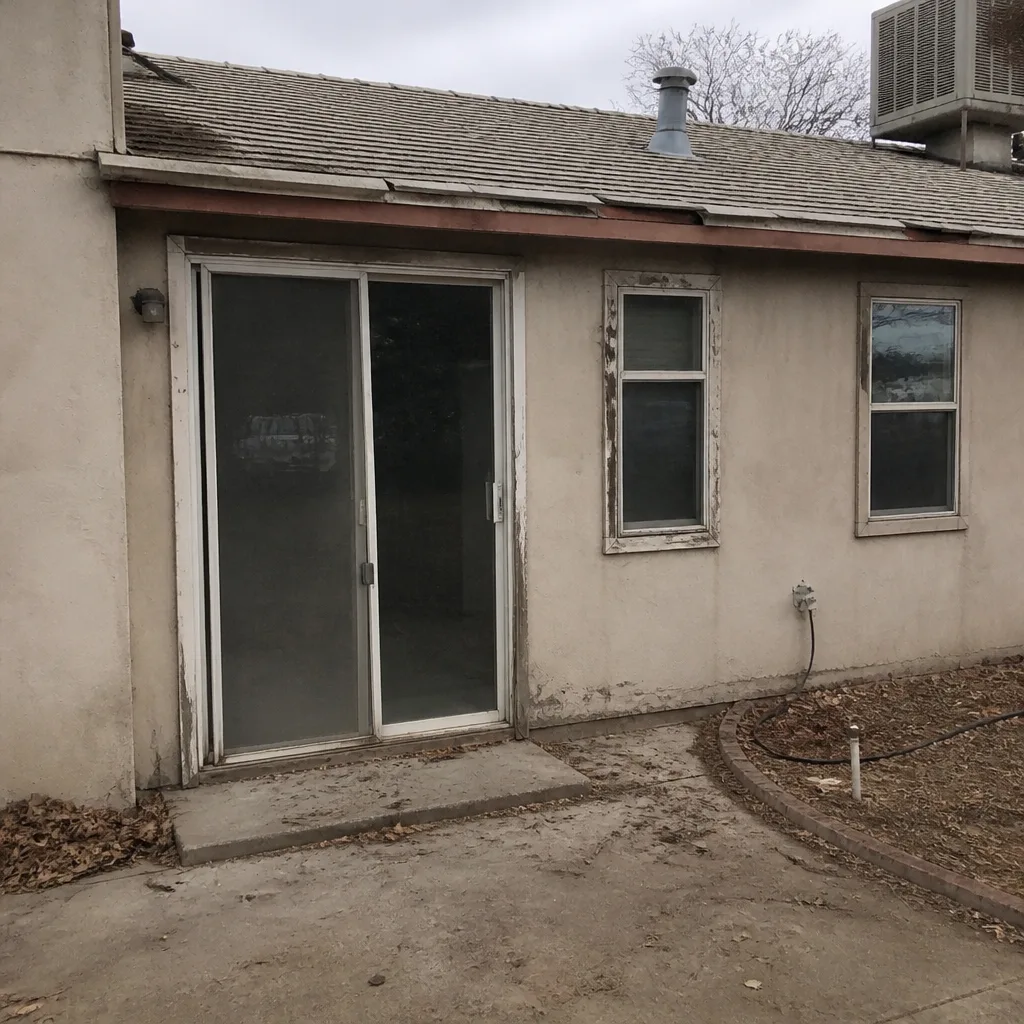
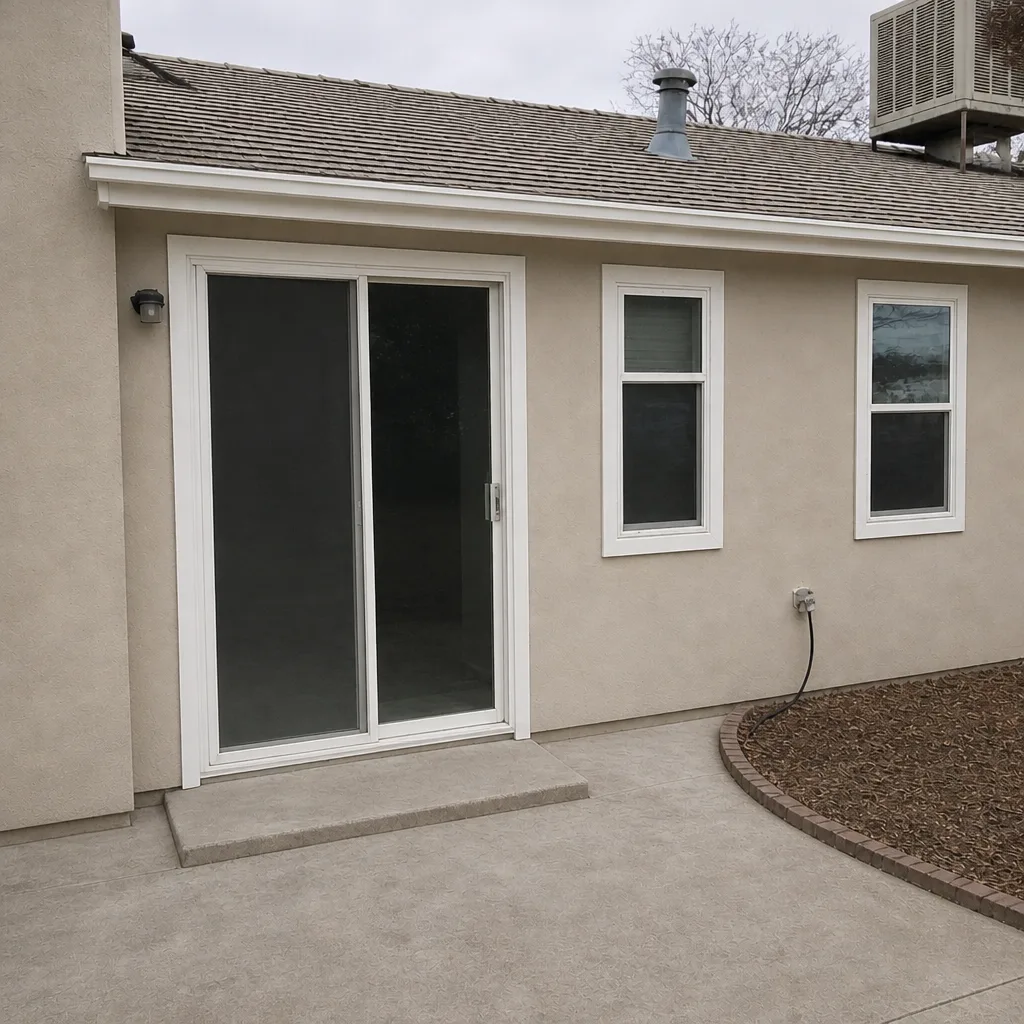
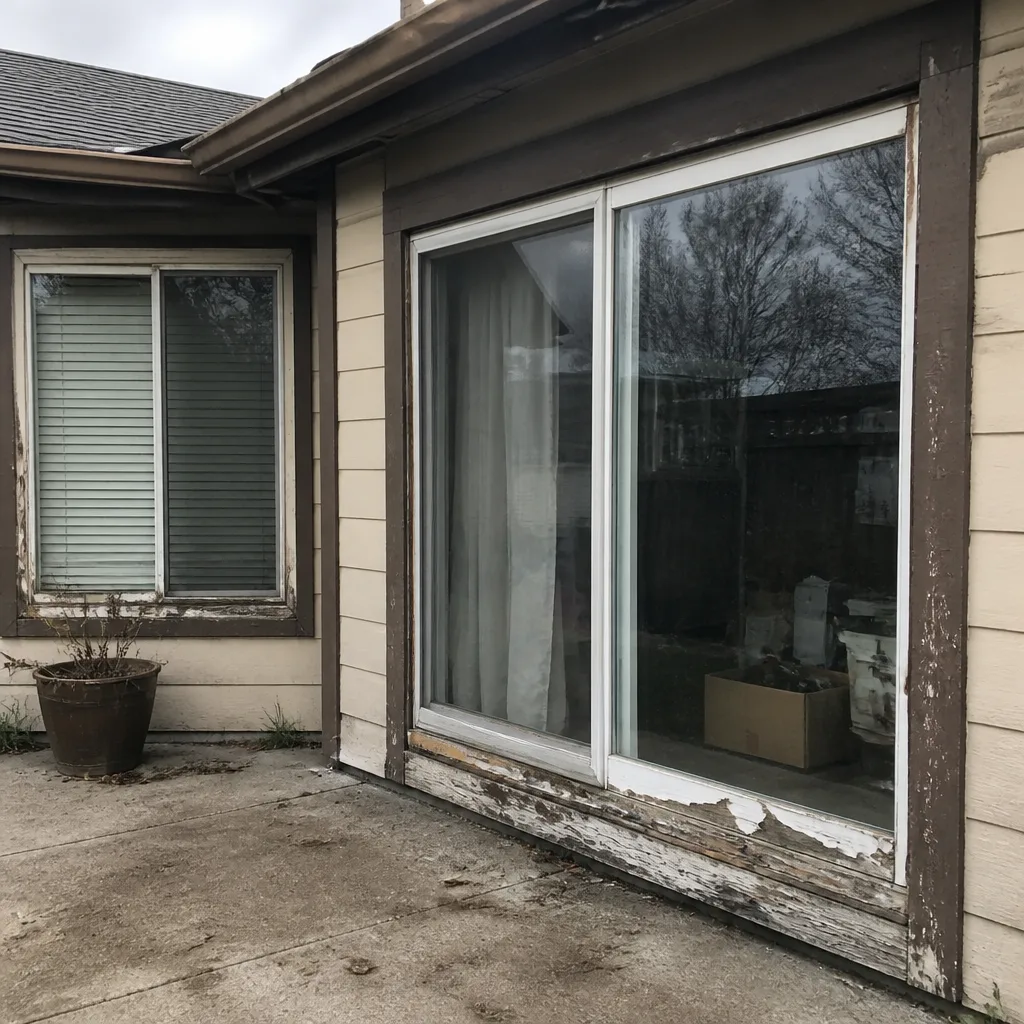
See the difference
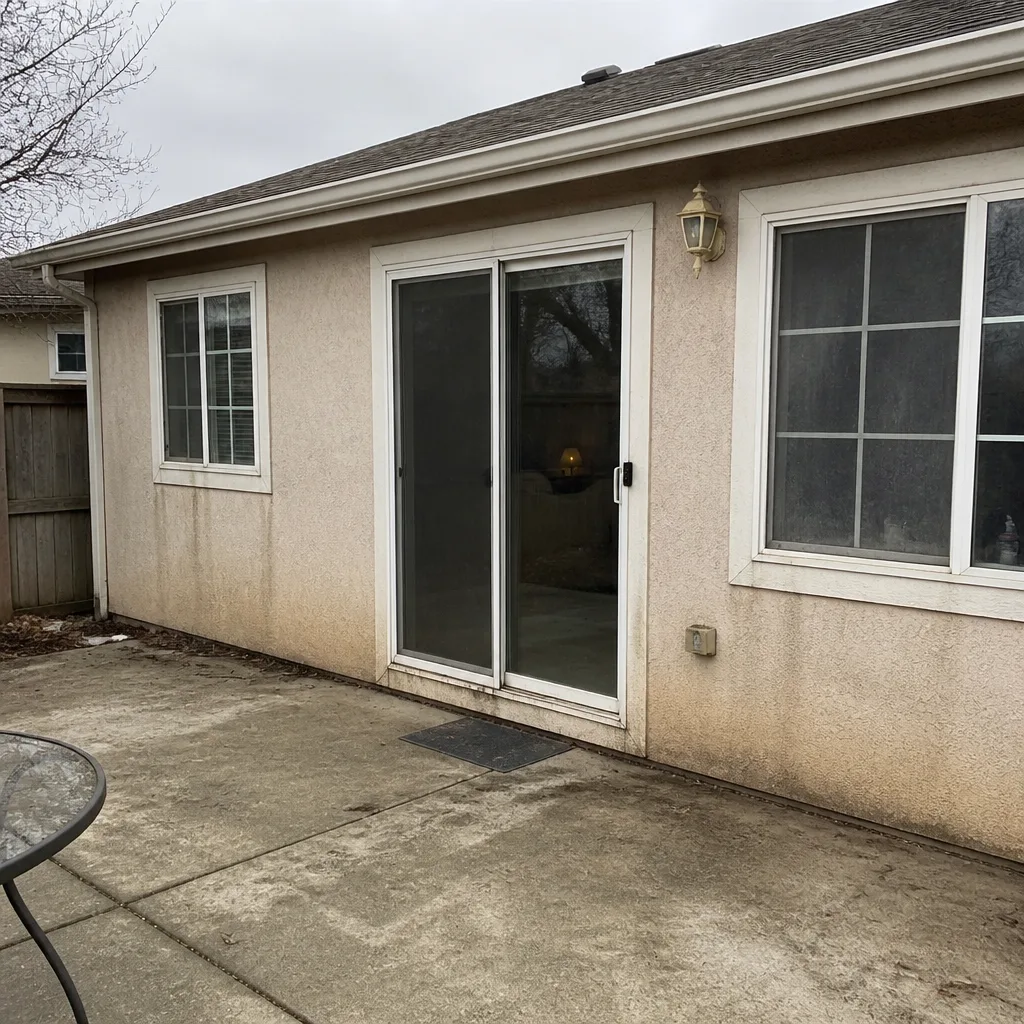 Before
 After
 Before
 After
 Before
 After
Common Mistakes to Avoid
- Treating a sticky door as a lock problem. The lock is the last thing to fail, not the first. If you replace the lock without fixing the frame alignment, the new lock will fail within a season too.
- Caulking over a draft. Caulk will seal a gap temporarily, but if the frame is moving, the caulk will crack within weeks and you’ve hidden the real signal from the next inspection.
- Wiping condensation off the room-side of the glass and assuming it’s fine. Room-side condensation is a humidity issue, but between-pane condensation is a seal failure. Check both.
- Replacing every window after one failed IGU. Multiple seals failing on the same package is different from one failed unit. Have a professional look before you commit to a full replacement.
- Ignoring a west- or south-facing window because it’s “just the heat.” Those are the windows most likely to fail first in Paradise, and they’re the ones to inspect twice a year.
- Chasing a lower bill with weatherstripping alone. Weatherstripping fixes air infiltration, not glass failure. If the IGU has failed, no amount of weatherstripping will restore the R-value.
- Letting a monsoon storm pass without walking the perimeter. A single storm can introduce water intrusion that shows up as a structural problem months later. A five-minute walk after a storm catches the majority of these.
When to Call a Professional
Call a professional if any of the following is true: a door or window no longer returns to normal operation after the heat breaks; you see ghosting or condensation between panes; you have a draft that a cardboard-and-hand test confirms at the frame, not the weatherstripping; the lock on a door no longer latches without force; you spot water staining on drywall around an opening; or you’ve had a monsoon storm water intrusion that hasn’t fully dried. Also call if you have any doubt at all, because a free inspection is far cheaper than a failed lock or a hidden water problem.
Winslow Windows & Doors Paradise offers free estimates in Paradise and the surrounding areas. A live person answers every call, day or night, at (833) 958-8388. Every technician is background-checked and arrives in uniform, so you know exactly who’s at your door. We install impact-rated and energy-efficient windows and doors from PGT, CGI, Therma-Tru, ViewLux, and four other premium brands, and we back every job with the 36500-Day Done Right Promise: if it isn’t done right, we make it right.
Frequently Asked Questions
Look for a silvery haze or ghost film between the panes that won’t clean off, visible at an angle in low light or when a flashlight hits the glass at night. Unlike the foggy pictures in most national guides, desert seal failures often show as a faint film rather than visible droplets. If you see any ghosting between the panes, the IGU has lost its seal and needs glass replacement. Call (833) 958-8388 for a free inspection.
It’s usually the first stage of frame movement, not just heat. Thermal expansion is normal, but the door should swing free after sundown. If it stays sticky after dark, or the sticking grows worse season to season, the frame has racked and needs checking before the lock mechanism fails. Call (833) 958-8388 to schedule a free estimate.
A whistle means air is being forced through a gap, and the cause is almost always failed weatherstripping or a sash that isn’t seating against the jamb correctly. Weatherstripping degrades faster in desert heat, so it’s a common Paradise issue. A technician can identify the exact gap in a single visit. Call (833) 958-8388 to schedule your free estimate.
Yes. A single failed IGU on a south- or west-facing window commonly adds 10% to 25% to the cooling load for that room’s exposure, and a failed door weatherstrip adds more. Compare kilowatt-hour use in the same month year over year, rule out HVAC issues, then do the cardboard-and-hand test on your hottest-facing openings. Call (833) 958-8388 for a free estimate; we’ll tell you directly if the window isn’t the culprit.
Repair if only the glass has failed and the frame is sound; glass-only replacement (IGU swap) typically costs a fraction of a full unit. Replace the whole unit if the frame has cracked joints, rot, a rack, or multiple failed IGUs in the same package. In Paradise, original builder-grade windows from the home’s construction date are often past peak and worth a full evaluation. Call (833) 958-8388 for a free estimate.
West- and south-facing units on direct afternoon sun fail first because they cycle through the largest temperature swings every day. Doors on west- or south-facing walls are next, and sliding glass doors on those exposures are the highest-risk opening of all. If your home faces west toward open desert, plan twice-a-year inspections on those openings. Call (833) 958-8388 for a free estimate on any of them.
The Bottom Line
Most window and door failures in Paradise announce themselves before they become expensive. A sticky door in July, a ghost film between the panes, a whistle at the jamb, or a summer cooling bill that jumps with no other explanation, these are the early signals. The distinction between cosmetic wear and structural compromise matters, and it’s the difference between a modest repair and a full replacement. Do the cardboard-and-hand test, run the sound diagnostic, pull last year’s bill, and know when to call. A neighbor you can call at any hour shouldn’t be hard to find, and for Paradise homes, that’s us. Call (833) 958-8388 for a free estimate, and we’ll tell you exactly what you’re looking at.
Written by the team at Winslow Windows & Doors Paradise.