
Last updated November 18, 2026
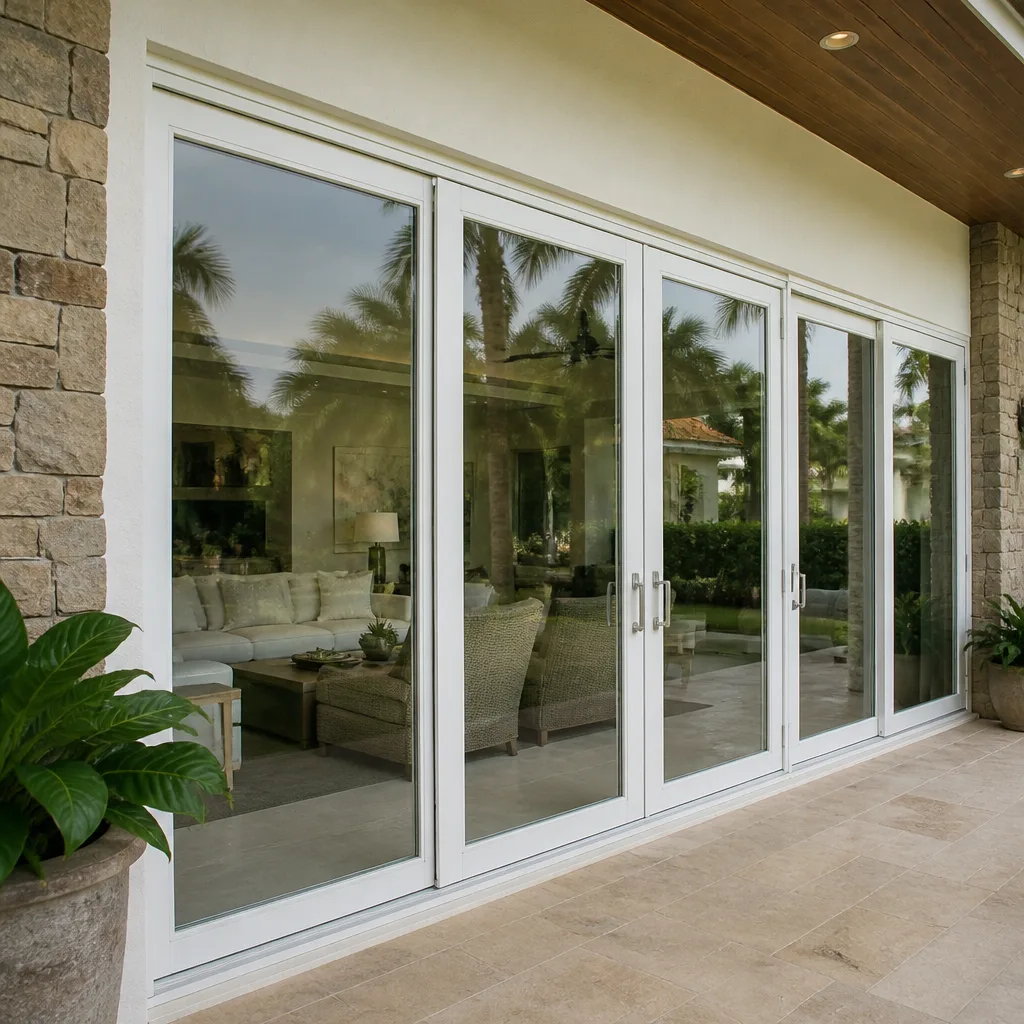
 Sliding glass doors
 Single hung
 Double hung
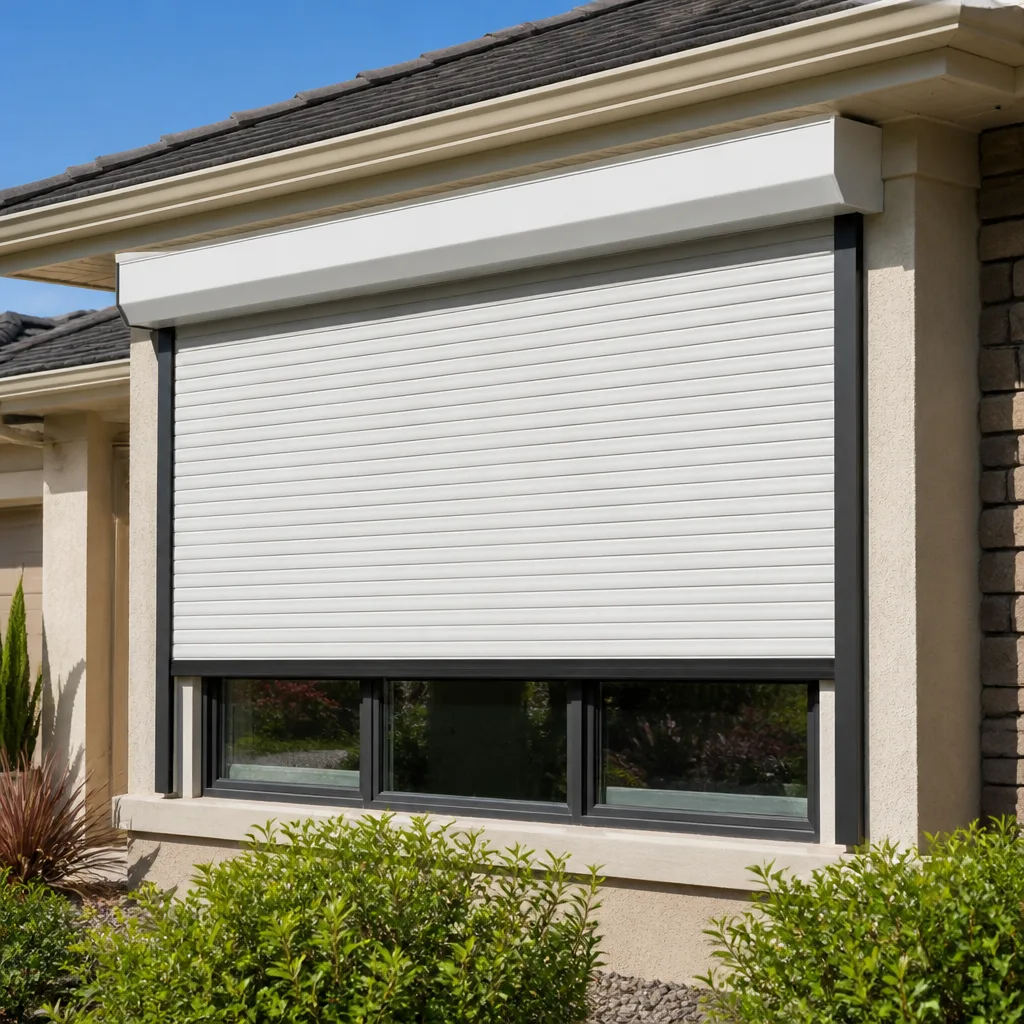 Horizontal roller
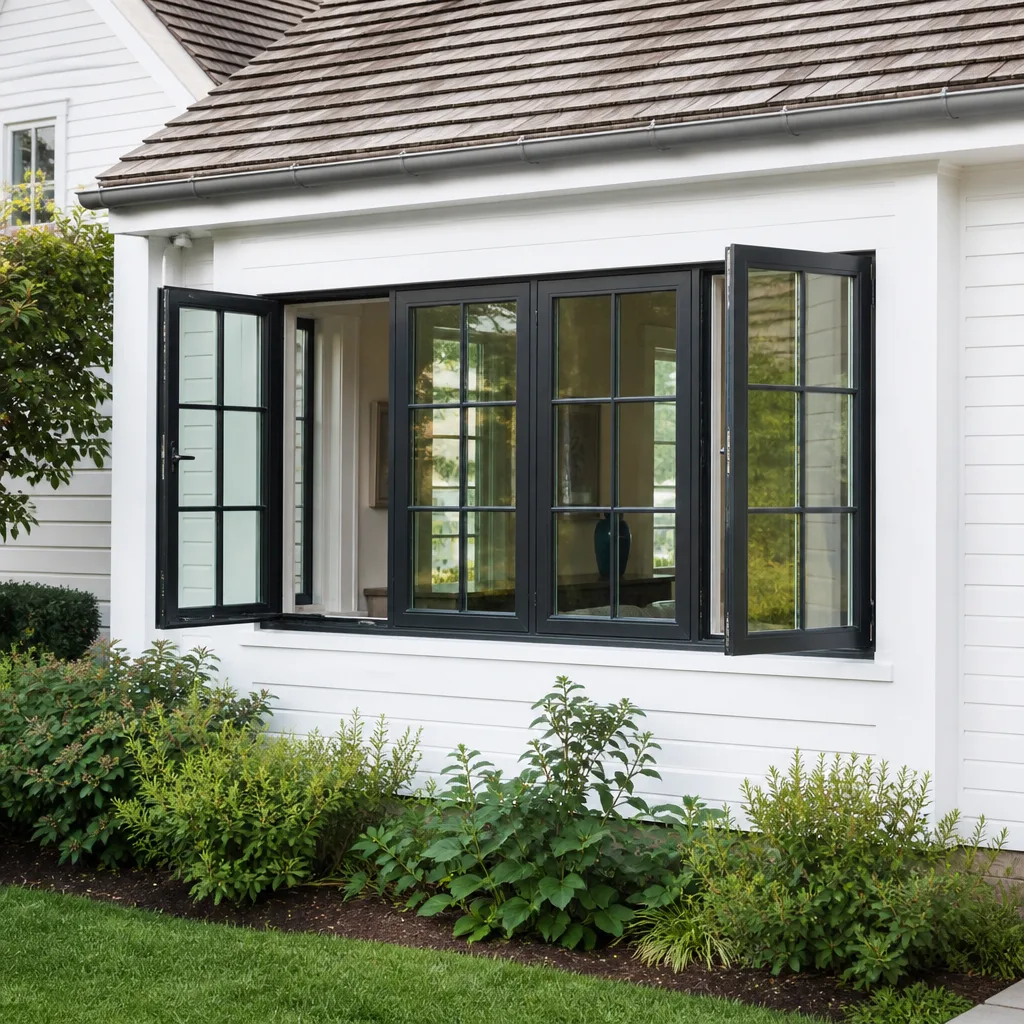 Casement
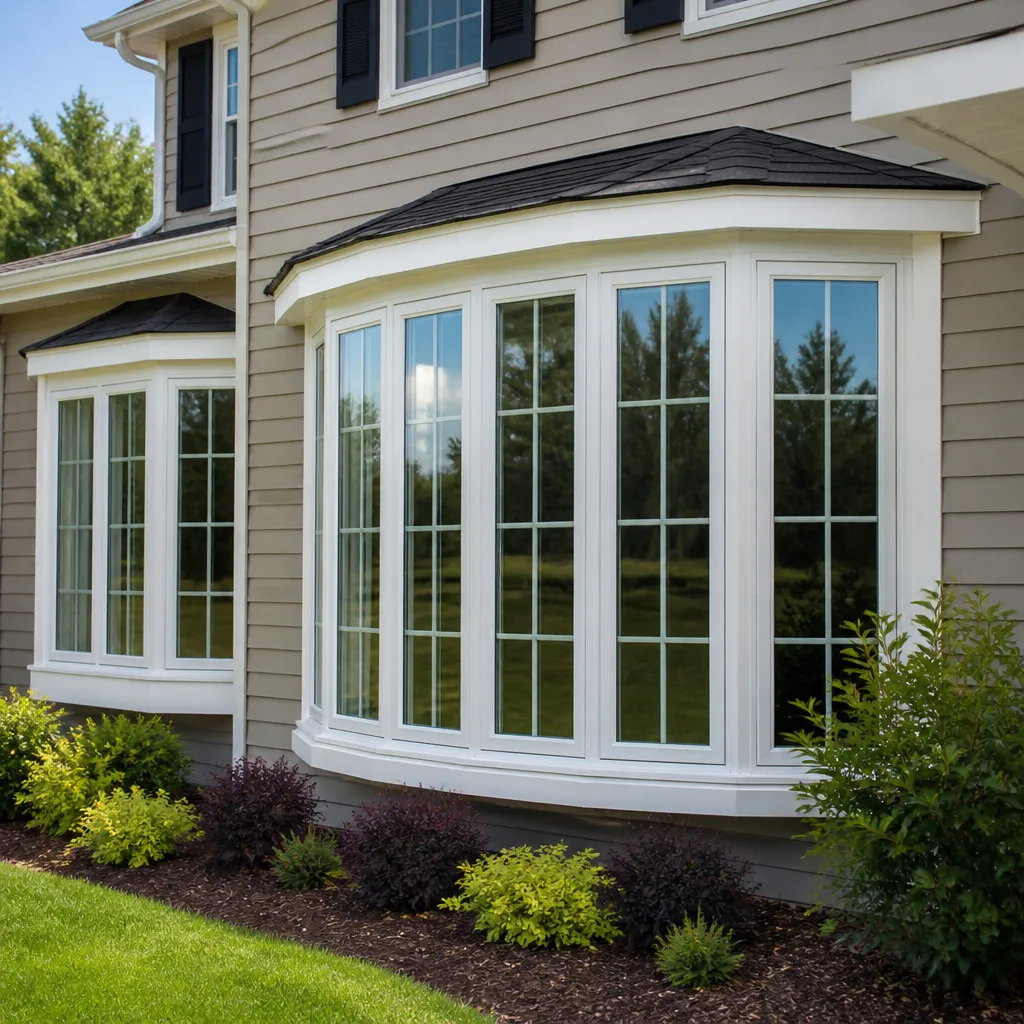 Bay & bow
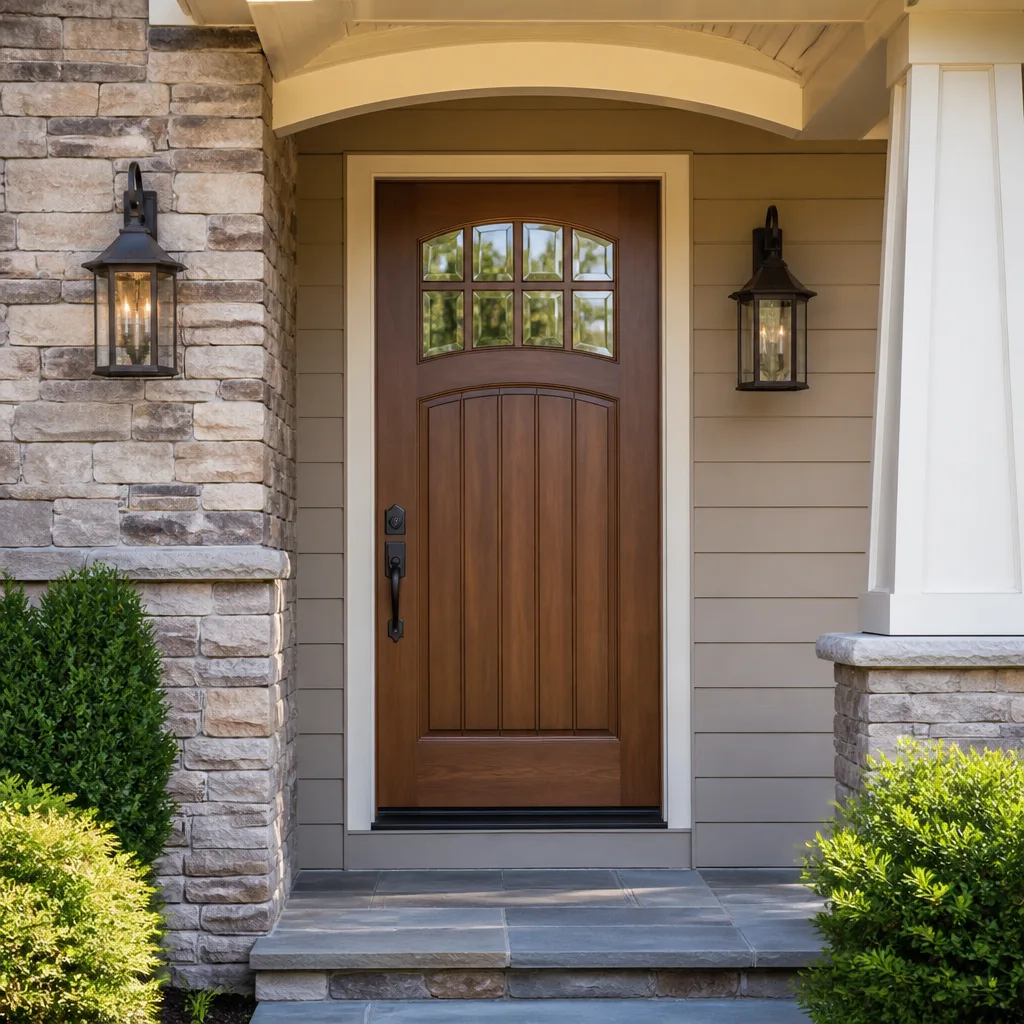 Entry doors
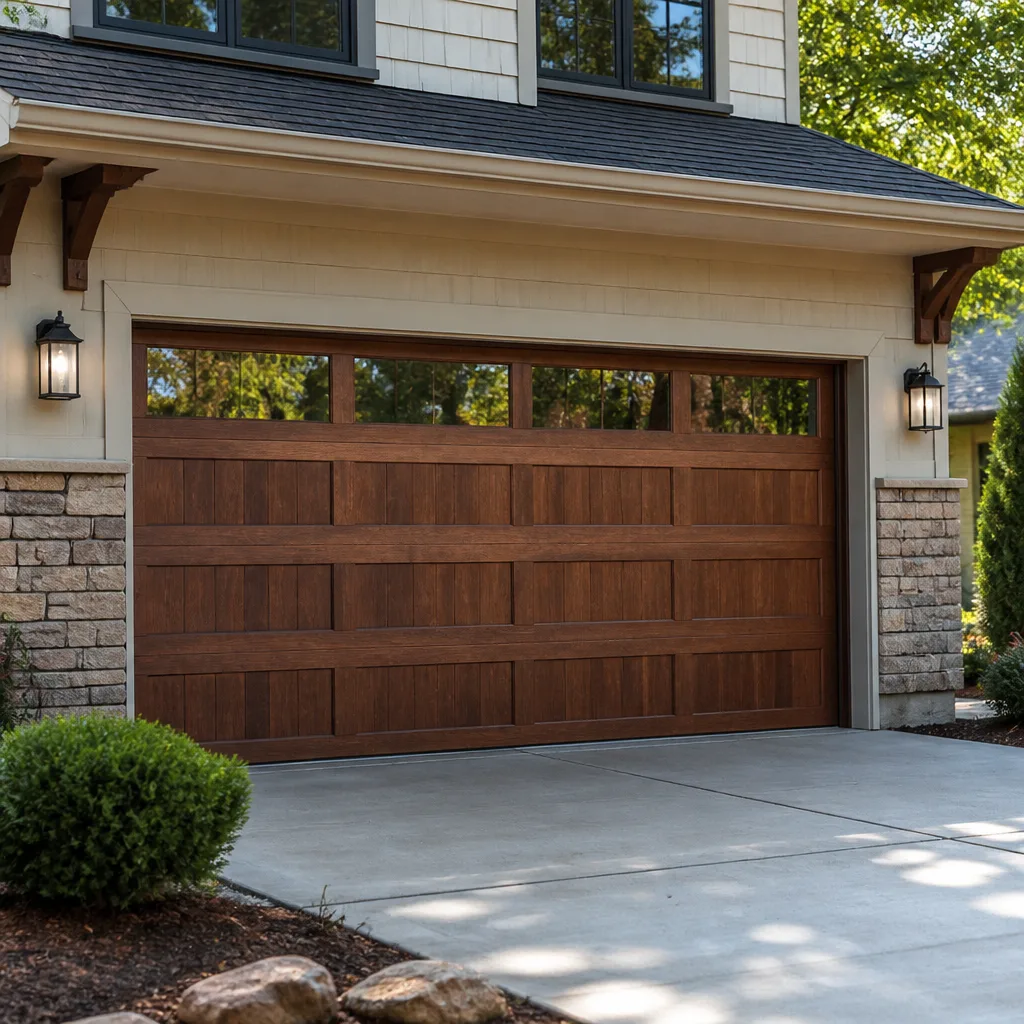 Impact garage doors
 PGT
 CGI
Free in-home measure and quote - PGT, CGI and CWS impact lines compared on your actual openings, style by style
Get your free estimateDIY vs Professional Windows & Doors: The Paradise Homeowner’s Decision Guide
Here’s the number that surprises most Paradise homeowners: a window installation that looks flawless to your eye can still fail a resale inspection years later because it was never permitted. Nevada requires a licensed contractor for most window replacements that involve structural openings, and an unpermitted install can stall a sale long after the caulk has cured. This guide isn’t a cheerleading piece for hiring a pro for everything. It draws an honest line between the tasks that genuinely make sense to do yourself and the ones where desert heat, low humidity, and state licensing rules turn a weekend project into a five-figure problem. By the end, you’ll know exactly where that line sits in Paradise.
Quick Answer
For most Paradise homeowners, full window and door replacements should be done by a licensed contractor because Nevada law requires it for structural openings, manufacturer warranties from brands like PGT, CGI, and Therma-Tru require certified installation, and the desert climate punishes small seal failures. DIY makes sense for a narrower set of jobs: hardware swaps, interior weatherstrip replacement, and caulk touch-ups that don’t disturb the thermal seal.
Styles & brands we work with
- Single hung
- Double hung
- Horizontal roller
- Casement
- Bay & bow
- Sliding glass doors
- Entry doors
- Impact garage doors
- PGT
- CGI
Table of Contents
- Where the Law Draws the Line in Nevada
- Three DIY-Friendly Tasks That Fail in Desert Conditions
- The Warranty Reality Nobody Tells You
- Where DIY Genuinely Makes Sense
- The True Cost Comparison: DIY Savings vs. Hidden Losses
- What a Permit Actually Protects You From
- Choosing the Right Pro in Paradise
- A Practical Way to Split the Work
Where the Law Draws the Line in Nevada
Nevada’s contractor licensing rules are more specific than most homeowners expect, and they’re the single most important reason the DIY-versus-pro question isn’t purely about skill. The state requires a licensed contractor for any work that alters a structural opening, and replacing a window or door where the rough opening changes size falls squarely in that category. A like-for-like replacement in the exact same opening is a grayer area, but here’s the catch that trips people up: many city-level building departments in the Las Vegas Valley, Paradise included, still require a permit and licensed installation when the job involves cutting, reframing, or any change to the opening.
That matters at resale. Title companies and buyers’ inspectors routinely pull permit history, and an unpermitted structural window install can surface as a defect that has to be remediated or disclosed. The cost of retroactively permitting and correcting a bad install frequently exceeds what the DIY job saved in the first place.
The practical breakdown looks like this:
- Likely requires a licensed contractor: installing a window in a new or enlarged opening, replacing a door in a reframed opening, any job where framing, headers, or structural ties are modified.
- Often permits required even for like-for-like: full window or door replacement in Paradise, because of energy-code and inspection requirements tied to the permit.
- Generally fine for a homeowner: hardware, locks, interior trim, and surface caulk that doesn’t disturb the thermal seal.
If you’re unsure which side of the line your project sits on, a quick call to the building department settles it. So does a free second opinion on a written estimate, which is one of the standing offers we extend to Paradise homeowners so they can compare scope before committing. Start with Winslow Windows & Doors Paradise home if you want to see how we frame the licensed-work question for local projects.
Three DIY-Friendly Tasks That Fail in Desert Conditions
Some installation steps look simple in a tutorial and behave completely differently in Paradise’s climate. The combination of extreme summer heat and very low humidity ages certain materials in ways that a coastal or humid-climate tutorial never accounts for. These are the three tasks we’ve watched fail most often, and understanding why helps you decide whether to attempt them.
- Flashing in extreme heat. Self-adhesive flashing tape is designed to bond under specific temperature windows. On a Paradise roof or wall in July, surface temps can push well past what the adhesive tolerates, so tape applied in the afternoon can lift within a season. Proper flashing installation sequences the work for cooler hours, uses mechanical fasteners alongside adhesive, and laps layers so water sheds outward. Get it wrong here, and the first monsoon rains find the gap.
- Foam expansion in low-humidity frames. Spray foam expands differently depending on moisture and temperature, and in dry desert air it can cure unevenly or over-expand and bow a frame out of square. That sounds minor until the window stops latching correctly or the sash binds. A pro measures the gap, picks the right foam density, and accounts for the frame’s thermal movement.
- Weatherstrip adhesion on sun-baked surfaces. Exterior weatherstrip adhesive on a surface that’s been baking in Paradise sun all morning can fail to bond entirely. Interior-only weatherstrip is a different story and usually fine. The exterior seal is where the DIY attempt usually falls short.
None of these are about a homeowner lacking intelligence. They’re about material behavior that changes with local conditions and inspection steps that catch problems before they’re hidden behind stucco. That’s exactly the gap a trained installer closes.
The Warranty Reality Nobody Tells You
Here’s a fact that surprises a lot of Paradise homeowners: virtually every manufacturer warranty on elite window and door products, including brands like PGT and Therma-Tru, requires certified installation for that warranty to remain valid. Install the product yourself, or hire a handyman who isn’t certified, and you can kiss the product warranty goodbye regardless of how good your workmanship is.
That’s a separate coverage from workmanship. Product warranties cover the window or door itself: glass seals failing, hardware defects, sash problems, frame integrity. Workmanship warranties cover the installation. When you DIY, you’re self-warranting both, and the manufacturer’s protection on a glass or hardware defect goes out the window the moment the product isn’t installed to spec.
Consider what a voided warranty actually costs. A failed insulated glass seal on a large impact window isn’t a small repair; replacing glass and re-sealing a unit runs into real money, and the failure often shows up two to four years in, well after the install looked fine. The savings from a DIY weekend can be wiped out by a single warranty claim the manufacturer declines because the paperwork shows no certified installer. We raise this not to sell a service, but because we’ve watched Paradise homeowners discover the gap only after a defect appeared.
If you’re replacing windows broadly across your home, it’s worth reviewing window replacement in Sandy Valley as a comparison point for how certified installation and warranty terms are typically bundled on a full replacement scope.
Where DIY Genuinely Makes Sense
We’re not going to pretend every job needs a contractor. Plenty of window and door maintenance is well within reach for a careful homeowner, and doing it yourself saves money and gives you a better feel for how your openings are holding up. The dividing line is simple: if the task doesn’t disturb the thermal seal or the structural opening, it’s fair game.
Here’s where DIY is a smart call in Paradise:
- Hardware replacement. Door handles, locksets, deadbolts, window latches, and screen hardware can be swapped by a homeowner with basic tools. This is routine maintenance, not structural work.
- Interior-only weatherstrip swaps. Weatherstrip on the interior side of a door or window, away from direct sun, degrades more slowly and is easy to replace. Just don’t disturb the exterior seal.
- Caulk touch-ups that don’t affect the thermal seal. Re-caulking interior trim gaps or refreshing a small exterior joint that’s clearly separated, without cutting into the sealed perimeter, is a reasonable touch-up.
- Cleaning, lubrication, and adjustment. Cleaning tracks, lubricating sliding door rollers, and adjusting strike plates are sensible homeowner tasks.
- Cosmetic trim and painting. Painting interior trim, or touching up paint around a window frame, is straightforward.
Notice what’s not on that list: anything touching the rough opening, flashing, foam, or the exterior weather seal. Those are the tasks that carry the outsized downside.
The True Cost Comparison: DIY Savings vs. Hidden Losses
The DIY pitch usually comes down to a simple number: the labor cost you avoid. But in Paradise, the honest comparison has to include the cost of what can go wrong. Here’s how the two sides actually stack up on a typical window replacement.
- Labor you save: meaningfully less than the sticker price suggests, because a licensed installer’s quote bundles permit pulls, disposal, and warranty-backed work you’d otherwise pay to replicate.
- Failed permit inspection: remediation, re-inspection fees, and in a worst case a full re-do of the opening. This is the single biggest hidden cost of an unpermitted Paradise install.
- Voided warranty claim: a declined glass or hardware claim can exceed the entire saved labor amount on a mid-size project.
- Moisture intrusion discovered two years later: the most expensive of all, because by the time lower drywall or stucco shows staining, the framing behind it may already be compromised. That repair is never cheap and never convenient.
- Resale friction: unpermitted work disclosed or discovered at sale can stall a closing or force a price concession.
Put differently: the DIY savings are real and immediate. The losses are real too, just deferred. When they do show up, they tend to show up all at once. A free second opinion on a written estimate is a low-cost way to see exactly what a professional scope includes so you can compare it honestly to your own time and risk.
What a Permit Actually Protects You From
A permit isn’t bureaucratic overhead. It’s the record that ties an inspection to your property, and in Paradise that record does concrete work for you. It’s the difference between a window replacement that’s on the books and one that’s a liability waiting for a title search.
When a licensed contractor pulls a permit for your Paradise window or door project, three things get documented and verified:
- The installation meets the energy code in force at the time. Inspection confirms the product and installation satisfy local requirements, which matters for both comfort and resale.
- The work was performed to code. A passed inspection is third-party confirmation that flashing, sealing, and structural tie-ins were done correctly, not just that they look right.
- The record follows the house. A future buyer’s inspector finds the permit and the passed inspection. The work is legitimate and disclosed.
This is where the decision guide really earns its keep: an install that passes your visual inspection can still fail at resale, and the only way to close that gap is the permit-and-inspection path. We pull and pass the permits on every job we do, because an install nobody can verify is a claim without substance. For a deeper look at how the permit and installation process works on a full project, the window installation in Sandy Valley page walks through the sequence step by step.
Choosing the Right Pro in Paradise
Once you’ve decided a job belongs in professional hands, choosing the right contractor matters as much as deciding to hire one. Paradise has no shortage of options, and the differences between them show up in the details: whether they pull permits, what they put in writing, who actually shows up at your door, and who answers when you call with a question six months later.
Here’s what to verify before you sign anything:
- License and insurance, in writing. Confirm the license is active and the contractor carries coverage. A published address and license number is a baseline, not a bonus.
- Certified installer status for your chosen brand. If you’re buying PGT, CGI, Therma-Tru, or another premium product, confirm the installer is authorized to install it so the warranty holds.
- Permit responsibility in the contract. The quote should state clearly that the contractor pulls the permit. If it’s silent, ask.
- Written, itemized pricing. Upfront pricing with no change orders after work begins is the standard to insist on.
- A workmanship warranty you can point to. Ask what happens if something fails after the job is done.
- Who shows up. Background-checked, uniformed technicians give you certainty about who’s at your door.
We’ve built our approach around exactly these checks. Every technician is background-checked and arrives in uniform, we pull and pass permits, and our 36500-Day Done Right Promise backs the work: if it’s not done right, we make it right. If you’re weighing impact-rated products specifically, impact windows in Sandy Valley covers how certification and installation tie together for the desert climate.
A Practical Way to Split the Work
Most Paradise homeowners don’t face a pure binary of all-DIY or all-pro. A sensible approach splits the work by risk tier, keeping the low-risk maintenance in your hands and routing the high-consequence tasks to a licensed contractor. This usually produces the best combination of savings and protection.
Here’s a workable sequence to follow:
- Audit your windows and doors first. Walk the house, note binding sashes, drafty spots, visible caulk gaps, and any glass fogging. Fogging in insulated glass signals a failed seal, which is a warranty-or-replacement question, not a DIY fix.
- Handle the low-risk items yourself. Swap hardware, replace interior weatherstrip, and touch up interior caulk. These are the DIY-sensible tasks.
- Get a professional inspection on anything structural or seal-related. Rough-opening changes, flashing, foam, and exterior weather seals belong with a licensed installer.
- Confirm the warranty implications before you decide. If DIY would void a manufacturer warranty, factor that into the math. Call the manufacturer or check the paperwork.
- Compare a written estimate against your own plan. A free second opinion on a written estimate lets you see what a professional scope includes before you commit to either path.
Split this way, DIY maintains value without exposing you to the risks that cost the most. And when a task lands in the pro column, you’ll know exactly why it did.
Common Mistakes to Avoid
- Assuming like-for-like means no permit. Many Paradise window and door replacements still require a permit and licensed installation, even when the opening size doesn’t change. Skipping the permit can surface as a defect at resale.
- Buying premium products and installing them uncertified. A PGT or Therma-Tru product installed without certification can void the manufacturer warranty on day one, regardless of workmanship.
- Caulking over a compromised seal instead of investigating. Surface caulk hides a failing exterior seal but doesn’t fix the water path behind it. The moisture shows up later, usually as interior staining.
- Applying adhesive flashing or weatherstrip in afternoon heat. Desert surface temperatures can exceed what the adhesive tolerates, and the bond fails within a season. Timing matters in Paradise.
- Using the wrong foam density in a dry frame. Over-expansion can bow a frame out of square and leave a window that won’t latch. Match the foam to the gap and the conditions.
- Choosing a contractor without confirming the license and insurance in writing. A published license number and address are the floor. Without them, the warranty is a promise without a backer.
- Underestimating resale disclosure. Unpermitted structural work discovered during a sale can stall a closing or force a concession. The permit trail is protection, not paperwork.
See the difference
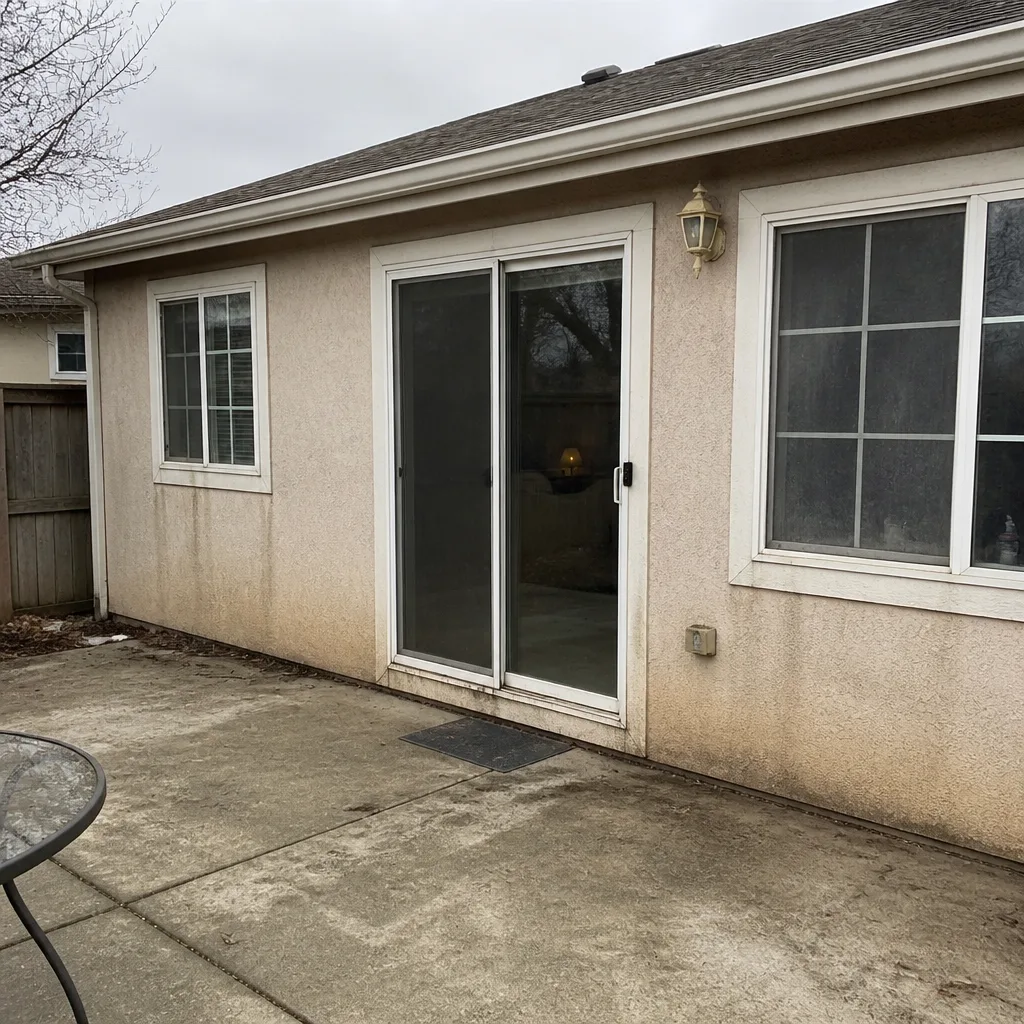 Before
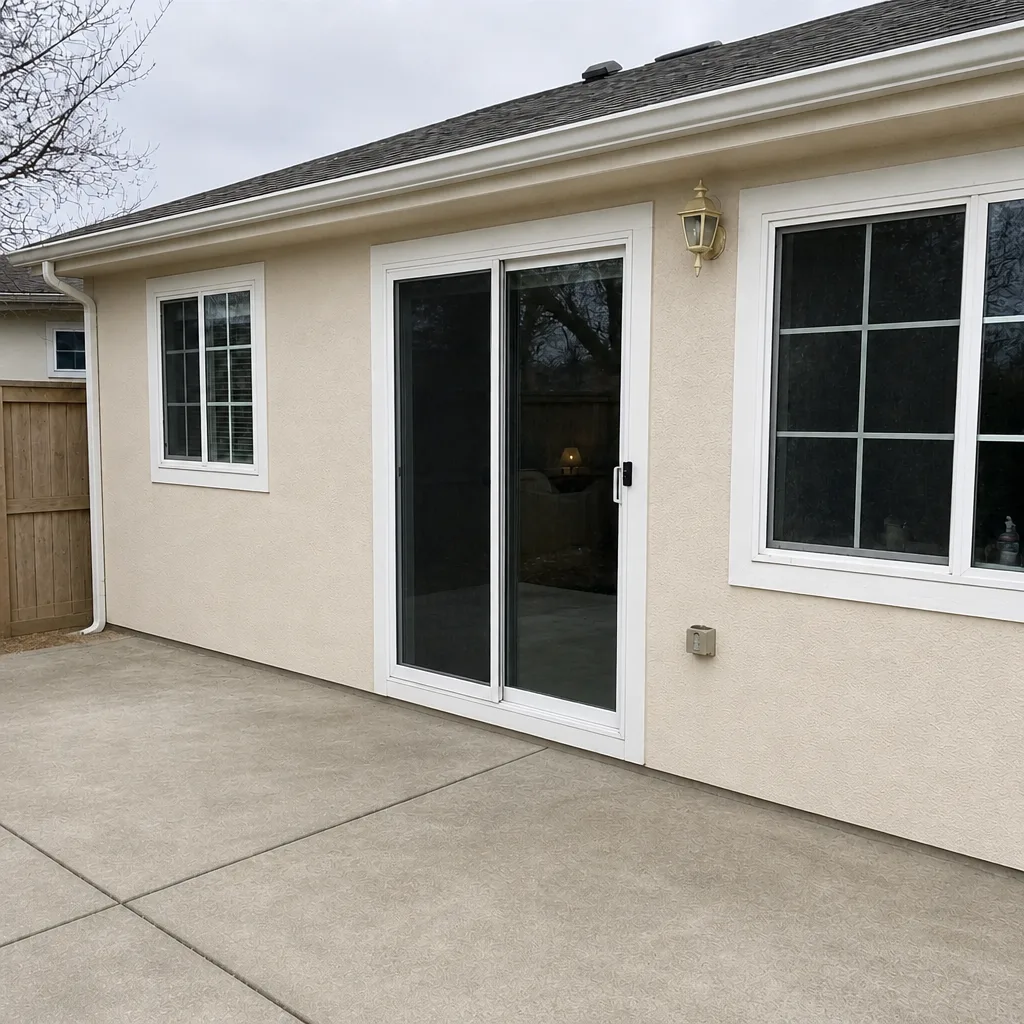 After
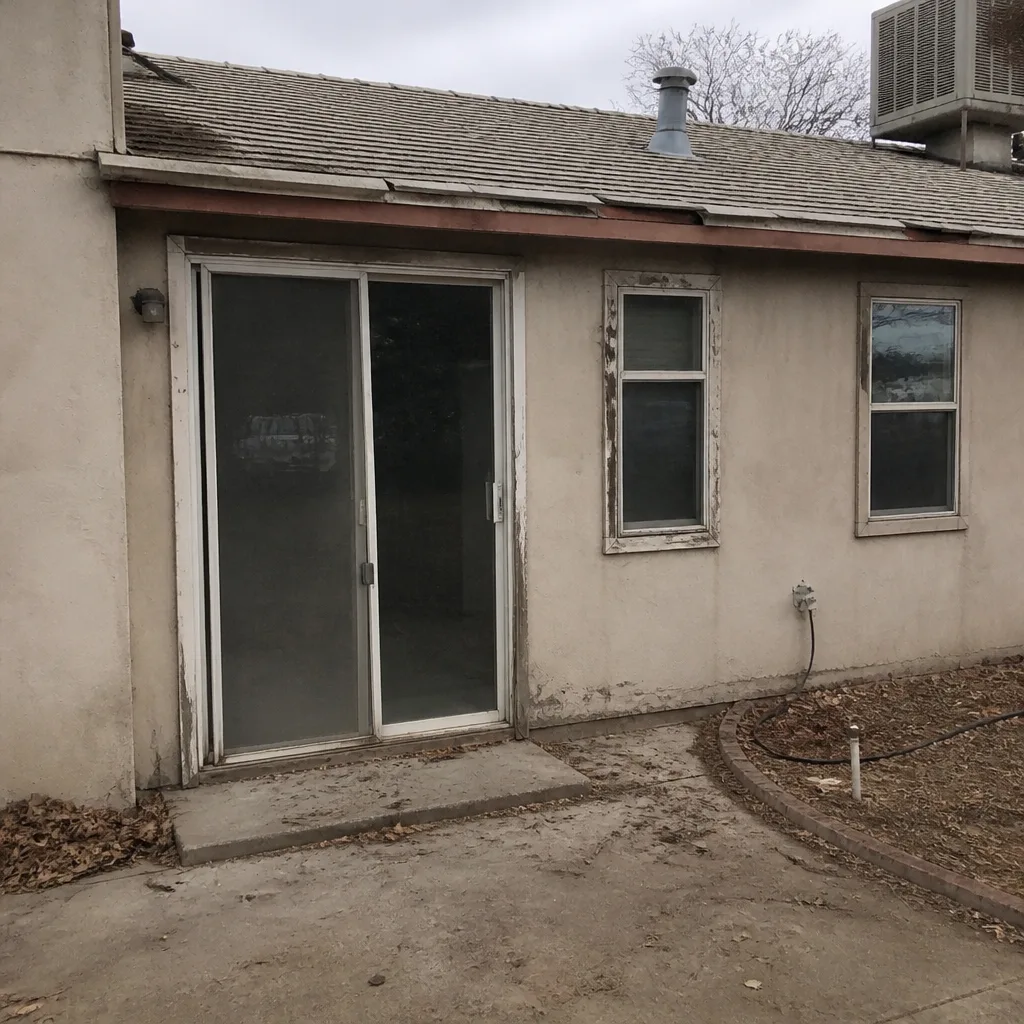 Before
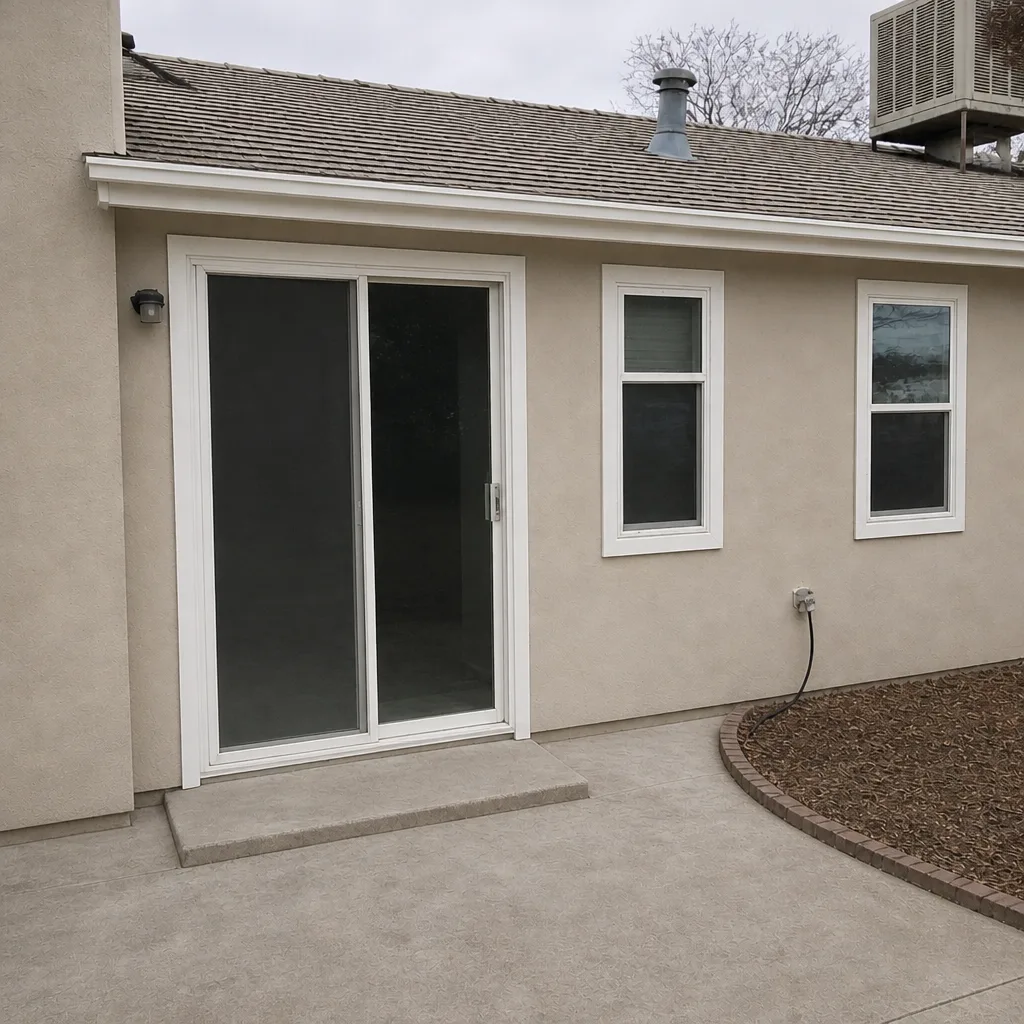 After
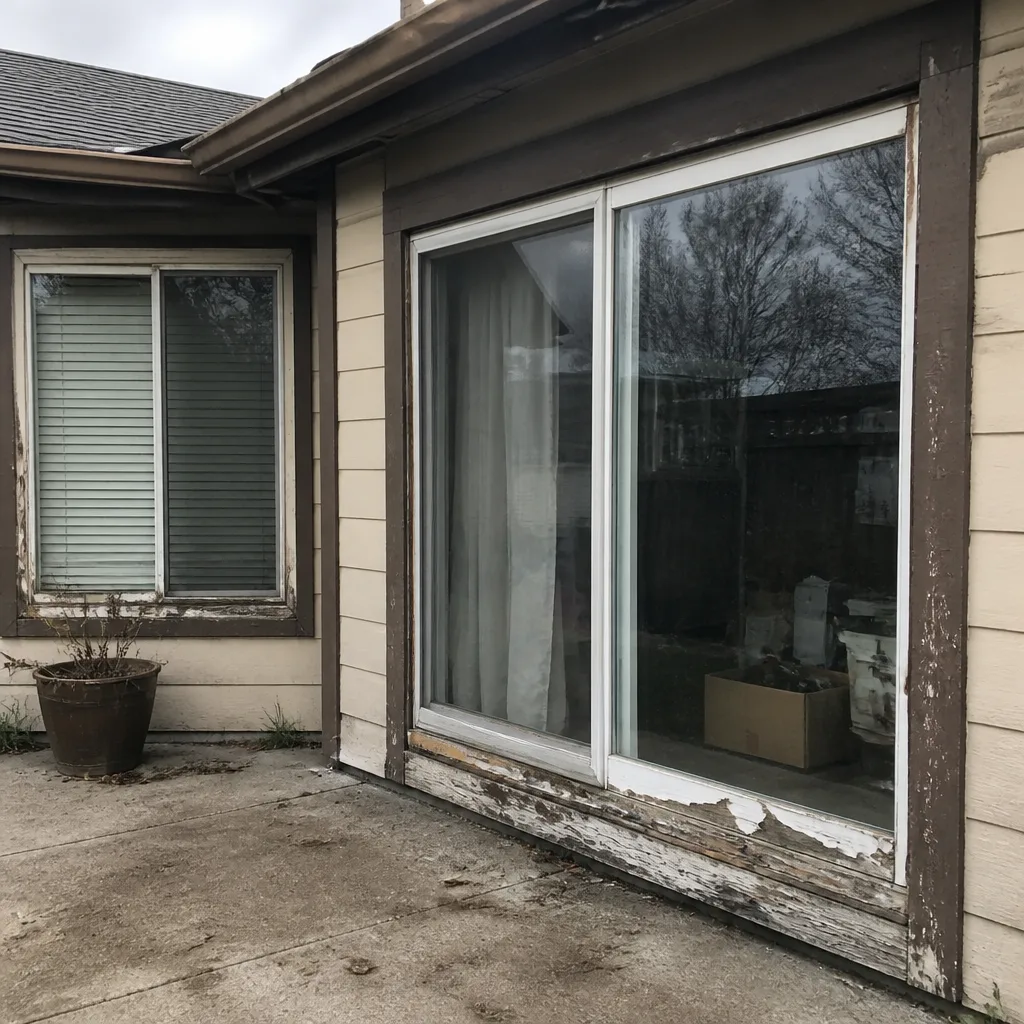 Before
 After
When to Call a Professional
Call a licensed professional when the job touches the structural opening, the flashing, the foam, or the exterior weather seal; when it involves a full window or door replacement in Paradise; or when a warranty is on the line and certified installation is required. Call when you see fogging in insulated glass, a door that won’t latch after a hot summer, or moisture staining near a frame, because those signal failures that DIY caulk won’t solve. And call if you’re honestly unsure which side of the line your project sits on, because the cost of a failed inspection or a voided warranty claim is steep. Winslow Windows & Doors Paradise offers free estimates in Paradise. Call (833) 958-8388 to schedule yours.
Frequently Asked Questions
Nevada requires a licensed contractor for window replacements that involve structural openings, and many Paradise replacements still require a permit even when the opening size is unchanged. A like-for-like swap in an unchanged opening may fall in a grayer area, so confirm with the building department before starting. A free estimate is the easiest way to get clarity on your specific project. Call (833) 958-8388 for an exact scope.
Yes, in most cases. Virtually every manufacturer warranty for elite products like PGT, CGI, and Therma-Tru requires certified installation, so a DIY install can void the product warranty regardless of workmanship quality. Confirm the terms on your specific product before you decide. Call (833) 958-8388 for an exact quote on certified installation.
Yes, several tasks are reasonable for a careful homeowner. Hardware replacement, interior-only weatherstrip swaps, caulk touch-ups that don’t affect the thermal seal, and routine cleaning and lubrication are all DIY-sensible. Avoid anything touching the rough opening, flashing, foam, or the exterior weather seal.
An unpermitted install can surface as a defect during a resale inspection, potentially stalling a closing or forcing a price concession. It can also fail inspection if you try to permit it retroactively, and correction costs often exceed the original savings. Call (833) 958-8388 to schedule a permitted install and avoid the risk.
Pricing depends on the product line, opening size, and whether the rough opening changes, so there’s no single number. A written, itemized estimate is the only honest way to quote it, and it’s free. Call (833) 958-8388 for your free estimate and an upfront price with no change orders.
Most single-window replacements are completed in a day or less once the product is on-site, while a full-home project is scheduled across multiple days. The permit and inspection sequence adds a step but keeps the work verifiable. Call (833) 958-8388 to schedule your estimate and get a timeline for your project.
The Bottom Line
The Paradise DIY-versus-pro question isn’t about skill level. It’s about which tasks carry consequences the desert and the state won’t forgive: structural openings that need a license, seals that fail in extreme heat and low humidity, and manufacturer warranties that void on uncertified installs. DIY makes sense for hardware, interior weatherstrip, and caulk touch-ups. Full replacements, flashing, foam, and exterior seals belong with a licensed pro who pulls and passes permits. The savings from DIY are real. So are the losses, and they tend to arrive together. Call (833) 958-8388 for a free estimate from Winslow Windows & Doors Paradise. A neighbor you can call at 2 a.m., and someone will actually answer.
Written by the team at Winslow Windows & Doors Paradise.