
Last updated November 18, 2026
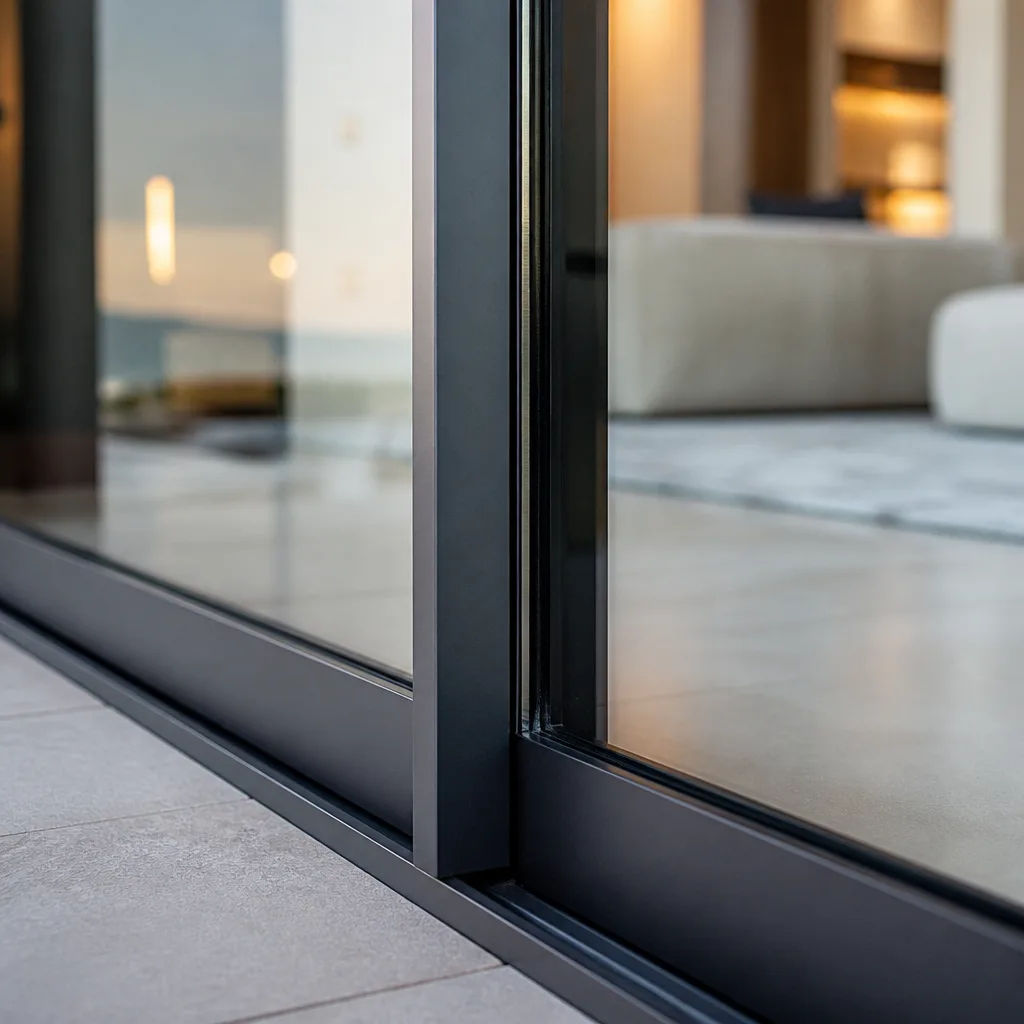
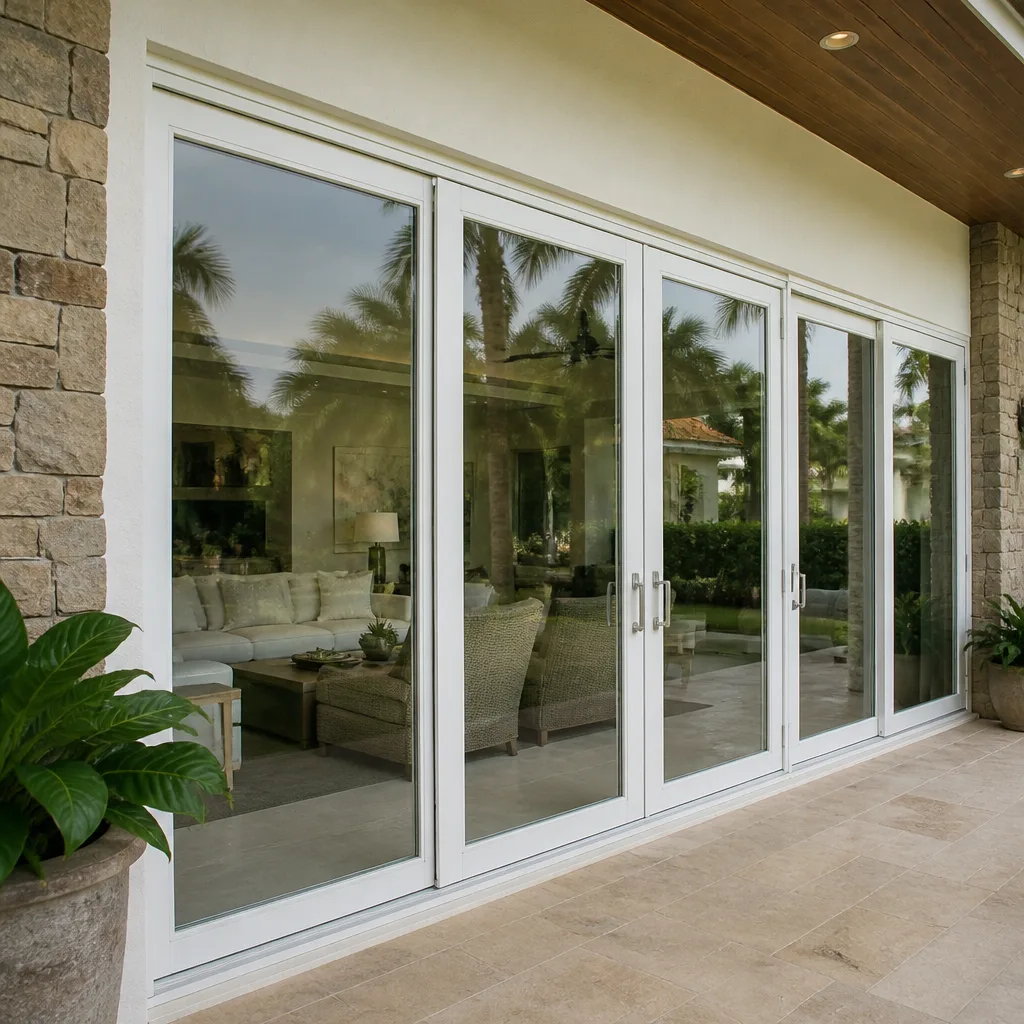
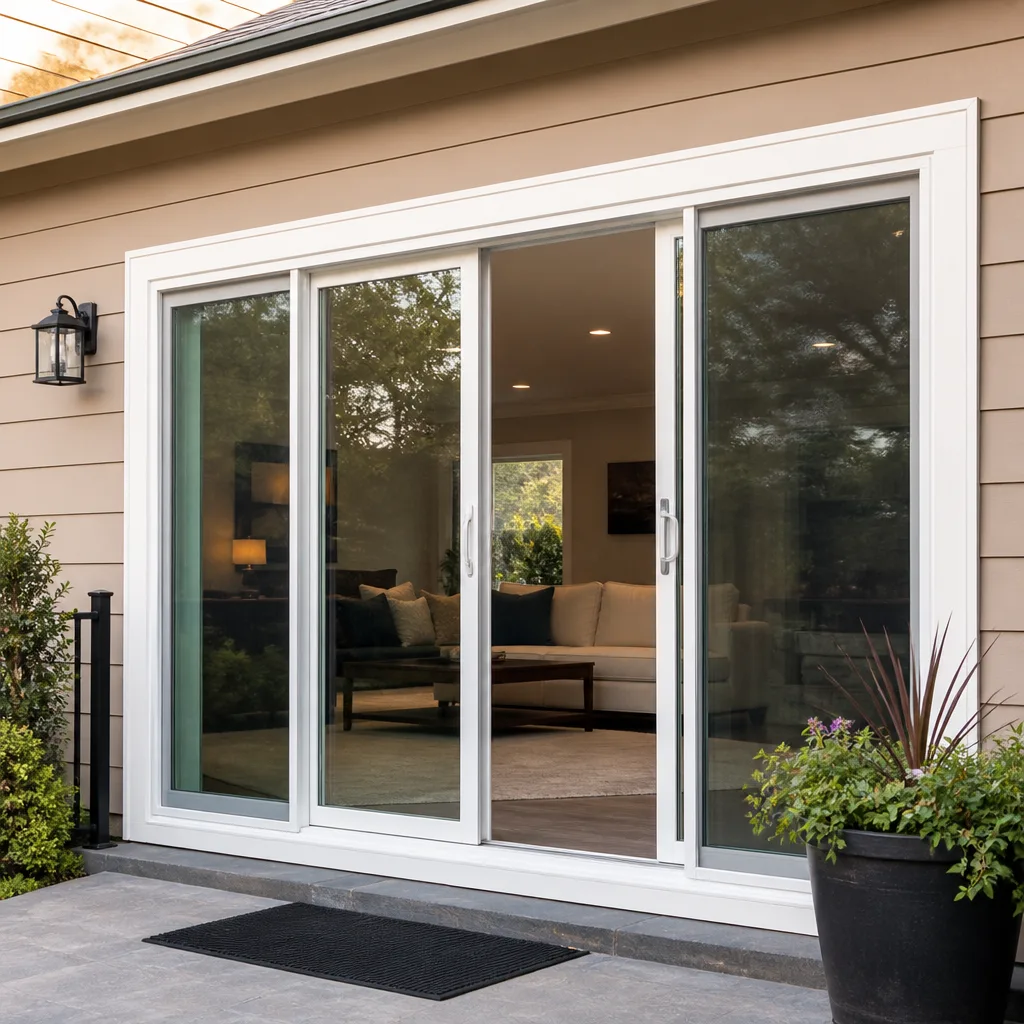 Sliding glass doors
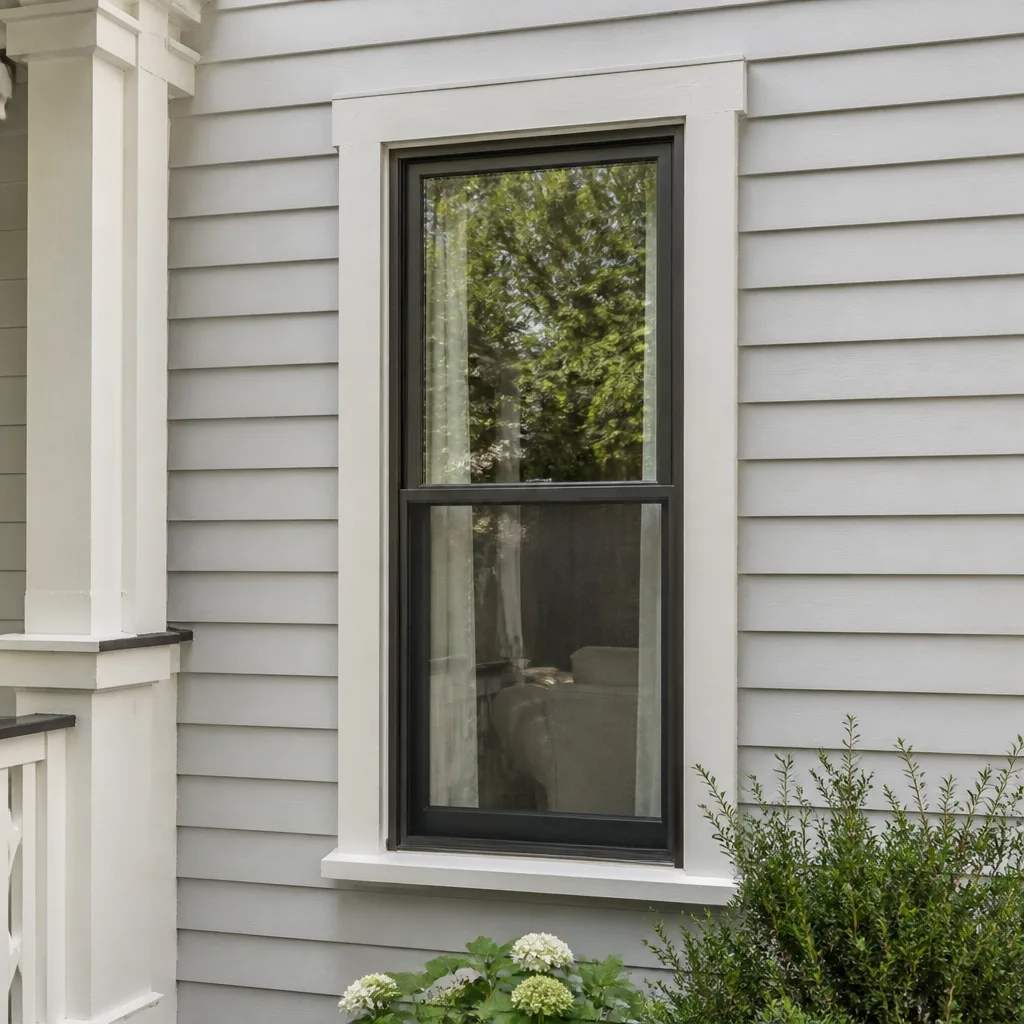 Single hung
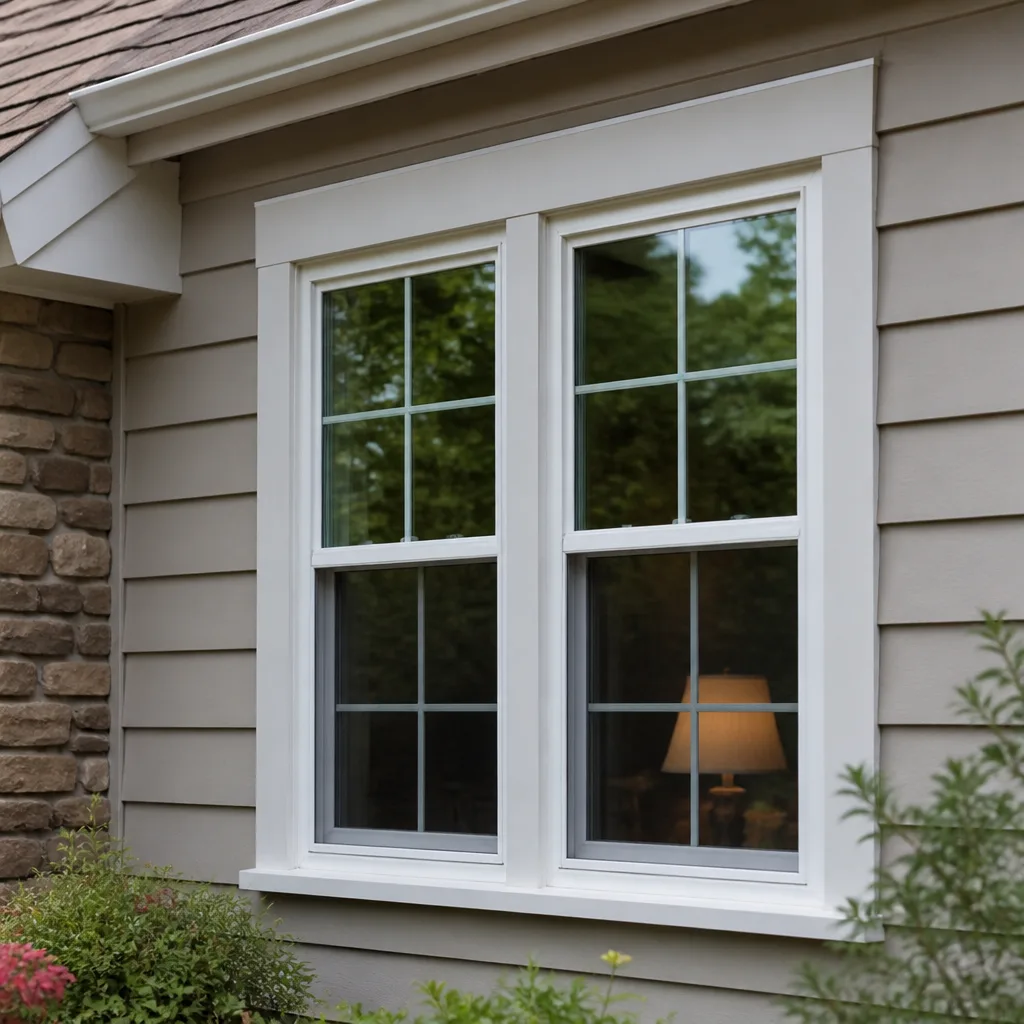 Double hung
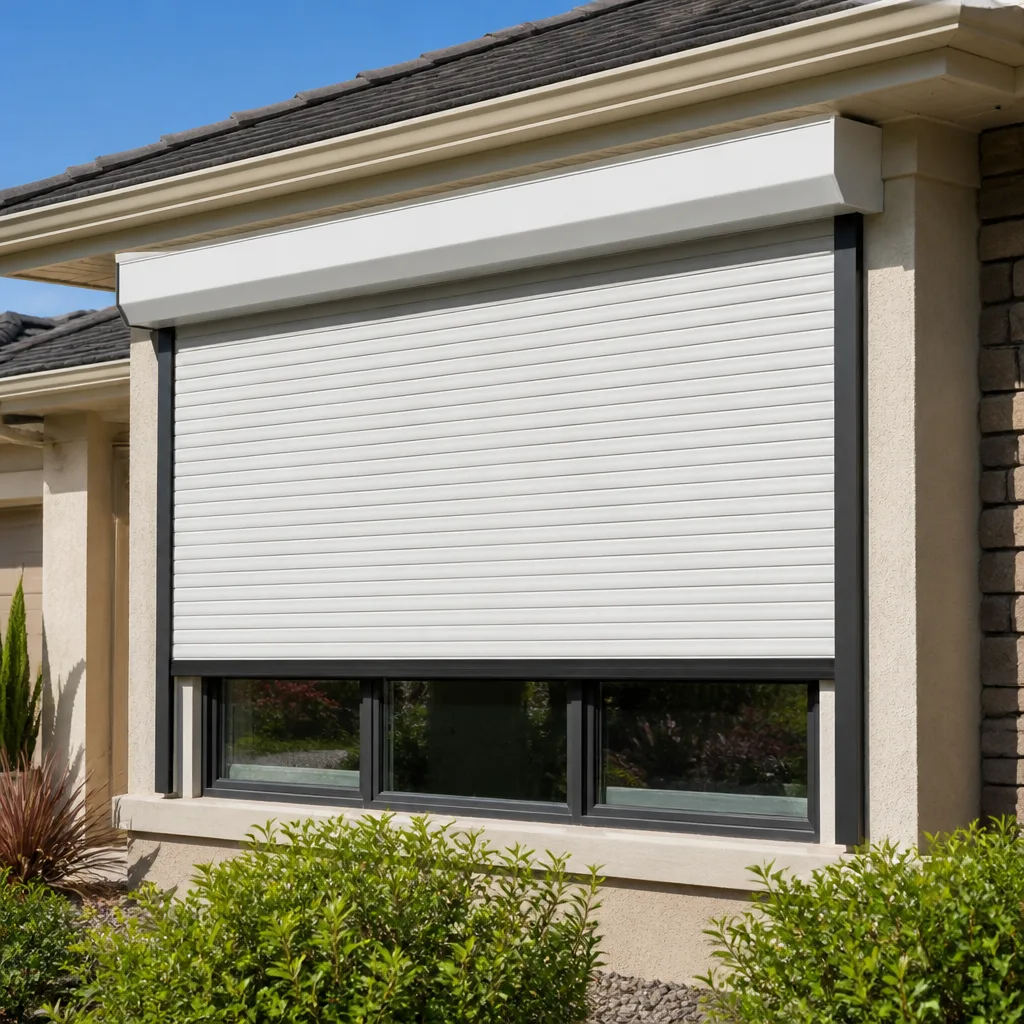 Horizontal roller
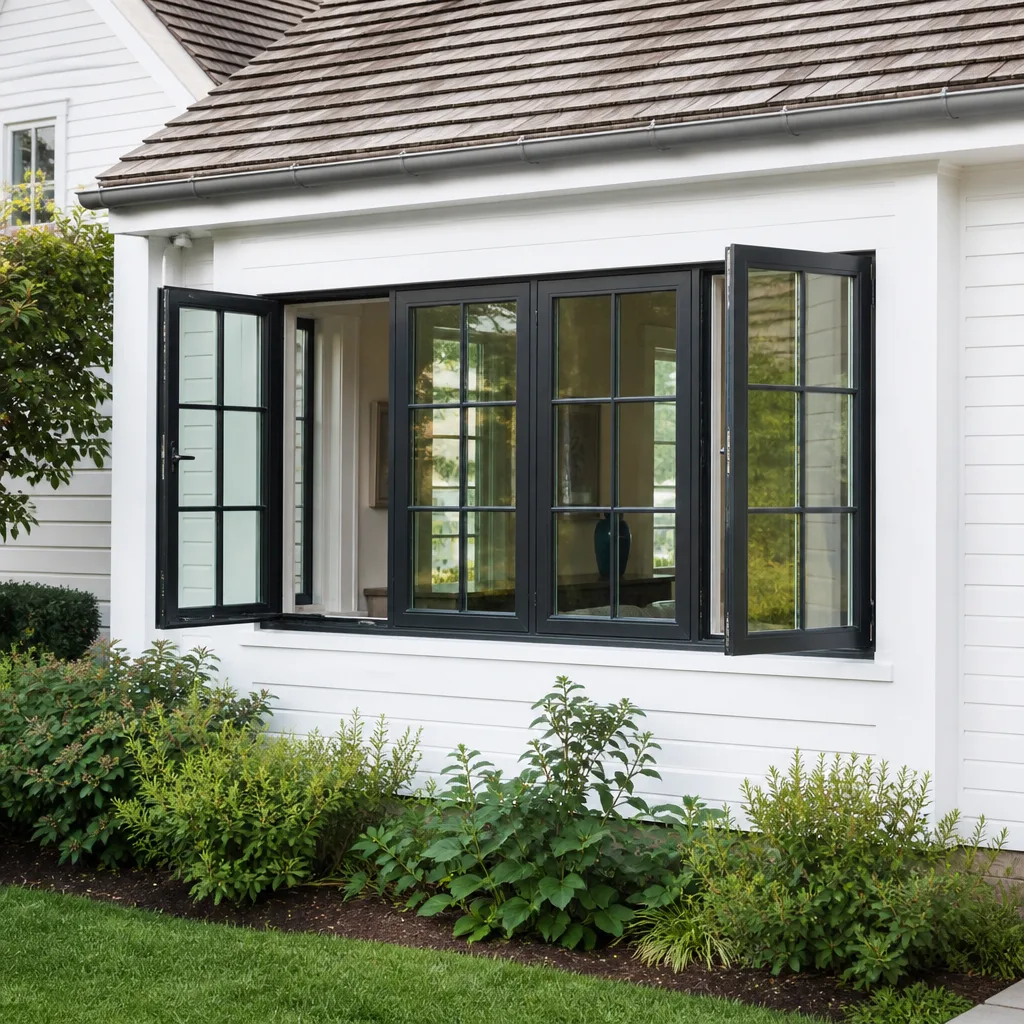 Casement
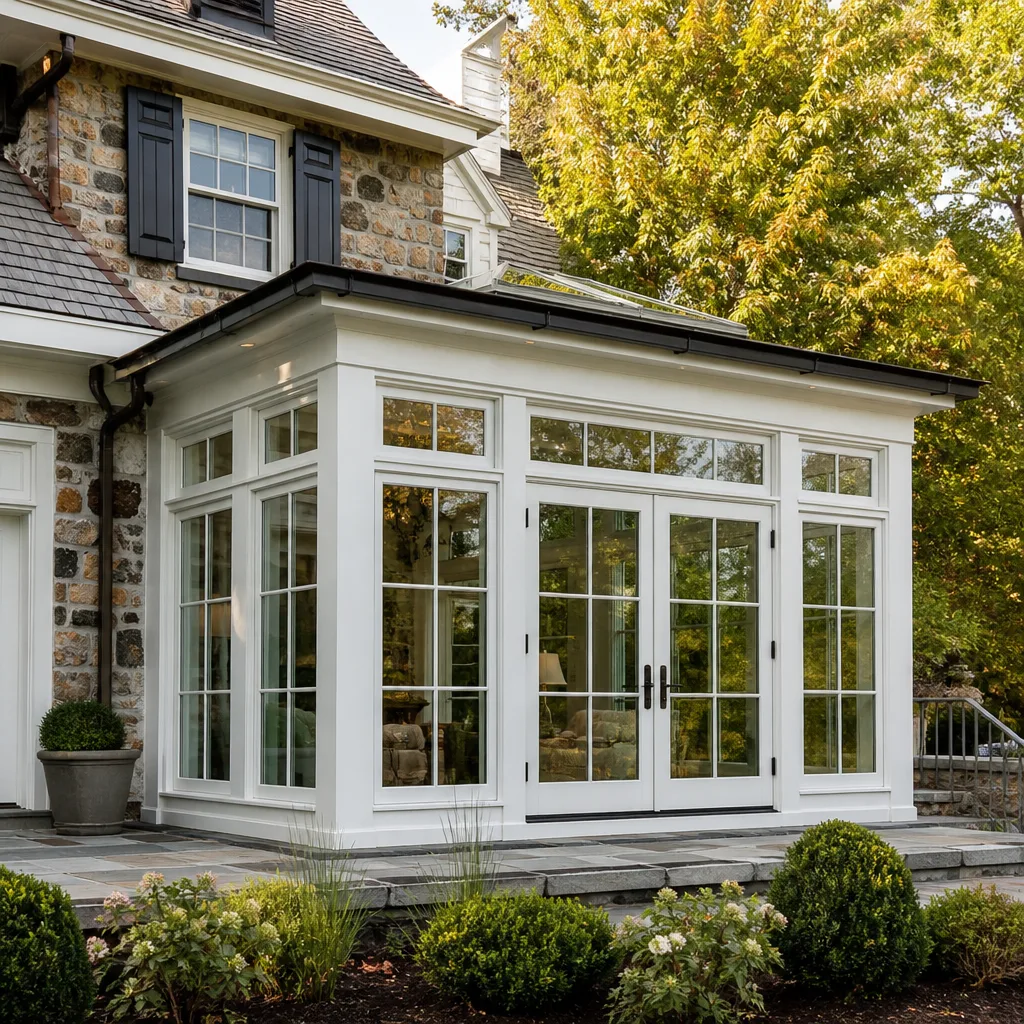
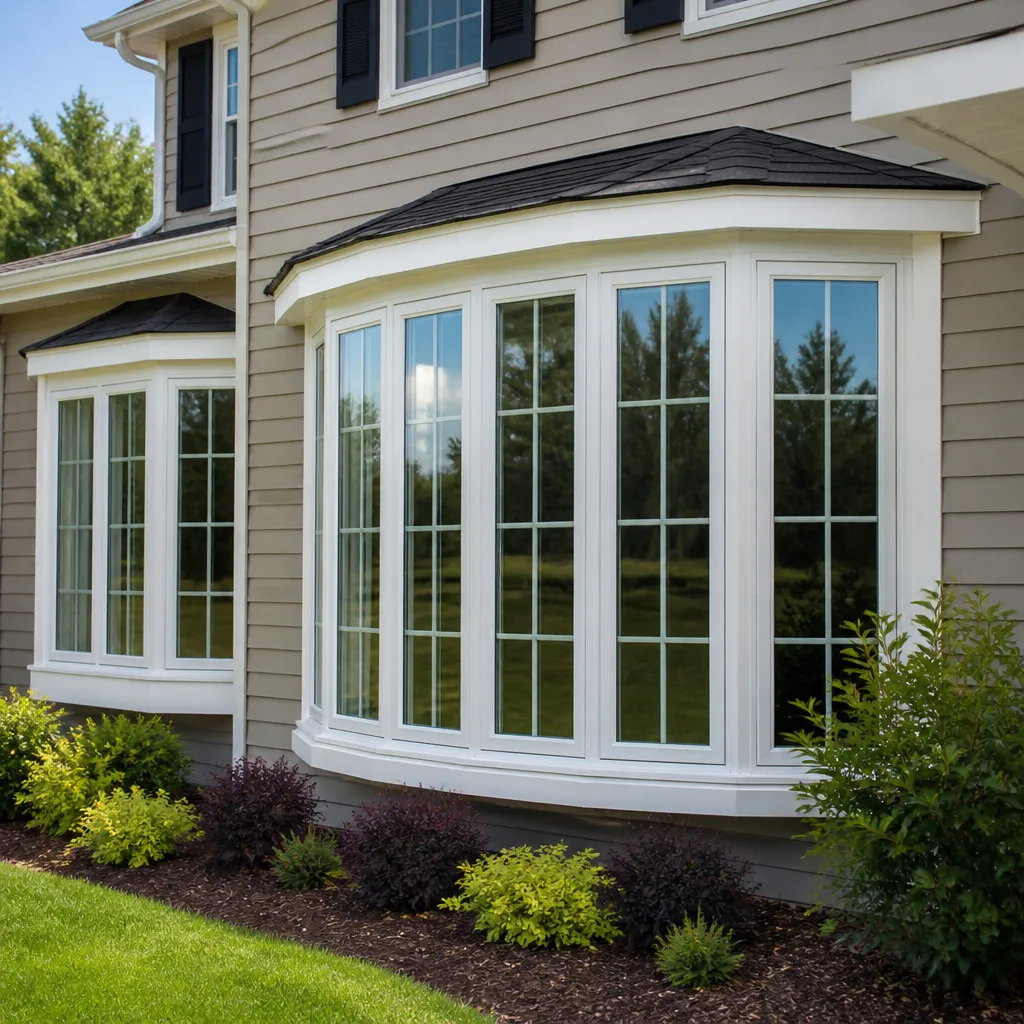 Bay & bow
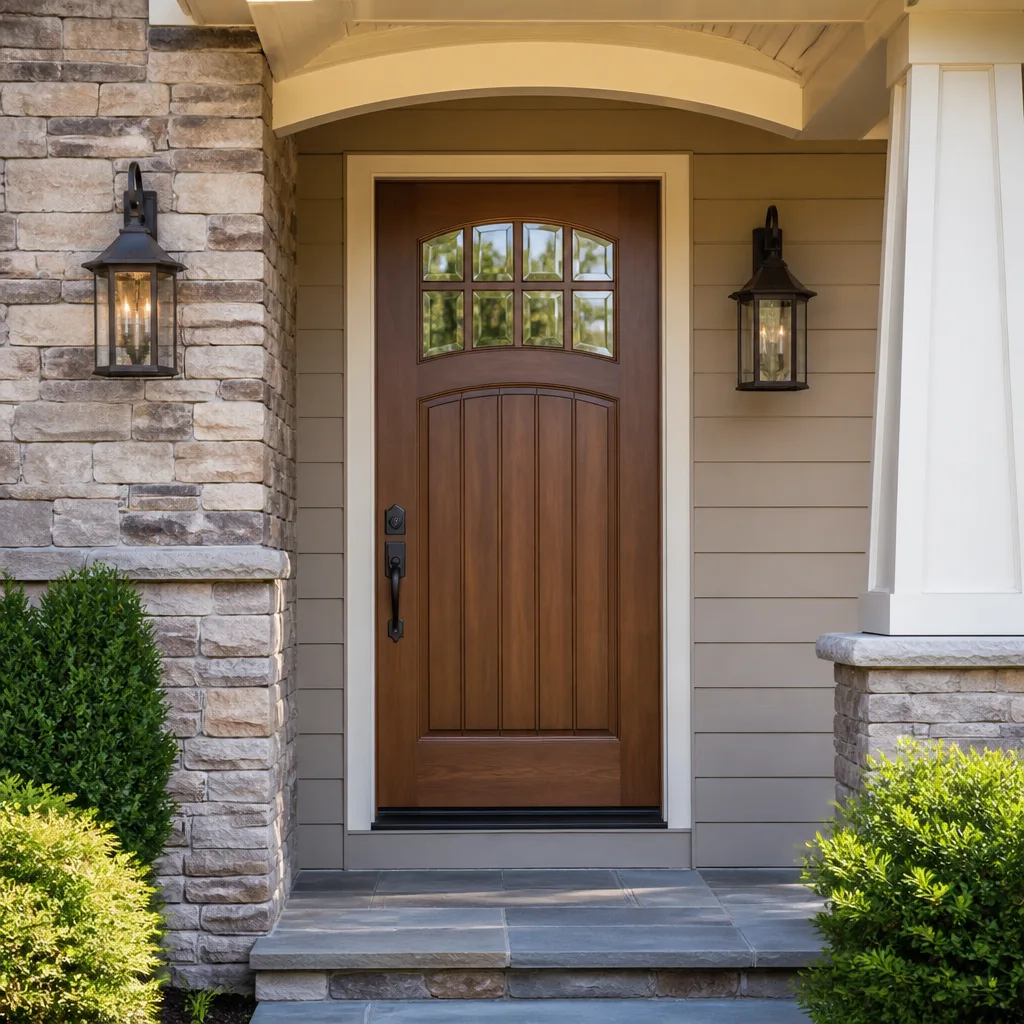 Entry doors
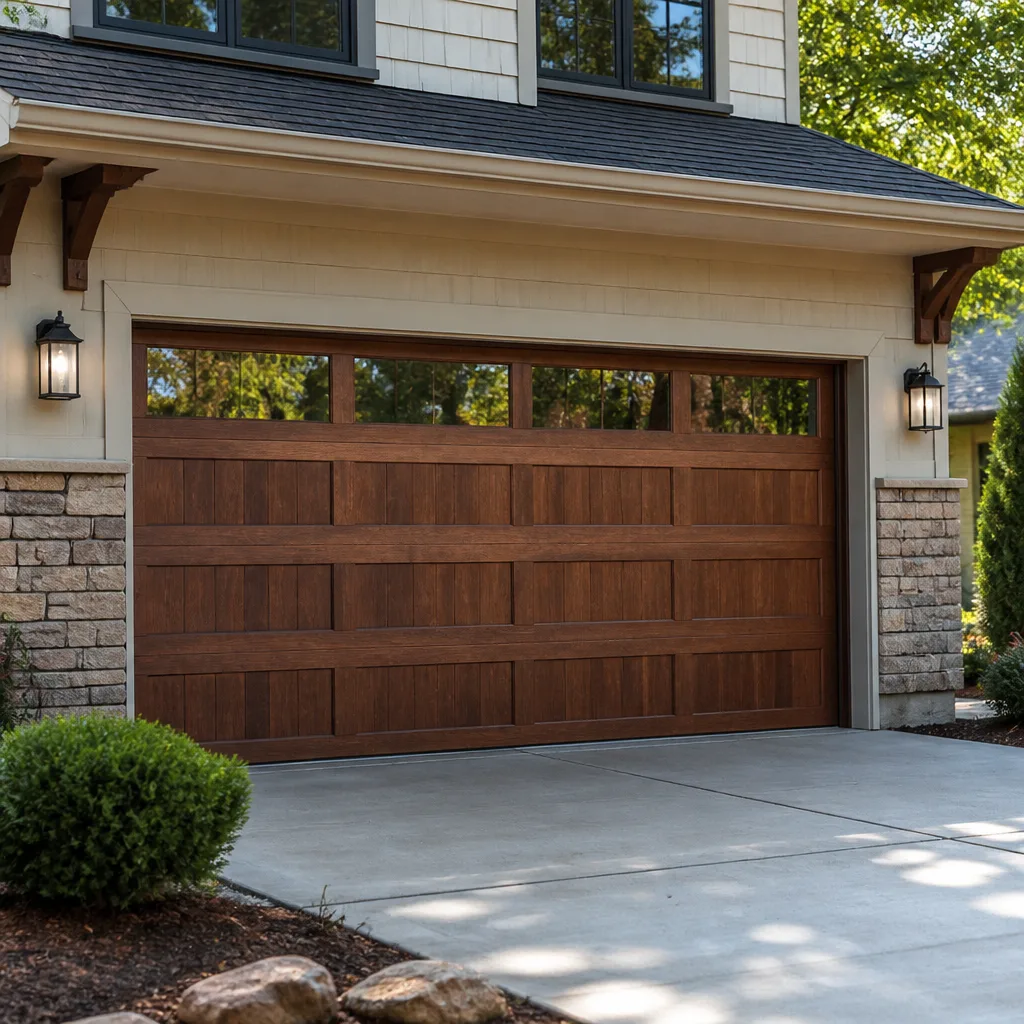 Impact garage doors
 PGT
 CGI
Free in-home measure and quote - PGT, CGI and CWS impact lines compared on your actual openings, style by style
Get your free estimateThe Complete Guide to Windows & Doors in Paradise
Most Paradise homeowners don’t realize how much money is leaking out of their house until the July power bill shows up. It’s not the air conditioner’s fault. In many homes along the eastern edge of the valley, up to 30% of the cooling energy you pay for escapes straight through windows that passed inspection but were never spec’d for Mojave-edge heat. That’s a gap no box-store sales sheet mentions.
This guide closes it. You’ll learn how the local climate zone changes the glass and frame you should actually buy, why desert air ages seals differently than coastal air, how windows, doors, and roofing work as one thermal envelope, and what brand specs to verify before you sign. We’ll also walk through the Clark County permit reality that trips up national chains. Read it once, keep it handy, and you’ll buy smarter than most people in Paradise, NV.
Quick Answer
For windows and doors in Paradise, spec for IECC Climate Zone 3B: look for a Solar Heat Gain Coefficient (SHGC) of roughly 0.25 or lower on west- and south-facing glass, plus a U-factor under 0.35, even though local code may allow higher numbers. Pair that with frames built for zero-humidity cycling, preferably vinyl, aluminum with a thermal break, or fiberglass. And buy the whole envelope (windows, exterior doors, roofing) as one system, not three separate projects. Windows that merely pass inspection often fall short of what this climate actually demands.
Styles & brands we work with
- Single hung
- Double hung
- Horizontal roller
- Casement
- Bay & bow
- Sliding glass doors
- Entry doors
- Impact garage doors
- PGT
- CGI
Table of Contents
- Why Paradise Climate Zone 3B Changes What You Should Buy
- SHGC, U-Factor, and the Numbers That Actually Matter Here
- How Low Humidity Kills Window Seals Differently
- Frame Materials That Hold Up in Desert Conditions
- Windows, Doors, and Roofing as One Thermal Envelope
- Brand Matchmaking: What to Verify on the Label
- The Clark County Permit Reality
- Questions to Ask Before You Sign
Why Paradise Climate Zone 3B Changes What You Should Buy
Paradise sits in IECC Climate Zone 3B, the “warm-dry” band. If you’ve shopped windows online, you’ve probably seen specs written for Zone 2 (hot-humid, think Houston) or Zone 5 (cold, think Chicago). Neither describes what your glass goes through here. In Paradise, a west-facing window can hit surface temperatures well above 140°F on an August afternoon, then cool to 70°F after sundown. That daily swing, repeated thousands of times over a decade, is what stresses glass units and frame joints.
Why the mismatch matters:
- Cooling dominates. We run air conditioning far more hours than heat. Your window spec should be tuned for rejecting solar heat, not retaining it.
- Ultraviolet load is brutal. Our clear skies mean high UV exposure year-round. Interior furnishings, hardwood, and carpet fade fast through low-quality glass.
- Wind events are real. Parts of Paradise see periodic high-wind and dust-storm conditions. Glass, seals, and fasteners need to handle pressure spikes, not just steady state.
- Dry air cycling. Humidity here commonly drops into the single digits. Materials that rely on ambient moisture to stay flexible don’t fare well.
In our experience, homeowners who buy windows tuned for a national average end up replacing failed seals or fighting heat gain a few years earlier than they should. The fix isn’t exotic: it’s buying the correct Zone 3B spec from the start. That single decision is the difference between windows that last and windows that merely pass.
SHGC, U-Factor, and the Numbers That Actually Matter Here
Solar Heat Gain Coefficient (SHGC) measures how much of the sun’s heat passes through your glass. U-factor measures how quickly heat moves through the whole assembly. In Paradise, SHGC is your biggest lever. Code may let you go higher, but the practical target is lower.
Here’s the framework we’d hand a neighbor:
- West- and south-facing glass: SHGC of 0.25 or lower. These faces take the worst afternoon load in Paradise and deserve the tightest spec.
- North- and east-facing glass: SHGC of 0.30-0.40 is a reasonable balance if you want to keep some natural warmth and daylight.
- U-factor: Under 0.35 across the board. Cooling efficiency depends on the whole unit, not just the coating.
- Visible Transmittance (VT): Higher is clearer. Low-SHGC glass can still be bright; ask for the VT number so you don’t end up with cave-like rooms.
- Low-E coating: Choose a coating rated for hot climates (often called “solar control” Low-E). Cold-climate Low-E does the wrong job here.
One more thing homeowners in Paradise rarely hear: the shade of the coating matters. A slightly tinted solar-control glass on the worst western exposures can knock meaningful heat off the load, and if the glass is impact-rated it’s doing structural duty too. If you’re weighing the tradeoffs, our guide to impact windows in Sandy Valley covers how impact glass and solar-control coatings stack up together.
How Low Humidity Kills Window Seals Differently
Window failure is usually sold as “the glass went bad.” In practice, it’s the seal around the insulated glass unit (IGU) that gives up first. On the coast, seals fail mostly from salt air and constant damp. In Paradise, the culprit is different: extreme dry cycling and heat.
The sequence looks like this:
- Daily expansion and contraction. The edge sealant, spacer, and glass expand at slightly different rates as temperatures swing. Over time, tiny gaps open.
- Moisture intrusion at the failure point. Even in a desert, condensation from indoor cooling and monsoon-season storms finds those gaps.
- Desiccant saturation. The drying beads inside the IGU absorb all they can. Once saturated, fog and haze appear between the panes.
- Visible failure. You see the fog, streaks, or a whitish film that won’t clean off. That’s a sealed unit that needs replacing, not polishing.
Here’s the framing that surprises people: low humidity doesn’t prevent seal failure, it accelerates a specific kind of it. The dry air pulls moisture through any weakness in the perimeter, and the heat bakes the whole assembly. Cheap spacers and thin sealant layers fail fastest. When you’re pricing replacements, ask what spacer system and sealant the unit uses. It’s a detail the sales sheet often skips, and it’s the one that decides whether you’re back here in eight years or not.
Frame Materials That Hold Up in Desert Conditions
Frames take the same beating as glass, just in a different way. The daily heat cycle, dust abrasion, and UV exposure all test them. Here’s how the common options hold up specifically in Paradise:
- Vinyl (uPVC): The workhorse for Zone 3B. It doesn’t conduct heat, resists UV when the formulation includes stabilizers, and is low maintenance. Cheap vinyl can chalk and yellow; look for a quality brand with a proven reputation in desert markets.
- Aluminum with a thermal break: Strong, slim sightlines, and excellent for impact glass because it holds up under pressure. The thermal break is non-negotiable; solid aluminum wicks heat straight into the house.
- Fiberglass: Expands and contracts at nearly the same rate as glass, which reduces stress on the seal. It’s a good fit for the wide temperature swings here, though it costs more.
- Wood: Beautiful, but high maintenance in low humidity. Wood dries, checks, and needs regular sealing. It can work with the right finish system, but it’s not the easiest path in Paradise.
- Composite: Engineered to mimic wood with better moisture stability. A reasonable middle ground if you want the wood look without the upkeep.
For exterior doors, the same logic applies. A steel door with a thermal core and a proper weatherstrip holds up far better than a hollow unit. If you’re comparing options for a replacement, our window replacement in Sandy Valley overview walks through which materials and glass packages tend to make the most sense on this side of the valley.
Windows, Doors, and Roofing as One Thermal Envelope
The biggest mental shift we try to give Paradise homeowners: your windows, exterior doors, and roof are not three separate purchases. They’re one envelope. Heat moves through the weakest point. If you upgrade the windows and leave an uninsulated attic floor and a poorly sealed door, the savings get eaten.
Here’s how the pieces interact:
- Windows and doors are the direct solar and conductive load. They set how much heat enters the living space.
- Roofing is the biggest surface area exposed to the sun. A light-colored or reflective shingle, tile, or metal roof bounces solar radiation instead of absorbing it, which reduces attic temperatures and takes pressure off the windows below.
- Attic insulation and air sealing are what actually keep the conditioned air where you want it. Windows can’t compensate for a leaky ceiling, and a great roof can’t compensate for single-pane glass.
- Door thresholds and weatherstripping are where most homeowners unknowingly lose the most. Gaps under doors and worn sweeps are quiet energy leaks.
When we quote a job, we look at all three. A roof that’s nearing the end of its life changes the window calculation, because you don’t want to install premium glass and then re-roof in two years and stress every flashing detail. Sequencing matters: envelope work done together costs less and performs better than work done piecemeal. Roof repair and roofing are part of the same envelope conversation for that reason, and it’s why we handle them alongside windows and doors rather than farming one piece to a separate crew.
Brand Matchmaking: What to Verify on the Label
Most window shopping advice comes down to “buy a good brand.” That’s not specific enough for Paradise. What you actually need is a known spec that holds up to high-stress environments, verified on the label before the purchase, not after.
Two brands worth understanding for this climate:
- PGT manufactures impact-rated products engineered for hurricane and high-wind zones. That engineering is a good match for the pressure events and desert heat of Paradise. Verify the label shows an impact rating (often DP or AAMA design pressure) and a solar-control coating.
- CGI makes aluminum and vinyl products with strong thermal-break options. Their frames suit the wide temperature swings here, and their impact lines are worth comparing directly against PGT if wind load is a priority.
Also worth checking: CWS offers a solid mid-market option for homeowners who want impact performance without the top-end price, and ViewLux is worth a look if clean sightlines and modern styling are priorities. We’re an authorized installer for eight brands in total, and we’d rather help you match the spec to your exposure than push one brand for everyone.
What to verify on any label before you sign:
- NFRC label with SHGC, U-factor, and VT. Don’t accept “our glass is efficient” without the numbers.
- Design pressure (DP) rating for high-wind performance. Higher is stronger. Ask what your exposure needs.
- Impact rating if you’re in a wind-exposed part of Paradise or want the security benefit.
- Frame thermal break if aluminum. Get it confirmed in writing.
- Warranty on the glass seal separate from the frame warranty.
- Installation details: flashing, sealing, and expansion allowance. The best window fails from bad installation.
If a brand or sales person can’t produce these on request, walk. When you’re ready to compare products for a full replacement, our window installation in Sandy Valley page shows how we evaluate installation details alongside specs.
The Clark County Permit Reality
In Clark County, window and door replacement generally requires a permit when you’re changing the size of an opening or replacing a substantial portion of the exterior. Roofing work also has permit and inspection requirements. The catch: the specifics depend on the scope, so it pays to know what’s required before work starts.
Here’s where owner-operated versus national chains diverge, and it’s not a small difference:
- Owner-operated contractors typically pull the permit themselves or through a local team that knows the county’s process. The person accountable for the job also handles the paperwork. That means fewer surprises at inspection time.
- National chains often outsource permitting to a third party or leave it to the homeowner. When something goes wrong, you get bounced between departments and the clock resets.
What to ask before signing:
- Who pulls the permit? Get a name and confirmation in writing.
- What inspections are required? For windows, doors, and roofing it varies by scope. Ask.
- Is the permit cost included? Ask for it as a line item, not a vague allowance.
- What’s the sequence? Which work happens first, and how do inspections line up so you’re not left waiting?
A contractor who can’t answer these clearly on the first call is telling you something. We handle permitting in Paradise as part of the job, and the inspection record is part of what you’re buying. If paperwork is the part of this process that worries you most, our Winslow Windows & Doors Paradise home page shows how we handle the whole sequence.
Questions to Ask Before You Sign
Homeowners who’ve been burned before know to ask questions. What most don’t know is which questions actually change the outcome. Here are the highest-value ones, with what a good answer sounds like.
- “Can you show me the NFRC label numbers?” Good answer: yes, here they are. Bad answer: “it’s energy efficient.”
- “What’s the SHGC for each exposure?” Good answer: lower for west and south, balanced for north and east. Bad answer: one number for every window.
- “Who installs it, and who do I call if something goes wrong?” Good answer: the same company, with a live person on the phone. Bad answer: a ticket number or a call center.
- “What’s the seal warranty, and is it separate from the frame?” Good answer: clear, in writing, both. Bad answer: “fully warrantied.”
- “Will the price change once work starts?” Good answer: upfront pricing with no change orders unless the scope changes at your request. Bad answer: a generous-looking allowance that grows.
- “Who pulls the permit?” Good answer: us, and here’s the cost and sequence. Bad answer: “you probably don’t need one.”
A company that can’t answer these individually, for your home and your exposure, is selling you a national average. Getting a second opinion on a written estimate costs nothing and tells you whether the first quote was built for Paradise. That’s one of the standing offers we extend to every homeowner who calls.
Common Mistakes to Avoid
- Buying by U-factor alone. In Paradise’s Zone 3B climate, SHGC matters more than U-factor for most exposures. Shoppers who optimize only cooling-loss numbers end up with glass that lets in the afternoon sun.
- Replacing windows without checking the roof. If your roof is within a few years of replacement, sequencing matters. Installing premium windows before re-roofing risks flashing rework and added cost. Look at the envelope first, then buy.
- Signing a quote with an allowance instead of a line-item price. “Permit allowance” and “misc. allowance” are where surprise costs hide. Ask for fixed, itemized pricing before you sign anything.
- Ignoring door weatherstripping. A beautiful new door with worn sweeps and a sagging threshold is an energy leak in disguise. Have it spec’d and replaced as part of the door job.
- Assuming higher SHGC is fine because it passes inspection. Code is a floor, not a target. For west-facing glass in Paradise, 0.25 will outperform 0.40 every summer.
- Letting a national chain hand off the permit. If you can’t get a straight answer on who pulls it, the paperwork can land on you, and an inspection failure resets the clock mid-job.
- Skipping the second-opinion step. A free comparison on a written estimate takes 20 minutes and often reveals a spec gap you can’t see on your own.
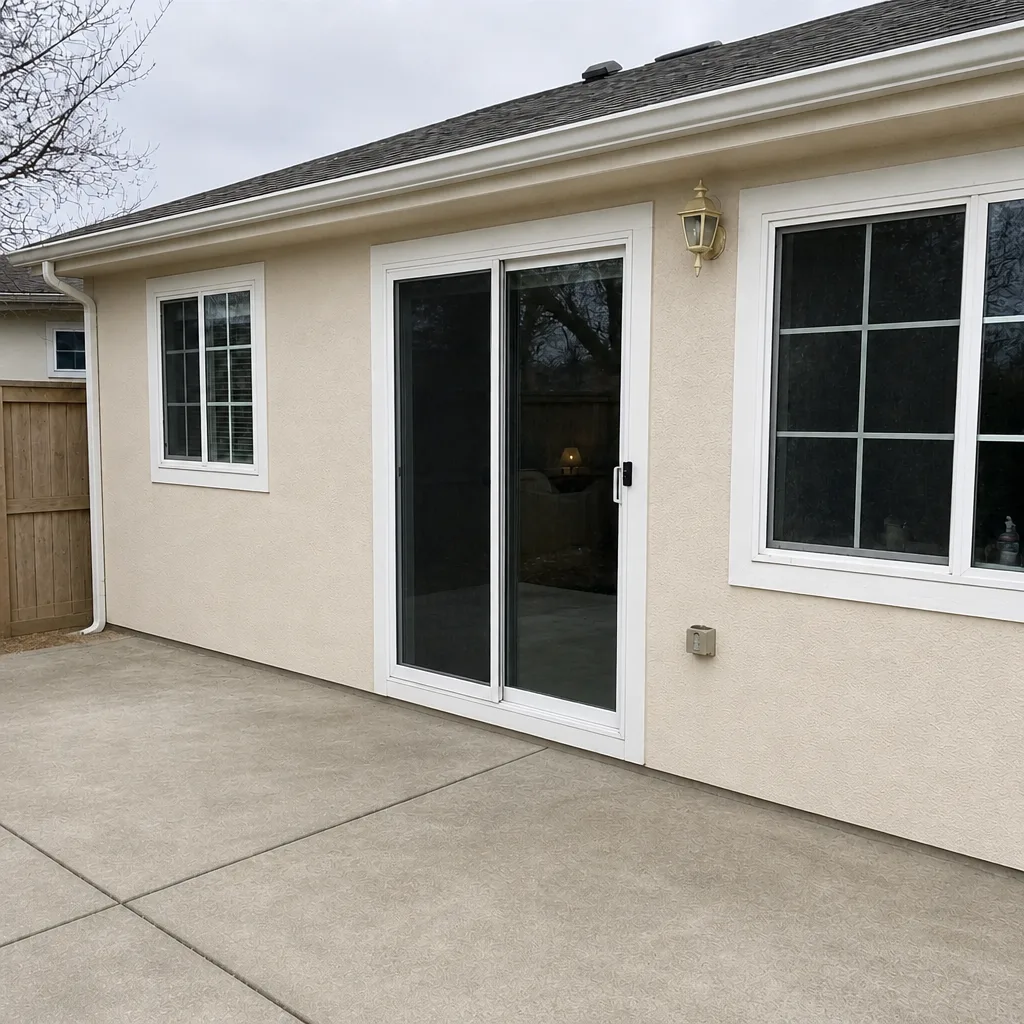
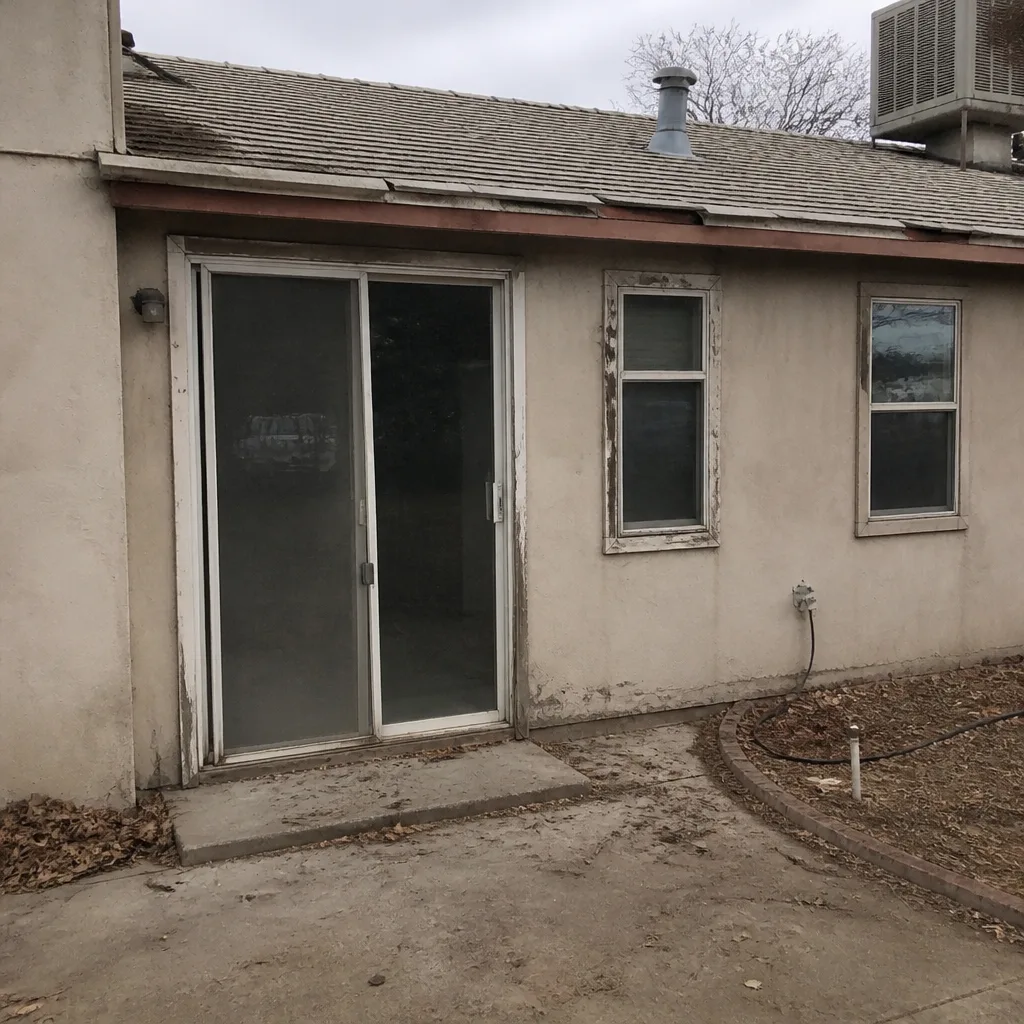
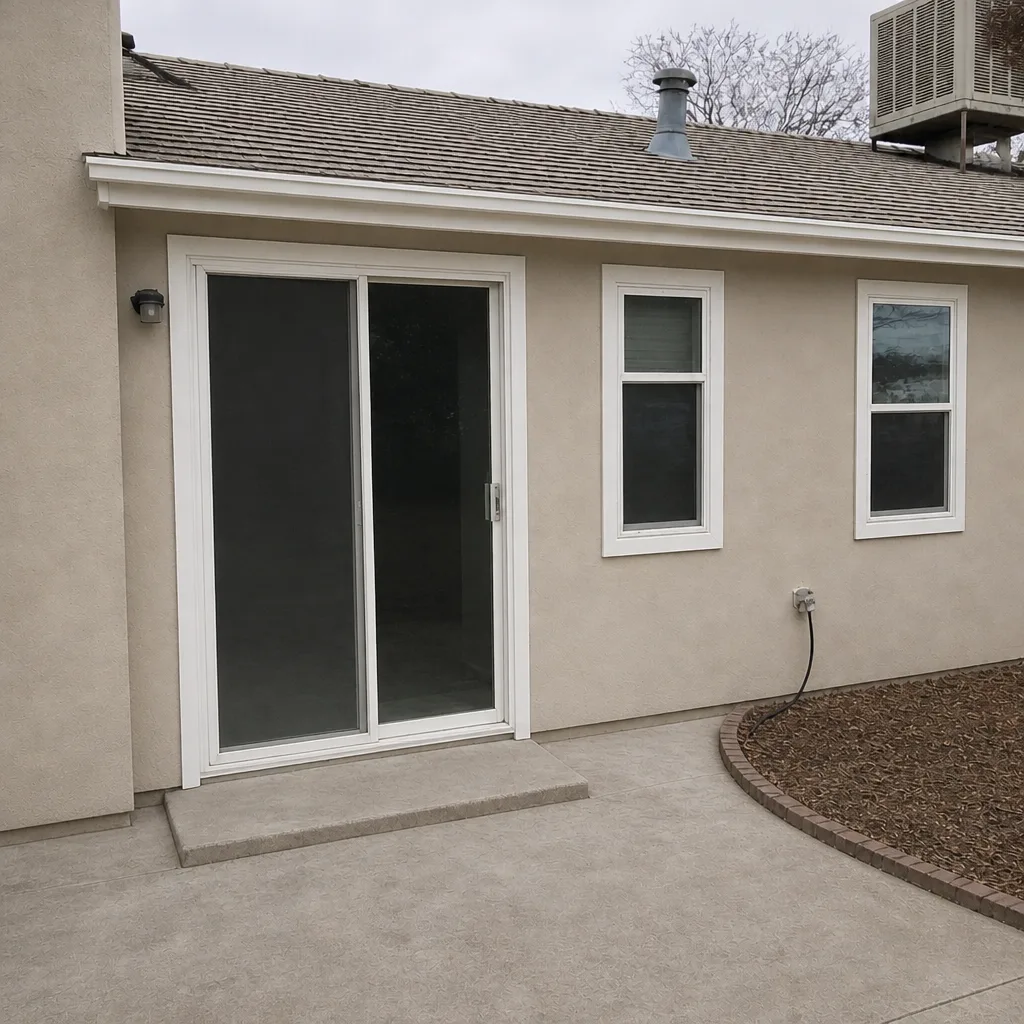
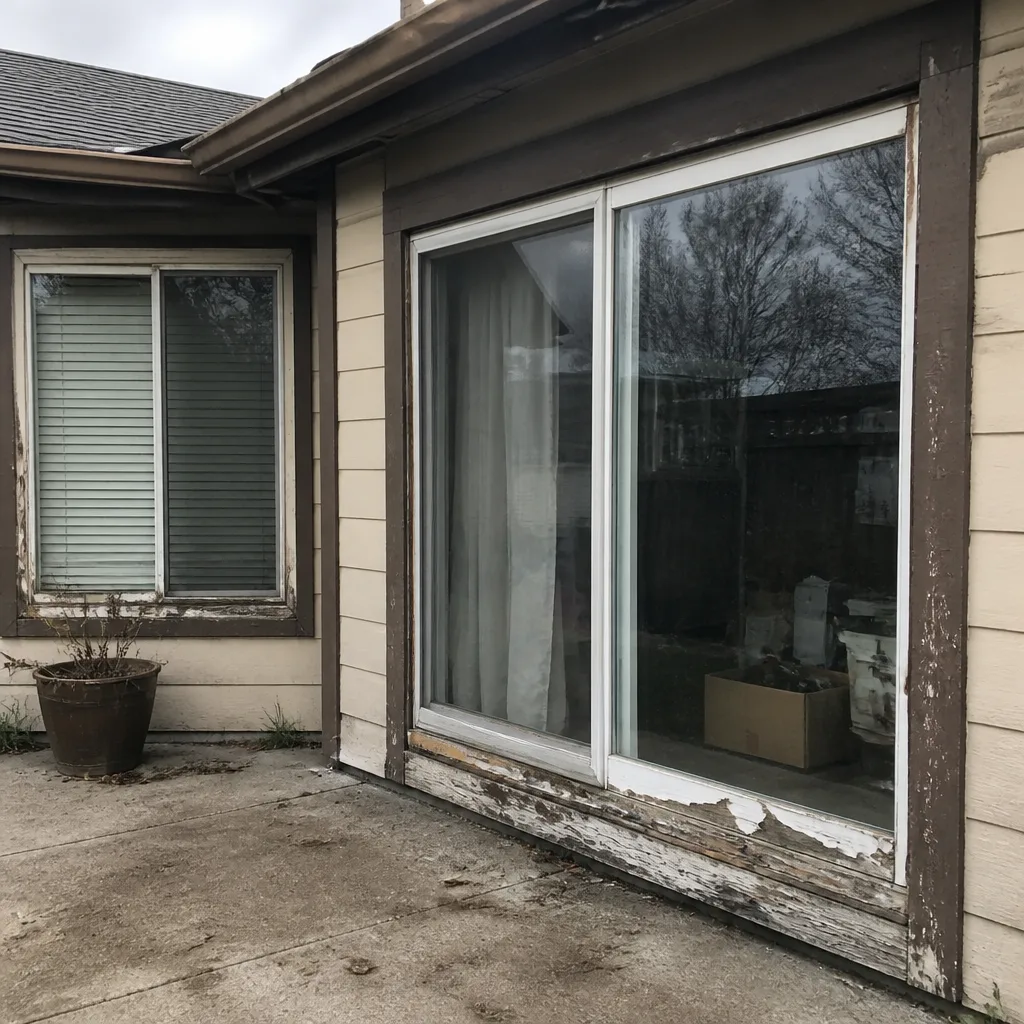
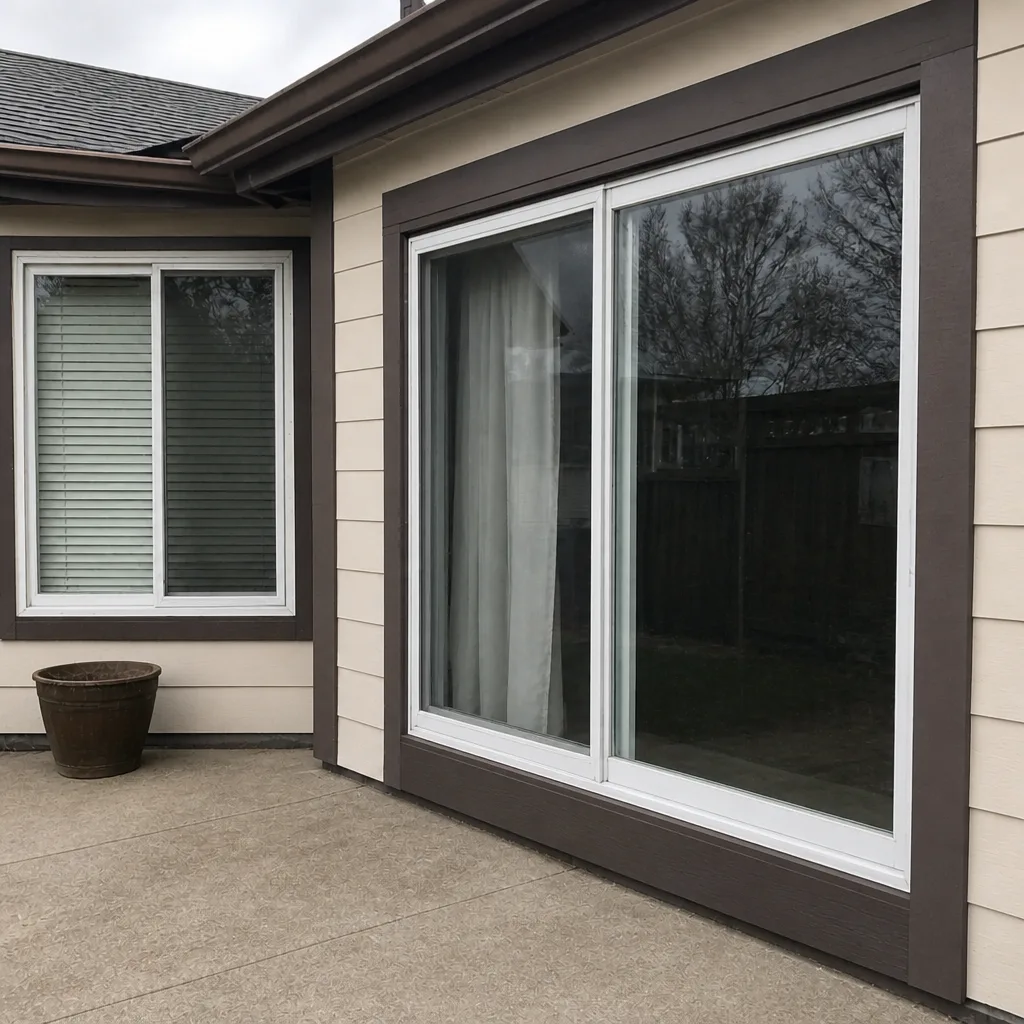
See the difference
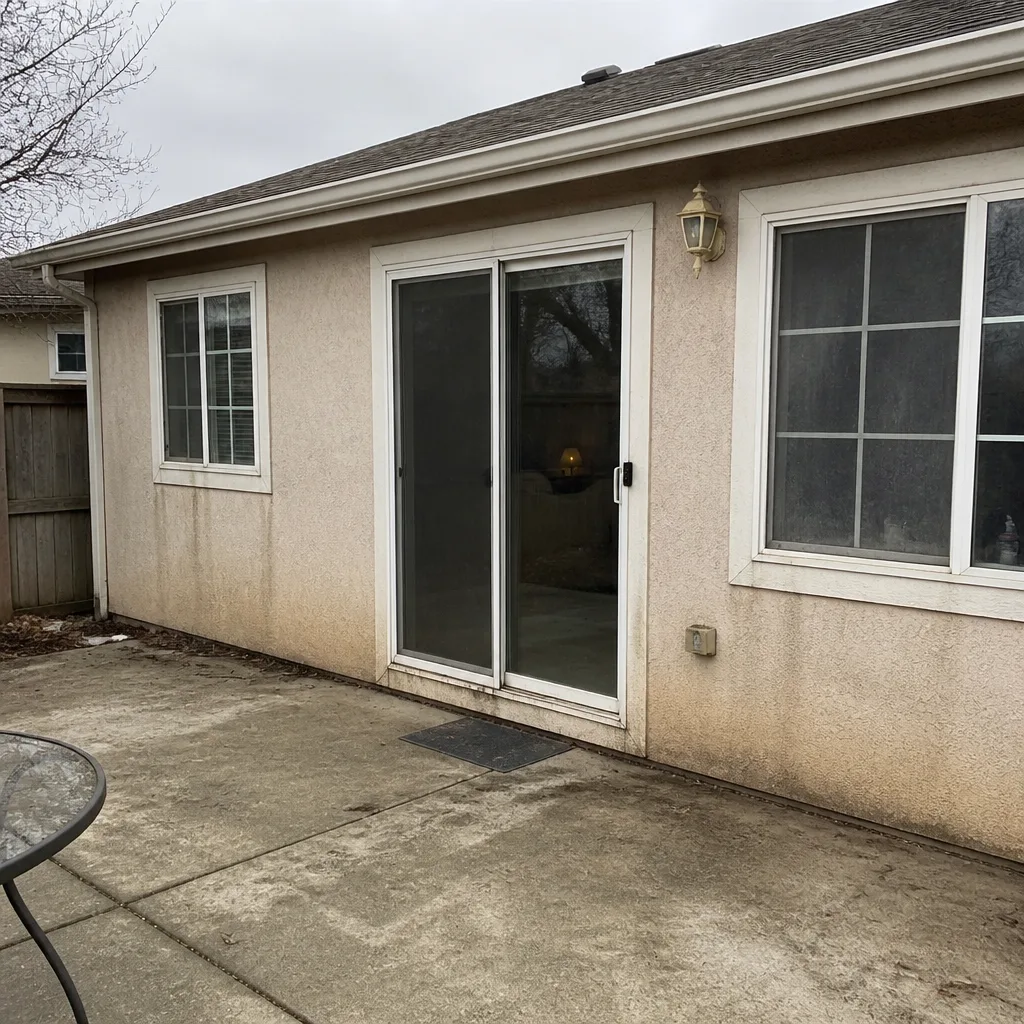 Before
 After
 Before
 After
 Before
 After
When to Call a Professional
Some jobs are check-the-manual territory. Windows, doors, and roofing aren’t. These are structural openings in your envelope, and a bad installation causes damage that’s expensive to unwind. Call a professional when:
- Your insulated glass units are fogging or streaking between panes. That’s a failed seal, and polishing won’t fix it.
- A door no longer latches cleanly or daylight shows at the threshold. Frame or threshold movement means the opening is out of square.
- You’re planning a replacement and need to know how windows, doors, and roof should be sequenced.
- You’ve received a written estimate and want a free second opinion before you commit.
- Your home is in a wind-exposed part of Paradise and you’re not sure what design pressure you need.
Winslow Windows & Doors Paradise offers free estimates in Paradise. Call (833) 958-8388 and a live person will pick up, day or night. Our technicians have up to 15 years of experience, and every tech is background-checked and arrives in uniform. Estimates are itemized, in writing, and the price you agree to is the price on the invoice.
Frequently Asked Questions
For west- and south-facing glass in Paradise, target an SHGC of 0.25 or lower, and keep north- and east-facing windows in the 0.30-0.40 range. That’s tighter than the local minimum because the afternoon solar load here is far harsher than a national-average spec assumes. Ask for the NFRC label numbers before you sign; if you can’t get the SHGC for each exposure, call (833) 958-8388 for a free comparison.
The desert’s wide daily temperature swings and low humidity stress the perimeter seals differently than coastal climates. The glass, spacer, and sealant expand and contract at slightly different rates, and over time the seal breaks and lets moisture in. Cheap spacers and thin sealant layers fail fastest, so the spacer system and sealant quality matter as much as glass thickness. A professional can check your units and tell you whether replacement or repair makes sense.
In Clark County, window and door replacement generally needs a permit when you’re changing opening sizes or replacing a substantial portion of the exterior, and roofing work has its own permit and inspection requirements. The specifics depend on scope, so confirm before work starts. Ask your contractor who pulls the permit and get it in writing. Estimates from Winslow include permit handling as a line item, and you can call (833) 958-8388 to walk through your scope.
For high-wind and heat exposure, PGT and CGI are engineered for high-stress environments and are worth comparing on impact rating and thermal break. CWS is a strong mid-market option, and ViewLux is worth a look for clean sightlines. What matters most is verifying NFRC numbers, design pressure, and impact rating for your specific exposure. We’re an authorized installer for all four, and estimates are free.
Yes, and in many Paradise homes it’s the smarter sequence. Roofing and windows share the same thermal envelope, and doing the work together avoids re-flashing around new windows a couple of years later. The right order depends on the age of each component. A free estimate will walk through the sequencing for your specific home. Call (833) 958-8388 to schedule.
Not with a properly itemized quote. Fixed line-item pricing means the number you agree to is the number on the invoice, with no change orders unless you request a scope change. Watch for quotes that use “permit allowance” or “misc. allowance” instead of real prices. Winslow offers free second opinions on any written estimate, including one from another contractor, so you can compare apples to apples. Call (833) 958-8388 for yours.
The Bottom Line
Paradise windows and doors succeed or fail on specs tuned for a specific climate. Zone 3B means SHGC matters more than U-factor for most exposures, low humidity and heat cycling age seals differently, and frames need to survive the daily swing. Buy brands whose labels show the numbers (PGT, CGI, CWS, and ViewLux among them), verify permits get pulled by the installer, and sequence windows, doors, and roofing as one envelope rather than three separate jobs. Do those things and you’ll stop paying for specs engineered for somewhere else. That’s the whole playbook.
Winslow Windows & Doors Paradise stands behind every job with the 36500-Day Done Right Promise: if it’s not done right, we make it right. We’re locally owned by Ed Winslow with a published address and license number, and a live person answers the phone day or night. Standing offers include $40 off any repair over $200, a free second opinion on any written estimate, no trip charge inside our home county, and a 10% discount for seniors and veterans. That’s the one down the road. Call (833) 958-8388 for your free estimate in Paradise.
Written by the team at Winslow Windows & Doors Paradise.