

Last updated November 18, 2026
 Sliding glass doors
 Single hung
 Double hung
 Horizontal roller
 Casement
 Bay & bow
 Entry doors
 Impact garage doors
 PGT
 CGI
Free in-home measure and quote - PGT, CGI and CWS impact lines compared on your actual openings, style by style
Get your free estimateWindows & Doors Permits, Codes & Inspections in NV: What You Need to Know
Most homeowners in Paradise assume a window or door swap is paperwork-free. In Clark County, that assumption can quietly cost you five figures. Here’s the part nobody warns you about: a permitted replacement adds documented value to your home, but an unpermitted one can legally force removal and reinstallation before escrow closes. That surprise costs more than the original job ever did, and it usually surfaces on the day you’re trying to sell. This guide walks through Nevada’s actual permit thresholds, the energy code as it stands today, the inspection sequence, and how unpermitted work intersects with insurance claims. We’re writing it from Paradise, where we’ve watched these problems play out in real neighborhoods.
Quick Answer
In Nevada, a like-for-like window or door replacement in Clark County typically needs a permit when you change the opening size, alter structural framing, or swap to a different product type, but many straight replacements still require a permit and inspection depending on the jurisdiction and scope. All replacement windows and doors must meet the current adopted IECC energy requirements for U-factor and SHGC in the local climate zone. Unpermitted work can void insurance coverage and create a title-transfer problem at sale.
Styles & brands we work with
- Single hung
- Double hung
- Horizontal roller
- Casement
- Bay & bow
- Sliding glass doors
- Entry doors
- Impact garage doors
- PGT
- CGI
Table of Contents
- Do You Need a Permit for Window Replacement in Nevada?
- When Structural Changes Trigger Full Plan Review
- Nevada’s Energy Code: What IECC Requires in Clark County
- The Inspection Sequence: Rough-In vs. Final
- How Unpermitted Work Affects Insurance Claims
- Bought a Home with Unpermitted Work? The Retroactive Pathway
- Common Mistakes to Avoid
- Frequently Asked Questions
Do You Need a Permit for Window Replacement in Nevada?
The short answer is: it depends on whether the replacement is truly like-for-like. In Clark County, which governs permitting for Paradise and most of the Las Vegas valley, the dividing line is whether you’re changing the size, location, or structural nature of the opening. A same-size swap in the same rough opening can fall under a simpler over-the-counter permit path. Anything that touches framing or changes the opening triggers a full plan review.
Here’s how the two paths break down in practice:
- Like-for-like replacement: same dimensions, same unit type, same rough opening. Usually handled through a quicker residential permit process.
- Changed opening size: widening or heightening a window or door, which alters the header and framing. Full plan review.
- Added or removed openings: cutting a new window into a wall, or enclosing an existing one. Full plan review plus structural documentation.
- Door-to-window conversions or the reverse: impacts egress, structural, and energy compliance. Full plan review.
- Sliding glass door replacement: same-size swaps can be simple; changing panel configurations or track dimensions usually needs review.
We’ve seen homeowners in Paradise get tripped up because a contractor told them “no permit needed” when the job actually changed the rough opening by a couple of inches. Two inches is the whole ballgame. The permit office cares about the opening, not the unit inside it.
What matters most is that somebody with real familiarity with Clark County’s requirements reads your scope before anyone touches a wall. Our technicians have up to 15 years of experience navigating these permit paths, and the difference between a simple swap and a plan review often comes down to knowing what to look for in the framing before demolition starts.
For a deeper look at the actual installation process, see our Window Installation in Sandy Valley guide, which walks through rough-opening verification step by step.
When Structural Changes Trigger Full Plan Review
Full plan review in Clark County is not a penalty. It’s the process that catches load-path problems before someone frames a new opening into a bearing wall. The trigger is straightforward: anything that changes the structural nature of the wall assembly.
These are the conditions that push a job into full plan review:
- Opening size changes. Widening or heightening a window or door changes the header span. A structural engineer or licensed contractor must document the new load path.
- New openings in exterior walls. Cutting a new window into a solid wall requires verifying that nothing above depends on the removed section.
- Door type changes that affect egress. Bedroom and hallway doors have minimum clear-width requirements under the residential code. Swapping a sliding door for a shorter unit can violate egress.
- Wall removal or enclosure. Removing a door and framing it shut, or removing a wall section around a window, is structural work.
- Changes to a wall in a wind-borne debris region. Impact-rated products in certain zones may require documentation that the new unit meets the adopted standard for the site.
The key insight most homeowners miss: the permit examiner isn’t just checking your paperwork. They’re checking whether the person who designed the change understood the wall. Plans that arrive without a proper header calculation get kicked back, and the timeline stretches by weeks.
The cost of a plan review is small compared to the cost of a header failure. If you’re replacing a full run of windows across a wall in a Paradise home, it’s worth confirming the scope before signing anything. For impact-rated products that carry their own compliance documentation, see our Impact Windows in Sandy Valley page, which addresses the product-specific requirements.
Nevada’s Energy Code: What IECC Requires in Clark County
Nevada has adopted and updated its energy code over multiple cycles, and Clark County enforces the current adopted IECC requirements for replacement fenestration. The practical effect is that any permitted window or door replacement must meet a U-factor and SHGC threshold for the local climate zone. Clark County sits in a hot-dry climate zone, which means SHGC matters as much as U-factor.
Here’s what the current code cycle asks for on replacement units:
- U-factor: the maximum allowed heat transfer through the assembly. Lower is better in summer cooling loads.
- SHGC (Solar Heat Gain Coefficient): how much solar heat passes through. In a hot-dry climate, the ceiling is tighter to reduce cooling demand.
- Air leakage: replacement assemblies must meet a maximum infiltration rate under the adopted standard.
- Labeling: products carry a National Fenestration Rating Council label showing the certified values. The inspector may ask to see it.
Energy compliance is where low-bid installers quietly cut corners. A unit that meets code on paper but is installed with gaps, unsealed perimeter joints, or undersized flashing will fail the air-leakage and water-infiltration checks on the final inspection, regardless of its NFRC rating. The rating is on the product. The performance is on the installer.
We install brands like PGT, CGI, ECO Window Systems, and Therma-Tru specifically because their documentation is thorough and their NFRC labels match what the code requires. When a Paradise homeowner calls us for a second opinion on a written estimate, one thing we check is whether the proposed product carries the certification the county’s energy code actually demands for the climate zone. That’s a detail worth confirming early. Call our team at (833) 958-8388 and we’ll walk through your product options.
The Inspection Sequence: Rough-In vs. Final
Clark County typically requires two inspection stages on window and door replacements where the wall assembly is opened. Understanding what the inspector is checking at each stage helps you avoid the most common failure points.
Rough-in inspection. The inspector walks the wall with the framing exposed. They’re verifying that the opening was sized correctly for the product, that the header and king studs carry the load path, that flashing and weather-resistive barrier are installed in the correct sequence, and that the unit is set level, plumb, and square within tolerance. This inspection happens before any drywall, trim, or stucco goes back on.
Final inspection. The inspector verifies that the perimeter seals are intact, that air sealing was done on both the interior and exterior, that window and door operation meets the opening-force requirements for egress, and that the NFRC label documentation matches the submitted plans. This is where energy compliance gets checked in the field.
- Confirm the permit is issued before material delivery.
- Schedule the rough-in inspection after framing and flashing, before closing the wall.
- Correct any deficiencies noted by the rough-in inspector before proceeding.
- Schedule the final inspection after trim, sealing, and finish are complete.
- Keep the signed inspection record with your home’s documentation for resale.
The rough-in stage is where most failures happen, and almost always for the same reason: the opening size was off by more than the tolerance. We’ve seen this most often in Paradise neighborhoods where older homes have settled walls that look square but aren’t. The framing shift shows up at rough-in, and suddenly the unit has to be reordered. Our team verifies the opening before demolition specifically to avoid this. See our guide on Window Replacement in Sandy Valley for the pre-installation check sequence we use.
How Unpermitted Work Affects Insurance Claims
This is the section people wish they’d read before the storm. When a homeowner files a claim after a monsoon or a haboob-driven wind event in Paradise, the adjuster doesn’t just look at the damage. They look for evidence that the failed component was installed under a permit and inspected. If the window or door that failed was unpermitted, the insurer can deny or limit the claim for that portion of the loss.
What insurers actually check during post-storm adjustment:
- Permit history. The county’s online permit portal shows whether the work was authorized and inspected.
- Product documentation. The NFRC label and manufacturer spec sheet must match the unit that failed.
- Installation method. If the adjuster sees unsealed perimeters or absent flashing, the installation itself becomes the basis for denial.
- Egress compliance. A door that failed code is a different risk profile than one that was inspected and passed.
Here’s the counterintuitive part: the adjuster isn’t trying to catch you. They’re following the policy language, which usually excludes damage caused by code-noncompliant work. A permitted job protects the homeowner twice: once at the county inspection and again at the claim table. If you’re in Paradise and your policy includes replacement-cost coverage on windows, that coverage only stands when the work underneath it does.
Bought a Home with Unpermitted Window or Door Work? The Retroactive Pathway
If you bought a Paradise house and later discovered the windows or doors were replaced without a permit, you’re not stuck. Clark County has a retroactive permit pathway for existing work. It’s not free and it’s not instant, but it converts a liability into a documented improvement.
The basic process looks like this:
- Request a permit history. Pull the county’s record for the property address to confirm what was and wasn’t permitted.
- Hire a licensed contractor or engineer to document current conditions. This means measuring the openings, verifying the header framing, and confirming the product’s NFRC rating.
- Submit the retroactive permit application with the documentation package.
- Schedule an inspection. The inspector verifies that the work as-installed meets current code, or identifies what needs correction.
- Complete any required corrections and obtain the final inspection sign-off.
The catch: some corrections only surface on inspection. If the original installer used an undersized header or skipped flashing, the retroactive permit doesn’t just document the problem, it requires fixing it. That’s the right outcome for the homeowner, but it means budgeting for potential corrective work.
We’ve walked Paradise homeowners through this process after a sale inspection flagged unpermitted windows. The earlier you address it, the cheaper it is. If you’re planning to sell within two years, resolving the permit file now is far less stressful than resolving it during escrow. Call our team at (833) 958-8388 to schedule the documentation inspection.
Common Mistakes to Avoid
- Trusting “no permit needed” without verifying the scope. A contractor who changes the opening size by two inches has moved the job into plan review, whether they say so or not. Confirm the actual dimensions before signing the contract.
- Skipping the rough-in inspection to save a week. The rough-in inspection catches framing and flashing errors before drywall goes back up. Skipping it means the final inspection either fails or the errors stay hidden until they leak.
- Assuming the product label equals installation compliance. An NFRC-rated window installed with unsealed perimeters fails the air-leakage inspection and can fail an insurance claim. The installer’s work determines the performance.
- Replacing a bedroom window or door without checking egress width. Clark County residential code requires a minimum clear opening in sleeping rooms. A smaller unit that “fits the opening” can still violate egress.
- Not pulling the permit history before a Paradise home purchase. The county’s portal shows permit and inspection records for your address. A ten-minute check prevents a five-figure surprise at escrow.
- Treating retroactive permits as an emergency-only fix. The correction cost grows the longer unpermitted work sits. Water damage from missing flashing compounds the original issue.
- Installing a sliding glass door without verifying the track drainage slope. In the Paradise monsoon season, an improperly sloped track sends water into the wall cavity before the adjuster ever sees it.
See the difference
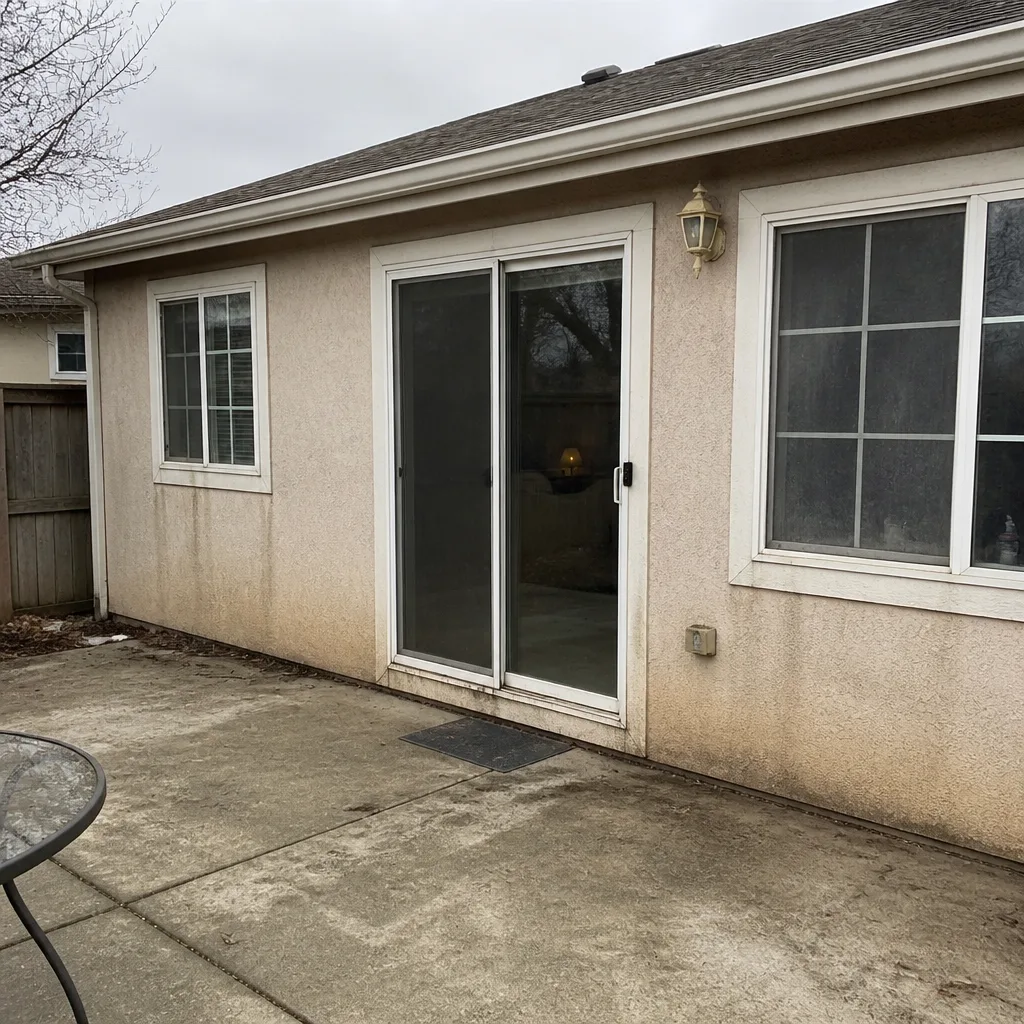 Before
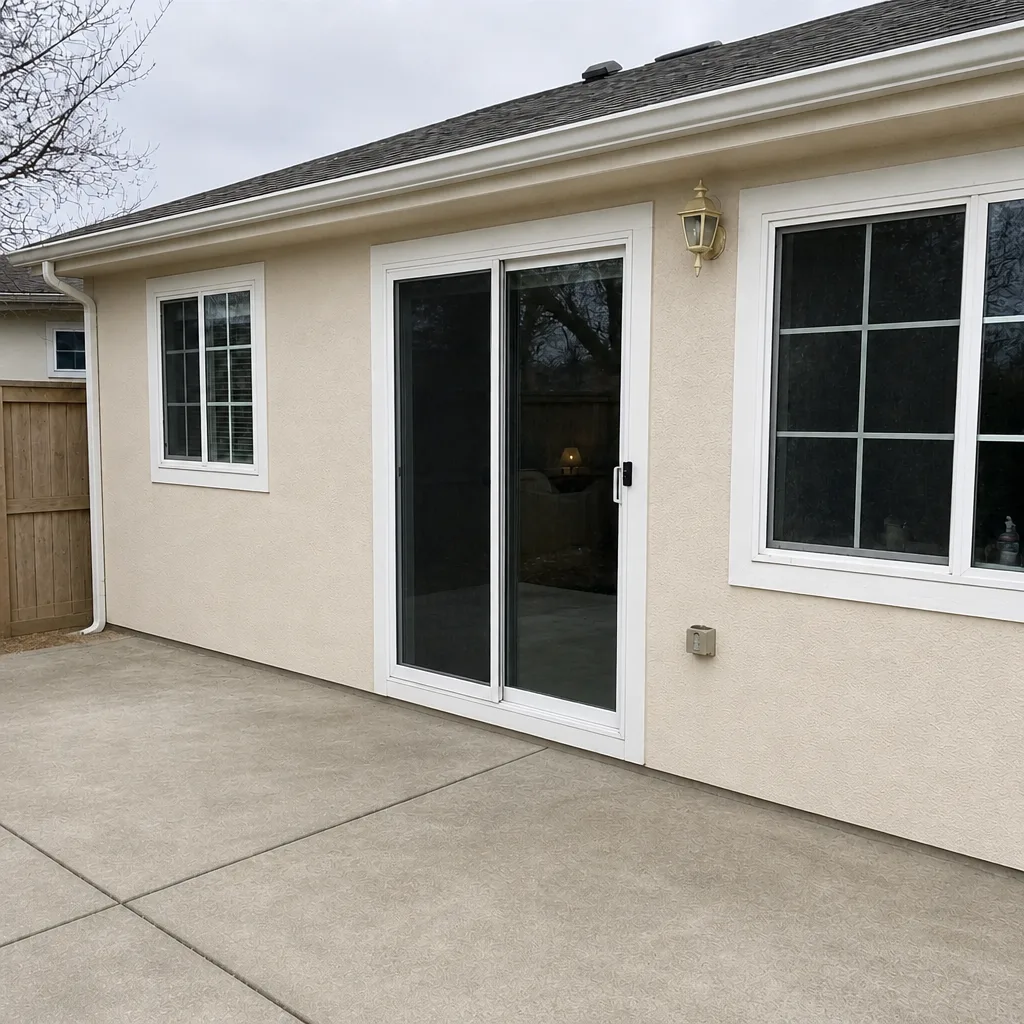 After
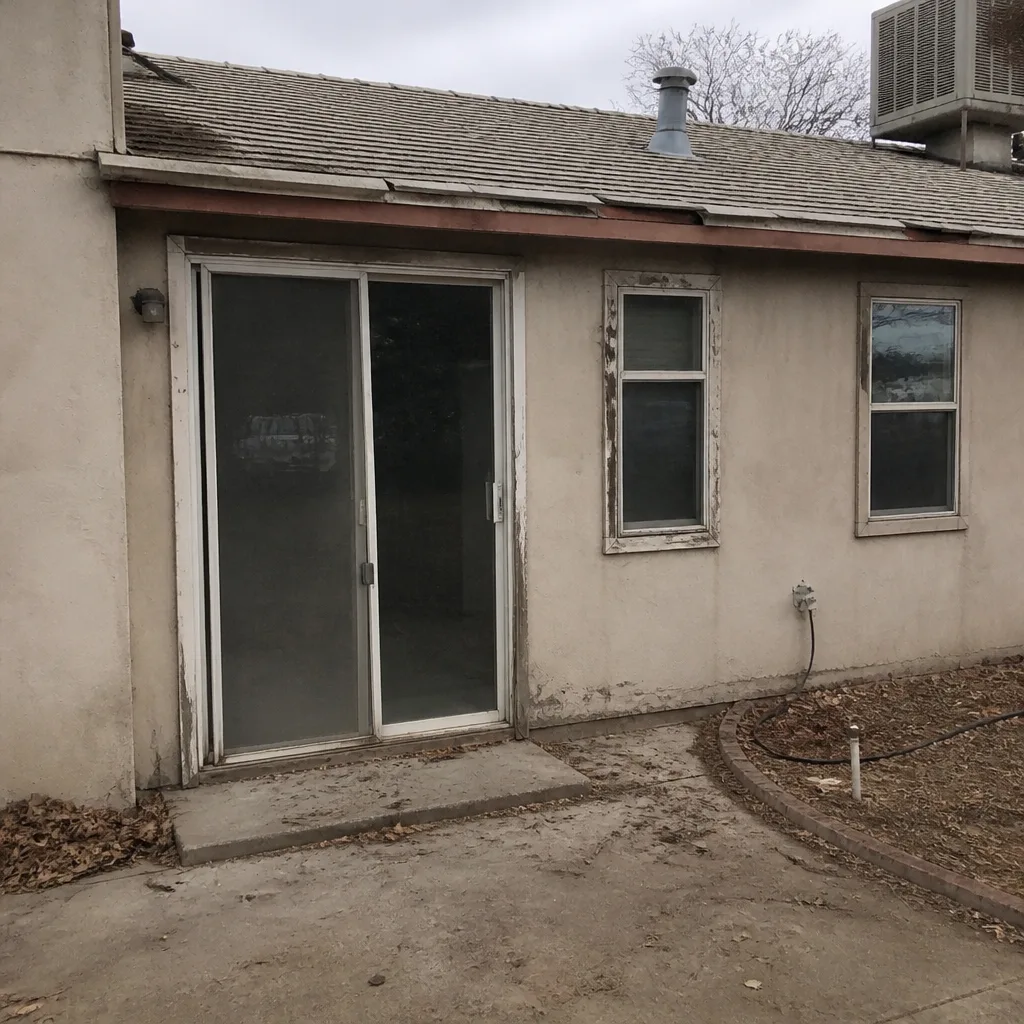 Before
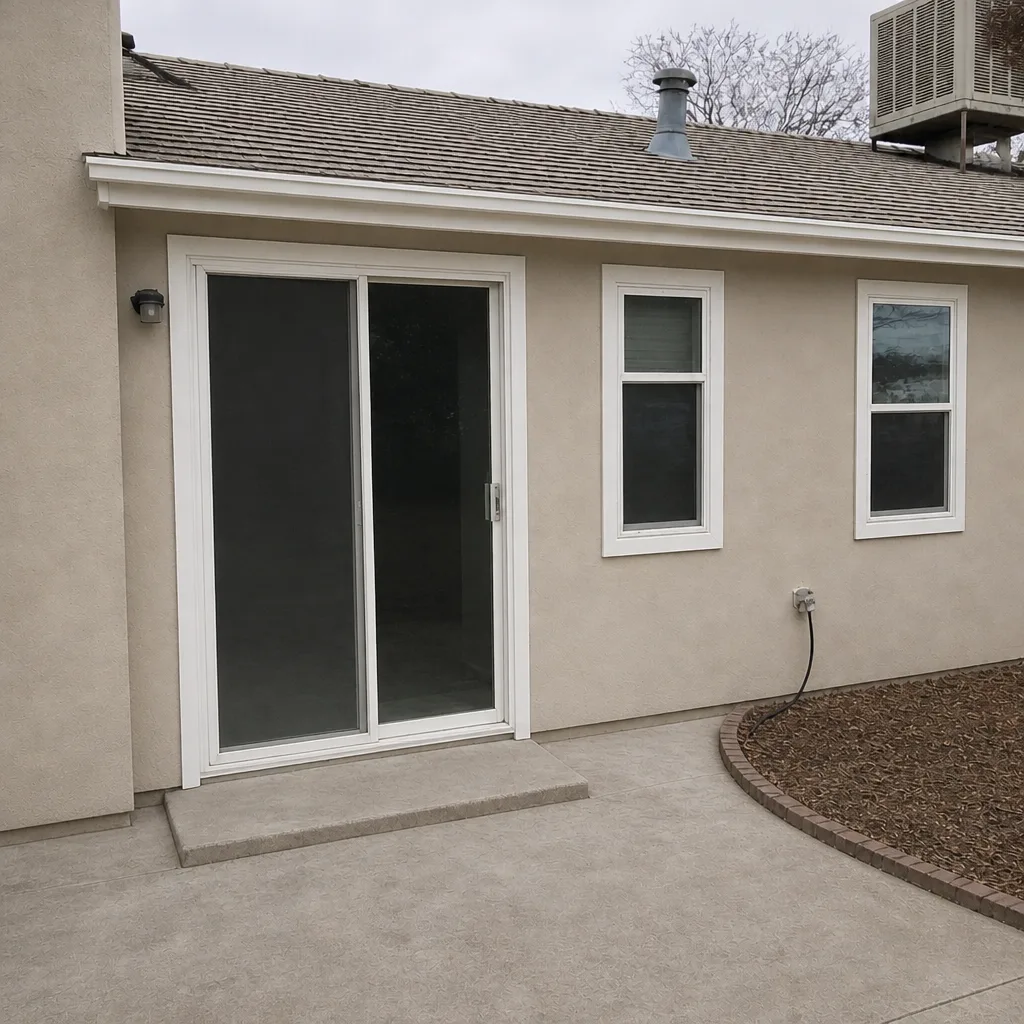 After
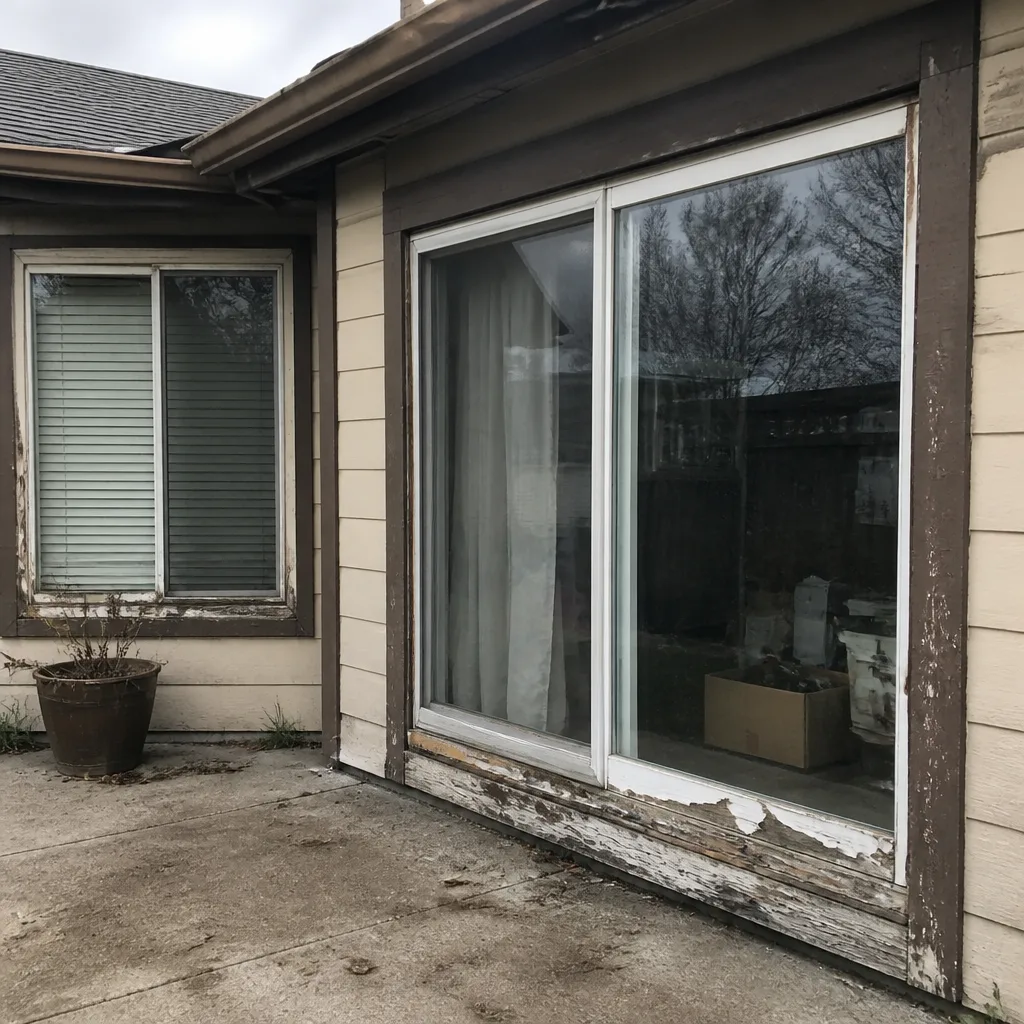 Before
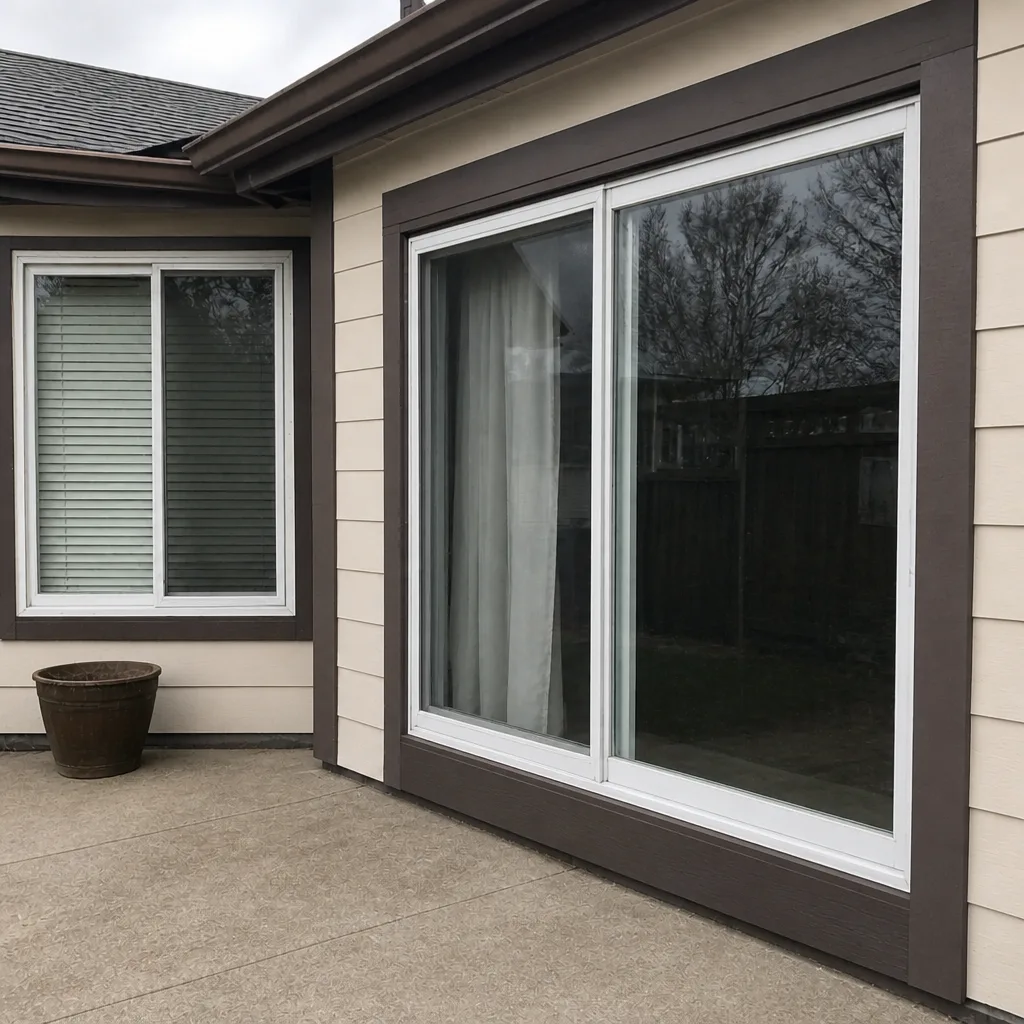 After
When to Call a Professional
There are jobs where the code questions are simple, and there are jobs where every answer opens another question. If your scope involves a changed opening size, a sliding glass door replacement, an impact-rated product, or a home where the permit history is unclear, those are the scenarios where a professional walk-through saves you more than it costs. The same is true if you’ve received a written estimate and want a second set of eyes on the product spec and the permit path. Winslow Windows & Doors Paradise offers free estimates in Paradise and a free second opinion on any written estimate. Call (833) 958-8388. Our technicians have up to 15 years of experience, and the local professionals we connect you with are state-licensed and insured as Nevada requires. The 36500-Day Done Right Promise means that if the work isn’t right, we make it right.
Frequently Asked Questions
You typically need a permit when the replacement changes the opening size, alters structural framing, or changes the product type, and many straight replacements still require a permit and inspection under the local process. A true like-for-like swap in the same rough opening can often use a simpler permit path, but the only way to be certain is to confirm the scope with the county. Call (833) 958-8388 if you want a free walkthrough of your specific window before you commit to a permit decision.
Nevada has adopted IECC-based energy requirements and Clark County enforces the current cycle for replacement fenestration, including U-factor and SHGC maximums tied to the local climate zone. In a hot-dry climate like Paradise’s, the SHGC ceiling matters more than in cooler parts of the state, which affects which products qualify. A certified product labeled with NFRC values makes the compliance check simple.
Permit fees in Clark County are typically modest relative to the project total and are calculated based on valuation and scope, but the exact number varies by jurisdiction and project. A full plan review costs more than a simple like-for-like permit. The bigger cost to watch is the correction cost when unpermitted work is discovered later. For a free estimate on the installation side, call (833) 958-8388.
Unpermitted window or door work can legally require removal and reinstallation before escrow closes, and in practice it often triggers a buyer’s inspection contingency that pushes the cost of corrections onto the seller. The retroactive permit pathway in Clark County allows the issue to be resolved before sale. Call (833) 958-8388 to schedule the documentation walkthrough before you list.
Insurance adjusters look for evidence the failed component was permitted and inspected, and unpermitted or code-noncompliant work can be excluded from a claim. Post-storm, they also check the NFRC product label and the visible installation method (flashing, perimeter sealing). A permitted, inspected job protects both the structure and the claim.
Yes. We install impact windows, doors, and patio doors from ECO Window Systems, Mr-Glass, ViewLux, and other authorized brands, and we handle the product documentation, NFRC labels, and installation method that the Clark County inspection process relies on. Our team answers phone calls live, 24 hours a day, at (833) 958-8388. For a top-level view of what we do, see our Winslow Windows & Doors Paradise home.
The Bottom Line
Nevada’s permit process is less intimidating than the internet makes it sound, but the stakes are real. A like-for-like replacement in Paradise often moves through a straightforward path, while any change to the opening size or framing triggers full plan review. The energy code matters in Clark County’s hot-dry climate, and the inspector checks the installation, not just the label. If you’re buying a home, pull the permit history. If you’re selling, resolve unpermitted work early. And if you’re planning a project, get a second set of eyes on the scope before anyone measures. Upfront pricing, no surprises on the invoice, and a real person at (833) 958-8388 whenever you call: that’s what we do.
Written by the team at Winslow Windows & Doors Paradise.