
Last updated November 18, 2026
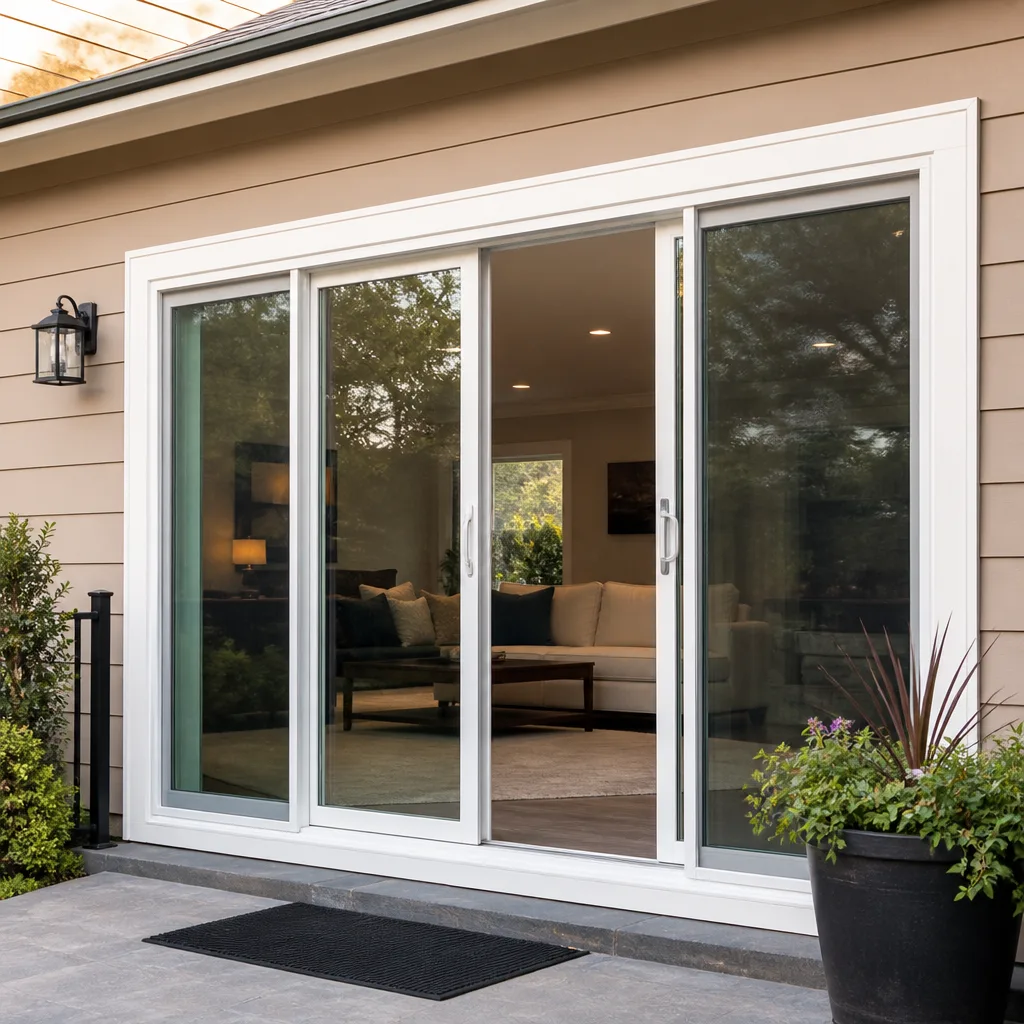 Sliding glass doors
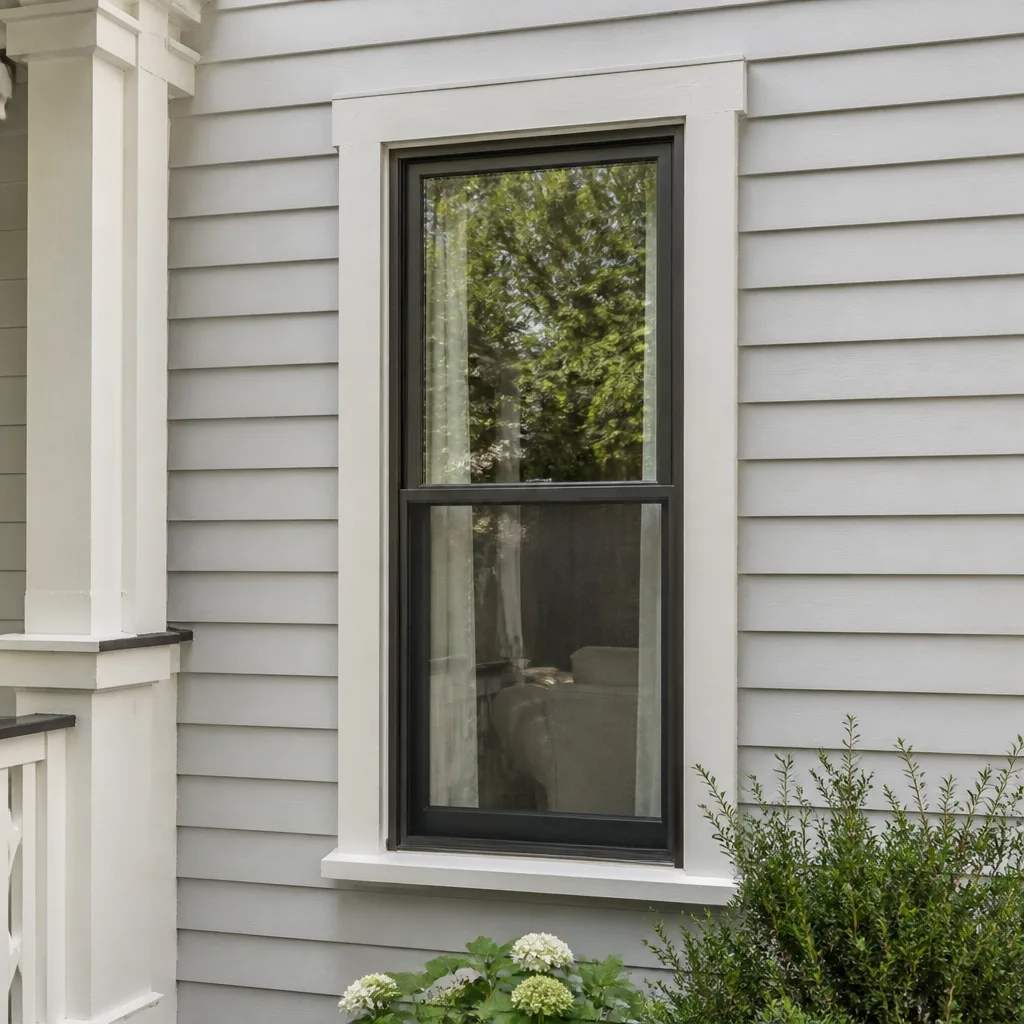 Single hung
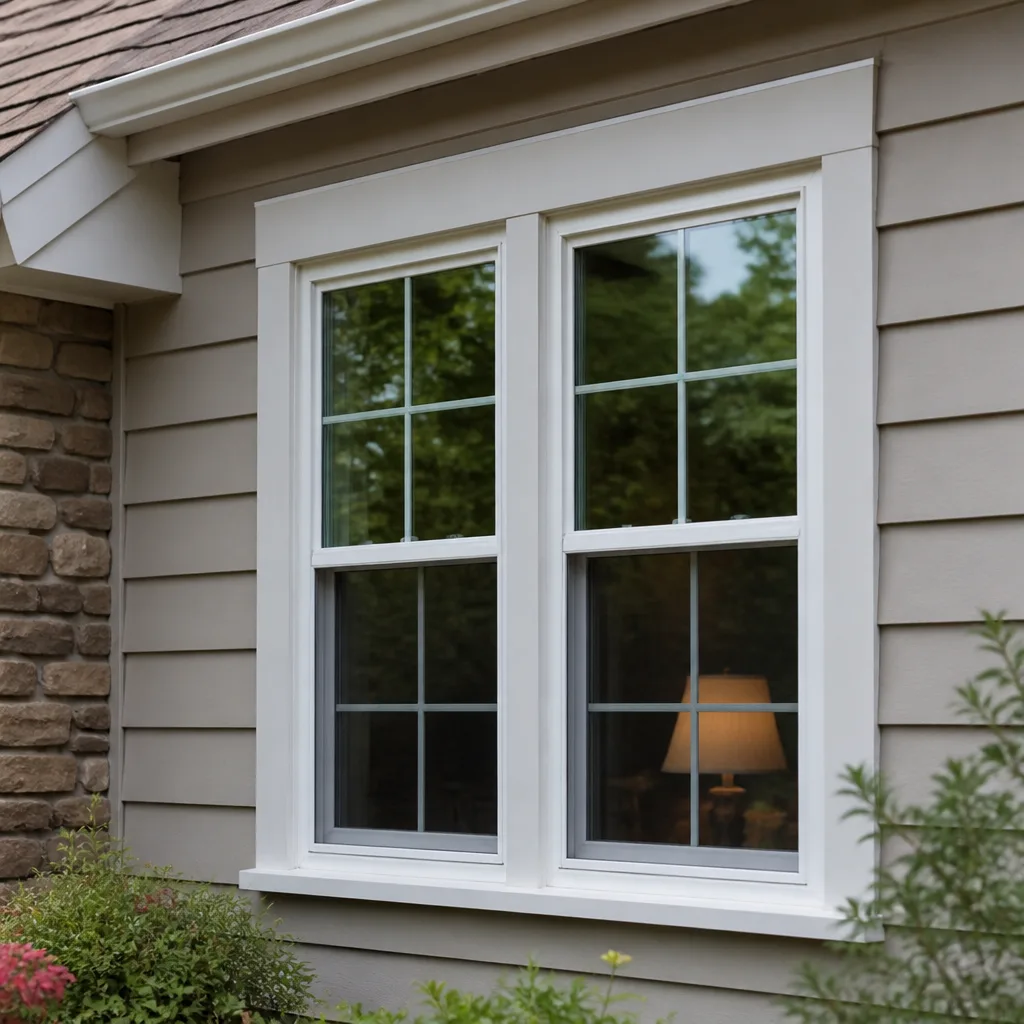 Double hung
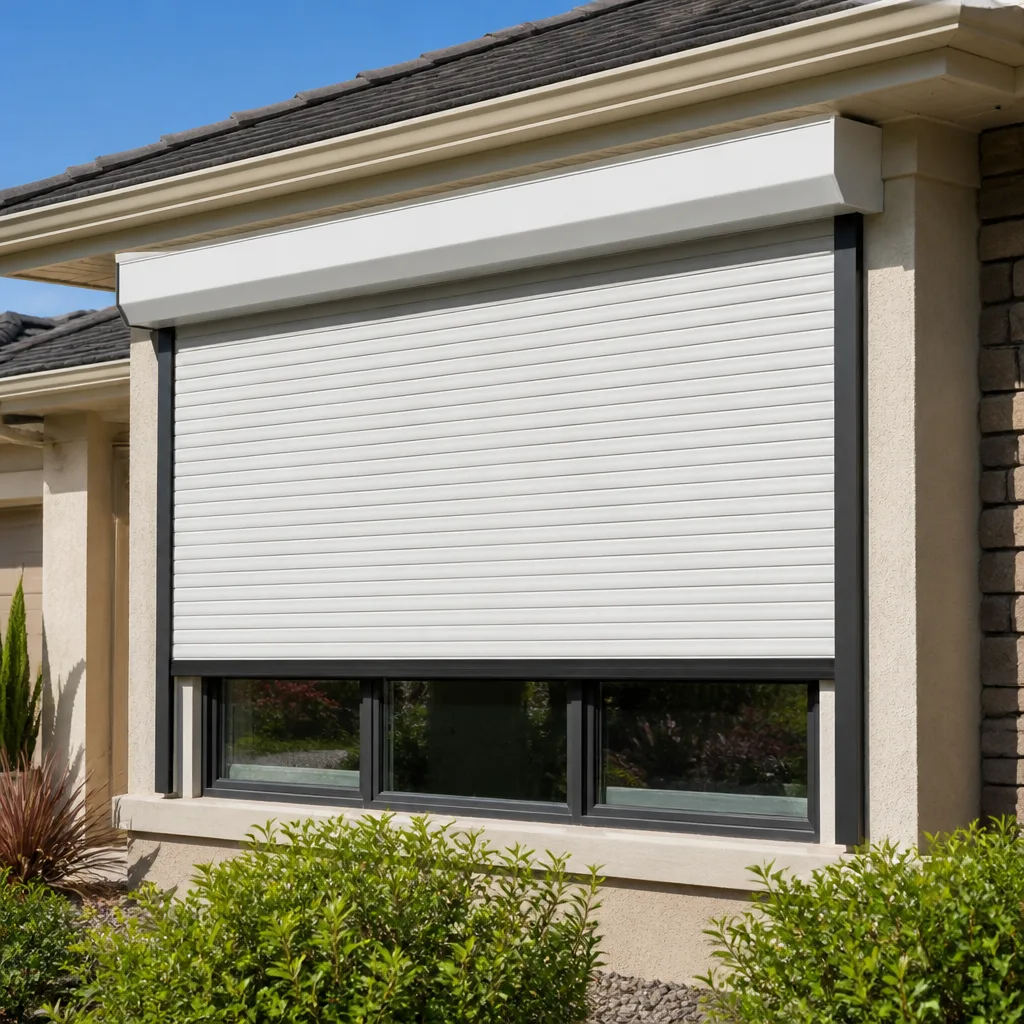 Horizontal roller
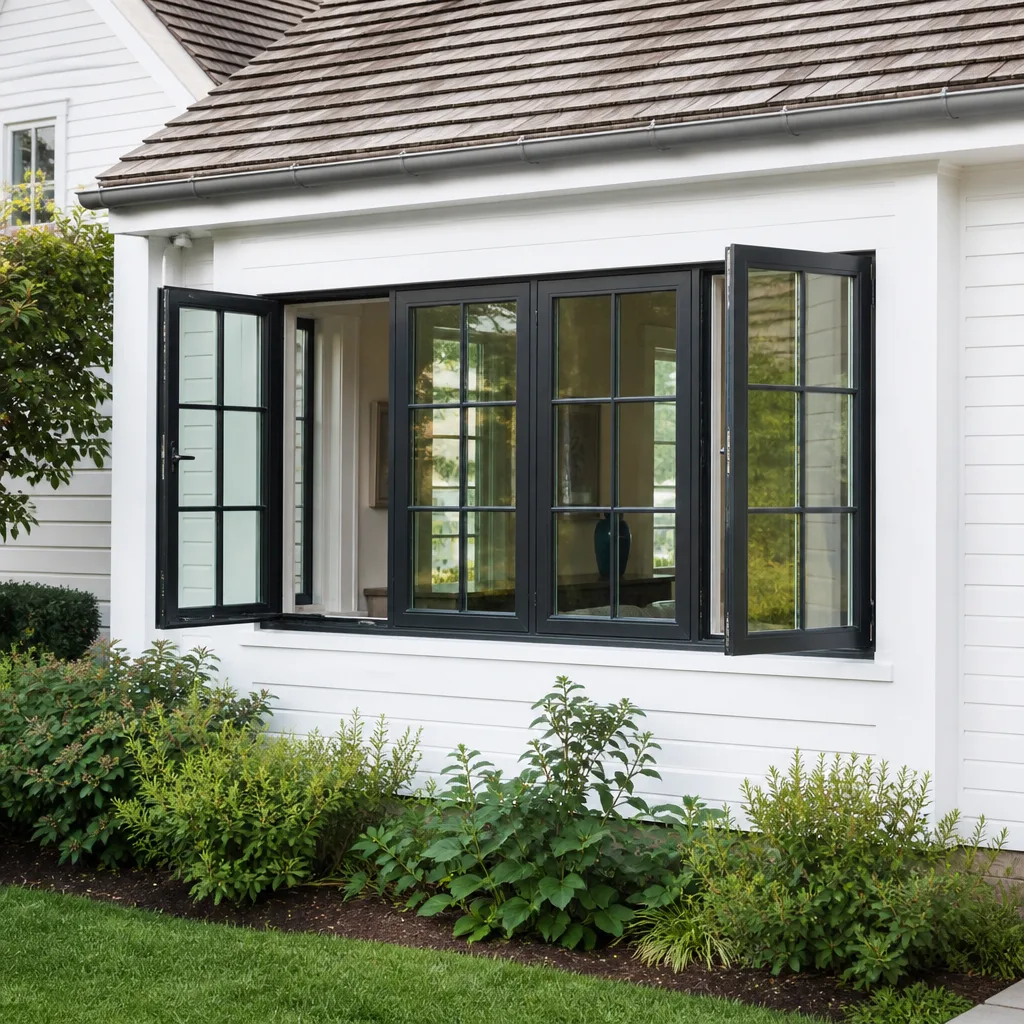 Casement
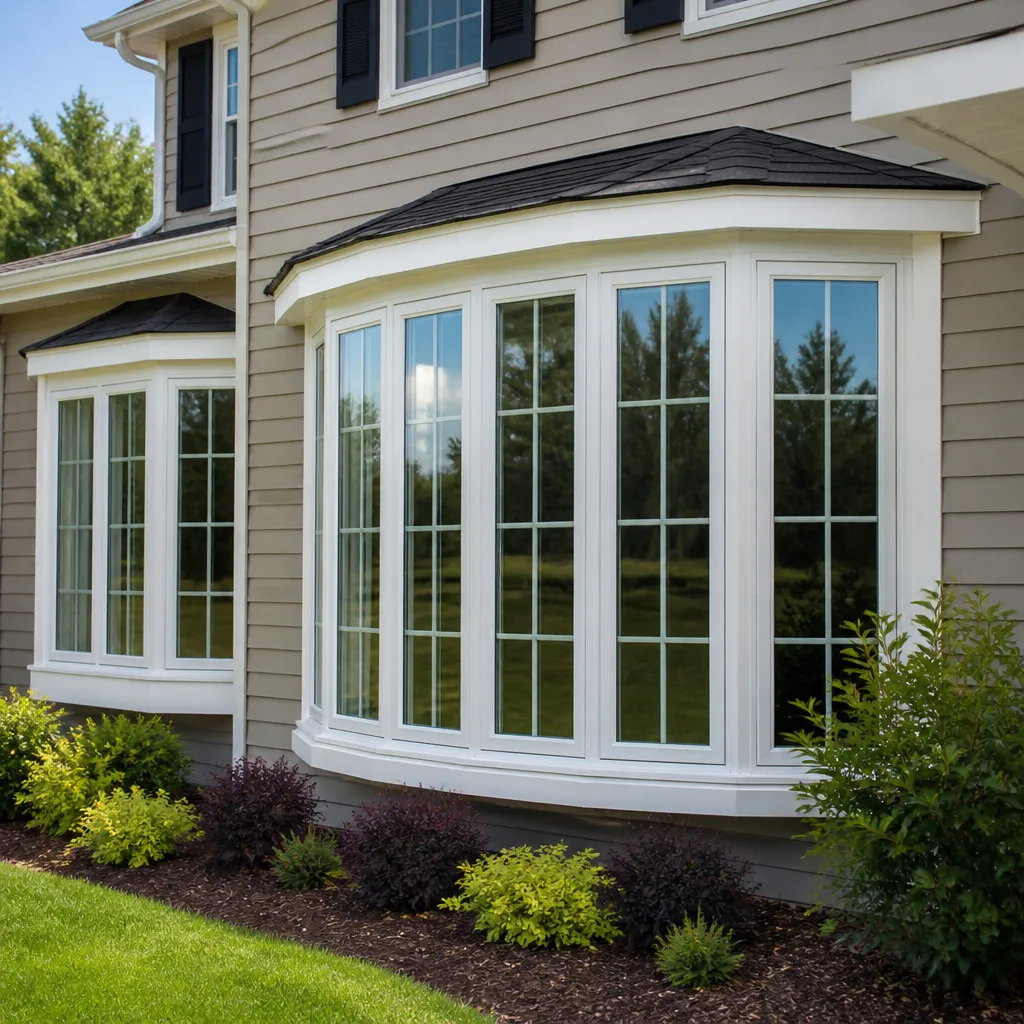 Bay & bow
 Entry doors
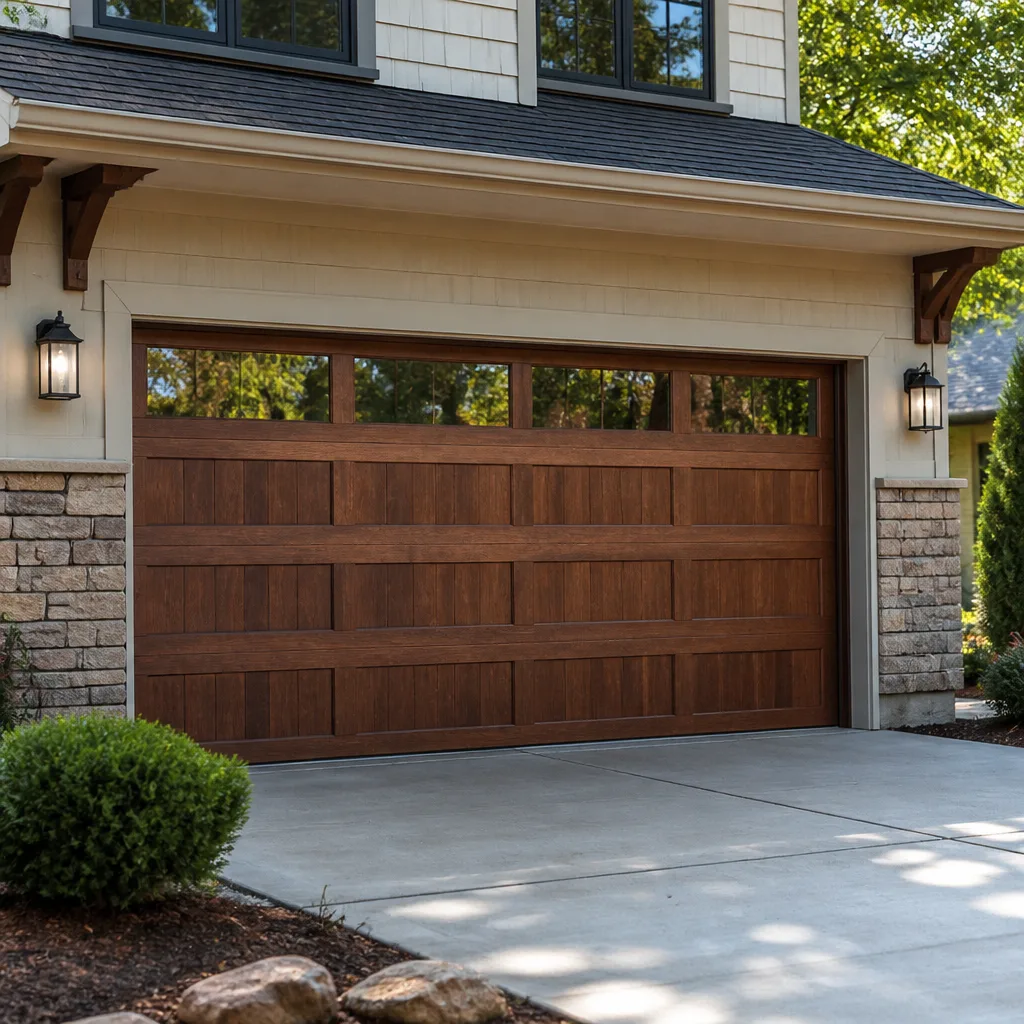 Impact garage doors
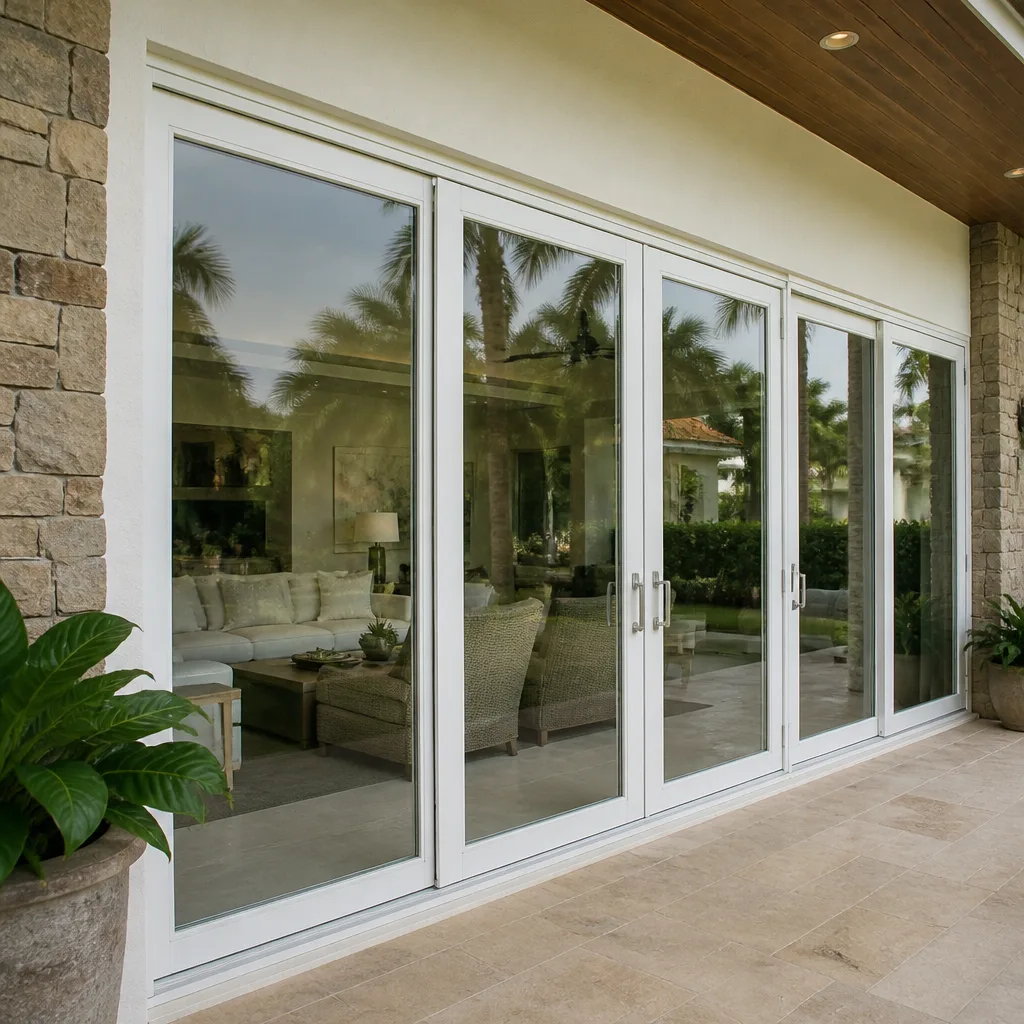 PGT
 CGI
Free in-home measure and quote - PGT, CGI and CWS impact lines compared on your actual openings, style by style
Get your free estimateSeasonal Windows & Doors Care for Paradise: Year-Round Homeowner’s Guide
The window seal failures Paradise homeowners discover in October almost always started in June. That’s the part most people never see coming. The rubber gasket that looked fine in spring has been cooking against a west-facing frame for four months, and the only reason you notice now is that the first cool night finally makes the condensation show up on the inside of the glass. Paradise doesn’t run on four equal seasons. It runs on two brutal ones and two narrow transitional windows, and a care calendar built around that asymmetry will protect your windows and doors far better than the generic spring-and-fall advice you’ll find on most manufacturer sites. This guide walks you through the real Paradise weather arc, month by month, with the specific tasks that matter at each stage.
Quick Answer
Windows and doors in Paradise need care timed to the desert’s actual cycle rather than the calendar: prep weatherstripping and drainage channels in April and May, manage operation and sun exposure during the June-through-September heat peak, inspect for UV and thermal-cycling damage in October, and focus winter attention on low humidity’s effect on door seals and frame caulking rather than on cold. The single most skipped task is clearing drainage channels after wind-blown Mojave dust season, and it’s the one that most often leads to slow frame rot.
Styles & brands we work with
- Single hung
- Double hung
- Horizontal roller
- Casement
- Bay & bow
- Sliding glass doors
- Entry doors
- Impact garage doors
- PGT
- CGI
Table of Contents
- Why Paradise’s Two-Season Climate Changes the Care Calendar
- Pre-Summer Prep (April-May): Protecting Weatherstripping Before Peak Heat
- The Spring Task Everyone Skips: Clearing Drainage Channels After Dust Season
- Peak Summer Protocol (June-September): The Safe Operating Window
- Post-Summer Inspection (October): Catching Damage Before Cooler Nights Expose It
- Winter Readiness: Why Low Humidity, Not Cold, Threatens Your Doors
- What Quality Glass and Door Construction Actually Buy You Here
- Common Mistakes to Avoid
Why Paradise’s Two-Season Climate Changes the Care Calendar
Most seasonal maintenance guides are written for a temperate climate with a gentle spring, a moderate summer, a crisp fall, and a cold winter. Paradise doesn’t work that way. Our year splits into a long, punishing cooling season, a short but genuinely cold stretch, and two brief transitional periods that compress all of your maintenance work into a few weeks each.
That compression is exactly why care tasks get missed. If you assume you have all of March, April, and May to prep for summer the way a Midwest homeowner would, you’ll run out of mild mornings before you’ve cleared a single drainage channel. And the damage from a missed task doesn’t announce itself. It accumulates quietly through the hot months and only becomes visible when the weather turns, which is why October is inspection month, not repair month.
Here’s the practical shape of the Paradise year for windows and doors:
- April-May: Pre-summer prep. The window is short, and this is where weatherstripping, seals, and drainage get addressed before heat stress begins.
- June-September: Peak heat. Maintenance shifts from fixing to operating correctly and limiting exposure.
- October: Inspection month. The transitional cooling exposes every leak and seal failure that built up over summer.
- November-February: Winter readiness, with low humidity as the lead threat rather than cold.
- March: Wind season, which loads up the drainage channels and frames you’ll clean in April.
If you’re already noticing failed seals and wondering whether repair or replacement makes more sense, it’s worth reading Window Replacement in Sandy Valley alongside this guide, since the deciding factor is usually the same: how much thermal cycling the unit has already absorbed.
We’ve seen this pattern play out across Paradise neighborhoods for years. The homes that hold up best aren’t the ones with the most expensive windows. They’re the ones where the homeowner understood that the care calendar here is front-loaded into spring and back-loaded into a single October inspection.
Pre-Summer Prep (April-May): Protecting Weatherstripping Before Peak Heat
The specific job of April and May is to protect weatherstripping and frame seals before solar heat gain starts compressing and degrading them. Weatherstripping is a rubber or foam gasket, and rubber has a limited tolerance for repeated heat cycles. Every day it spends flexing against a frame that’s expanding in 100-degree-plus sun takes a little of its resilience. Prep in spring, and you can slow that down considerably. Skip it, and by August the gasket is permanently compressed and your door starts whistling.
Here’s what to actually do, in order:
- Walk every exterior door and feel the weatherstripping. Press it gently. It should spring back like a new sponge. If it stays flattened or crumbles at the edge, it’s already past its useful life and should be replaced before summer.
- Check the door bottom sweep or threshold seal. Close the door on a piece of paper and try to pull it out. If it slides free with no resistance, the bottom seal has failed and hot air is going to pour in all summer.
- Look at the caulking line where the frame meets the stucco or siding. Any crack, gap, or separation needs fresh sealant before July. High heat will only widen it.
- Test every operable window latch and lock. A window that doesn’t fully draw closed isn’t sealing, and it won’t seal better in August.
- Clean the weep holes and drainage channels at the base of each window frame. (This deserves its own section, and it gets one below.)
One thing to note: weatherstripping replacement on standard doors is a straightforward job, but if you have an impact-rated door or a sliding glass assembly (many Paradise homes use PGT, CGI, or CWS units for the wind ratings), the seals are integrated into the frame system. Replacing those is not a weekend-caulk project, and forcing it can void the impact rating. If you’re unsure which type you have, that’s the moment to stop and get a second opinion rather than improvise.
Do this prep in the mild April window, and your door will hold its seal through the full cooling season. Our technicians have up to 15 years of experience walking Paradise homeowners through exactly this kind of prep before the heat arrives.
The Spring Task Everyone Skips: Clearing Drainage Channels After Dust Season
This is the one. If you take one thing from this guide, make it this section.
Every window frame is built with drainage channels, small weep holes and sloped pathways at the base that route water out and away from the frame. In a temperate climate, water is the only thing they need to handle. In Paradise, they also collect wind-blown Mojave dust through the windy spring months, and that dust settles into the channels and hardens when the first summer rain hits it or when sprinkler overspray reaches it. Once the channel is clogged, water has nowhere to go but into the frame.
From there, the sequence is slow and expensive. Water pools at the base of the frame, the sealant softens, moisture works into the wood or composite frame material, and rot begins. By the time you see a soft spot or a stain near the sill, the damage has usually been growing for a year or more. Frame rot on a window isn’t a maintenance item; it’s a replacement event.
Here’s how to check and clear the channels safely:
- Work from inside or from a stable step. Don’t lean out of an open second-story window to reach the exterior sill.
- Locate the weep holes. On most sliding and single-hung windows, they’re small slots at the bottom exterior edge of the frame, following the slope.
- Clear with a soft tool, not a screwdriver. A pipe cleaner, a soft brush, or a low-pressure burst of water works. Metal tools scratch the finish and can widen the hole in a way that defeats the drainage slope.
- Flush from inside to out with low-pressure water, and confirm water exits freely at the exterior weep holes.
- Inspect for standing water a day after a test flush. Any water that doesn’t drain is a sign the channel needs more than a clearing, and it’s worth a professional look.
Do this in March or April, right after the windy season peaks and before summer rains arrive. It takes about ten minutes per window, and it’s the cheapest insurance against frame rot you’ll ever buy.
If you’re also weighing a full upgrade rather than yearly care, Window Installation in Sandy Valley covers what to expect from new frames and seals, including the drainage systems on today’s impact-rated units.
Peak Summer Protocol (June-September): The Safe Operating Window
The most counterintuitive part of caring for windows and doors in Paradise is that during peak heat, the right move is often to stop operating them. That’s not because they can’t handle opening and closing. It’s because the wrong time of day to operate a window or door accelerates frame warping, and most homeowners have never been told when that window is.
Here’s the reason. Window frames, especially vinyl and composite, expand with heat and contract as they cool. Operate a window when the frame is at its most expanded state, and the sash or track is under stress it wasn’t designed for. The result, over a summer of this, is a window that starts sticking, a door that won’t latch smoothly, or a track that develops a twist that no amount of adjusting fully fixes.
The safe operating window in Paradise is early morning, roughly before 10 a.m., and evening after the frame has cooled, roughly after 7 or 8 p.m. depending on the month. Midday is the worst time to open or close a window or exterior door, because the frame is hottest and most expanded. That’s the whole rule, and it’s the single biggest heat-related mistake we see.
Beyond timing, the peak-summer protocol looks like this:
- Limit midday operation entirely on west- and south-facing windows, which take the most direct sun. If you need ventilation, use the shaded east and north windows.
- Keep tracks and hardware clean. Dust combined with heat makes tracks sticky, and sticky tracks invite force.
- Watch for condensation on the inside of glass during the hottest months. Condensation that appears inside a sealed unit means the seal has failed, and it will only get worse.
- Don’t pressure-wash frames or gaskets. High pressure drives water into seals that are meant to stay dry, and it’s a common cause of premature gasket failure.
Impact-rated glass and frames (we install CGI, CWS, ES Windows, and ECO Window Systems units for exactly this reason) handle Paradise heat far better than light-duty builder-grade assemblies, but even the best window will warp if you work it hard at 110 degrees. Respect the timing, and your frames will stay true.
Post-Summer Inspection (October): Catching Damage Before Cooler Nights Expose It
October is inspection month in Paradise, and the reason is simple. Summer damage is cumulative and mostly invisible; cooling weather is what exposes it. Air that was easy to ignore in August becomes a draft in November, and condensation that looked like a one-time thing in September is a permanent interior fog by December. The inspection you do in October is the one that determines what your winter looks like.
Walk your home in this order, and do it on a cool morning so leaks are more obvious:
- Run a hand check around every window and door frame. Feel for air movement on the perimeter. Any draft at the caulk line or weatherstripping is a confirmed leak.
- Check every glass pane for interior condensation or fogging. Fog inside a sealed double-pane unit means the seal has failed and the insulating gas is gone.
- Inspect weatherstripping and bottom seals again using the paper test from spring. What was tight in May may have compressed over the summer.
- Look at frame corners and the sill for discoloration or softness. Any soft spot, stain, or bubbling paint near the base of a frame is a sign of water intrusion from the drainage channels you cleaned in spring.
- Check the caulking everywhere it meets the wall. Look for cracks, peeling, or separation that widened during the heat.
- Test hardware, latches, and locks. Hardware that loosened or stiffened over the summer should be adjusted now, not in January.
If you find failed seals, fogging, or leaking frames in October, the decision is usually straightforward: a failed seal on a unit older than about ten years often points toward replacement rather than repair, since the underlying frame has usually absorbed the same thermal cycling. That’s a conversation worth having now, before the cooler months make the draft uncomfortable and the fix more urgent. A free second opinion on any written estimate is one of our standing offers, and it’s a low-cost way to confirm whether you’re looking at a repair or a replacement before you commit.
Winter Readiness: Why Low Humidity, Not Cold, Threatens Your Doors
Paradise winters get cold, but the real threat to your doors and frames isn’t the temperature. It’s the low humidity.
Desert winter air is dry, and dry air pulls moisture out of materials. Wood frames and door slabs shrink, and they shrink unevenly, which is why a door that fit perfectly in September suddenly scrapes the floor or leaves a visible gap at the strike plate by December. Composite and vinyl frames tolerate dry air better, but the caulk and sealant around them doesn’t; both caulk and weatherstripping lose flexibility as they age in dry conditions, and the combination of dry air and cold makes them brittle. A door seal that was supple in summer can crack and pull away from the frame over a single dry winter.
What actually protects your home in the Paradise cold season:
- Re-check the door bottom seals and thresholds. These are the most vulnerable to low-humidity drying, and a failed bottom seal lets in both cold air and dust. Replace them if they’re cracked or stiff.
- Refresh the caulking line around frames. Caulk that has dried and separated needs to be cut out and redone, not simply layered over. Fresh sealant applied in late fall will hold through the dry months.
- Address any draft you found in October. Drafts feel worse in winter and cost more in energy, and the fix is much easier before the cold arrives than during it.
- Keep interior humidity reasonable if you have wood doors or frames. A little moisture in the air reduces the shrinking that causes scraping and gaps. Don’t overdo it; the goal is to prevent the extreme dryness that cracks seals, not to turn your home into a greenhouse.
One safety note worth stating plainly: if your home uses older single-pane windows or an exterior door with a compromised seal, winter is when you’ll feel it most. That’s a situation to have inspected by a professional, not a problem to solve by taping plastic over the frame. Taping over windows can trap moisture against the glass and frame, and in the desert cold, that condensation does more damage than the draft did.
What Quality Glass and Door Construction Actually Buy You Here
Care keeps a good window good. Care can’t rescue a window that was never built for this climate. In Paradise, the difference between a unit that absorbs the summer and one that fights it comes down to the build, and it’s why we install what we install.
Impact-rated units from CGI, CWS, ES Windows, and ECO Window Systems are built with frames and seals designed for repeated thermal cycling, and that’s not a marketing line. It’s the difference between weatherstripping that survives a hundred-plus-degree summer and weatherstripping that compresses permanently by August. The same applies to doors: an entry door from Therma-Tru or a sliding assembly matched to your window system seals better and holds its seal longer than a builder-grade alternative. Full details on the impact options we install are on our Impact Windows in Sandy Valley page.
None of this means care matters less. A high-quality window cared for seasonally will outlast a cheap window cared for perfectly, and the maintenance schedule in this guide applies whatever you install. The point is simply that if you’re replacing a unit this year, the build quality you choose determines how forgiving your care calendar gets to be. That’s a judgment call we help homeowners in Paradise make every week. Our technicians have up to 15 years of experience with exactly these products, and every job carries the 36500-Day Done Right Promise: if it’s not done right, we make it right.
Common Mistakes to Avoid
- Waiting until fall to prep for summer. The April-May prep window in Paradise is short, and by June the heat is already stressing weatherstripping. Prep in spring or accept that you’ll be replacing seals in July.
- Skipping the drainage channel clearing. This is the mistake that costs the most. Clogged channels lead to frame rot, and frame rot means a full replacement, not a repair.
- Operating windows and exterior doors at midday in summer. The frame is at its most expanded, and forcing a warped frame into motion is how windows start sticking permanently.
- Layering new caulk over old, cracked caulk. Sealant doesn’t bond to failing sealant. Cut out the old line and start fresh, especially in the dry winter months.
- Pressure-washing frames and gaskets. It’s a common way to drive water into seals that should stay dry, and it accelerates the failure you were trying to prevent.
- Ignoring interior condensation in the fall. Fog inside a sealed glass unit is a failed seal, and it won’t clear. Catching it in October gives you time to plan the fix before winter drafts make it urgent.
- Taping plastic over drafty windows instead of finding the leak. In a dry, cold desert winter, trapped moisture against a frame does more harm than the draft, and it hides the real problem from a proper inspection.
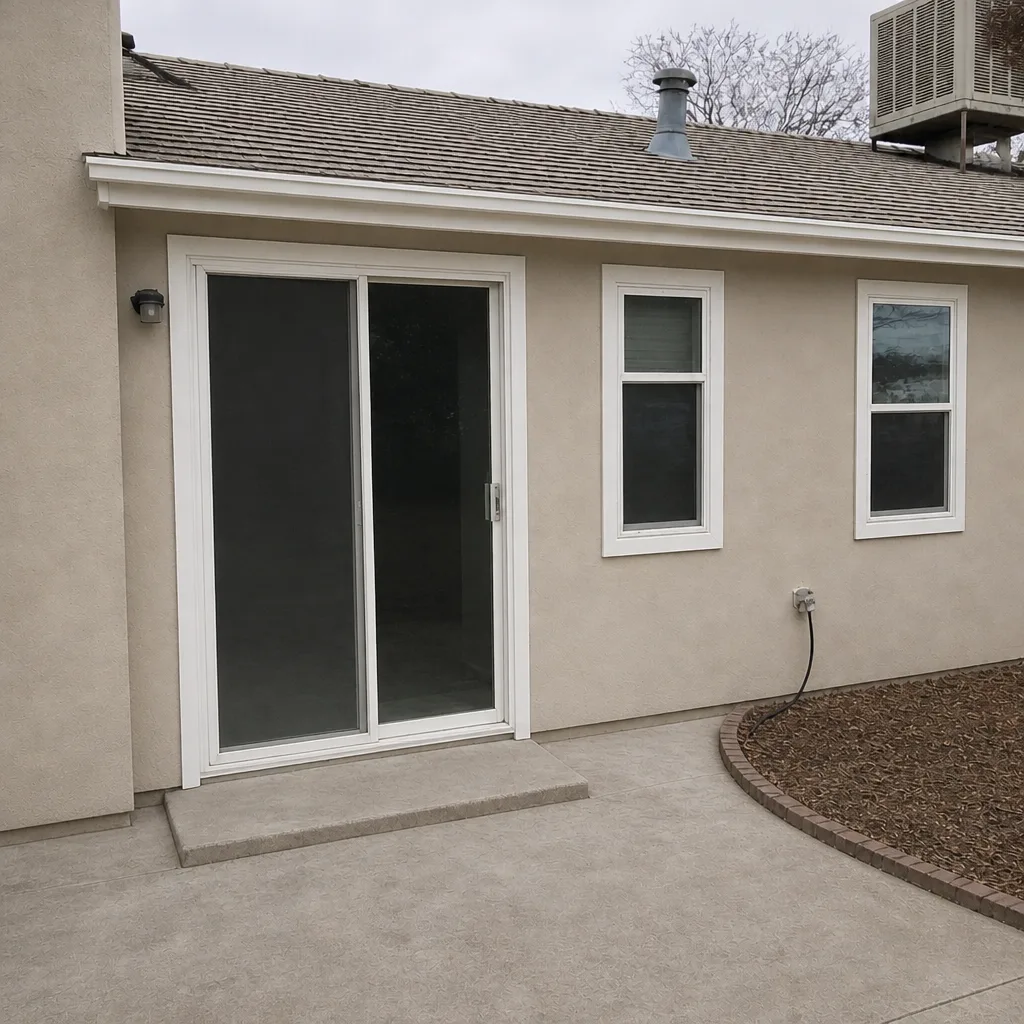
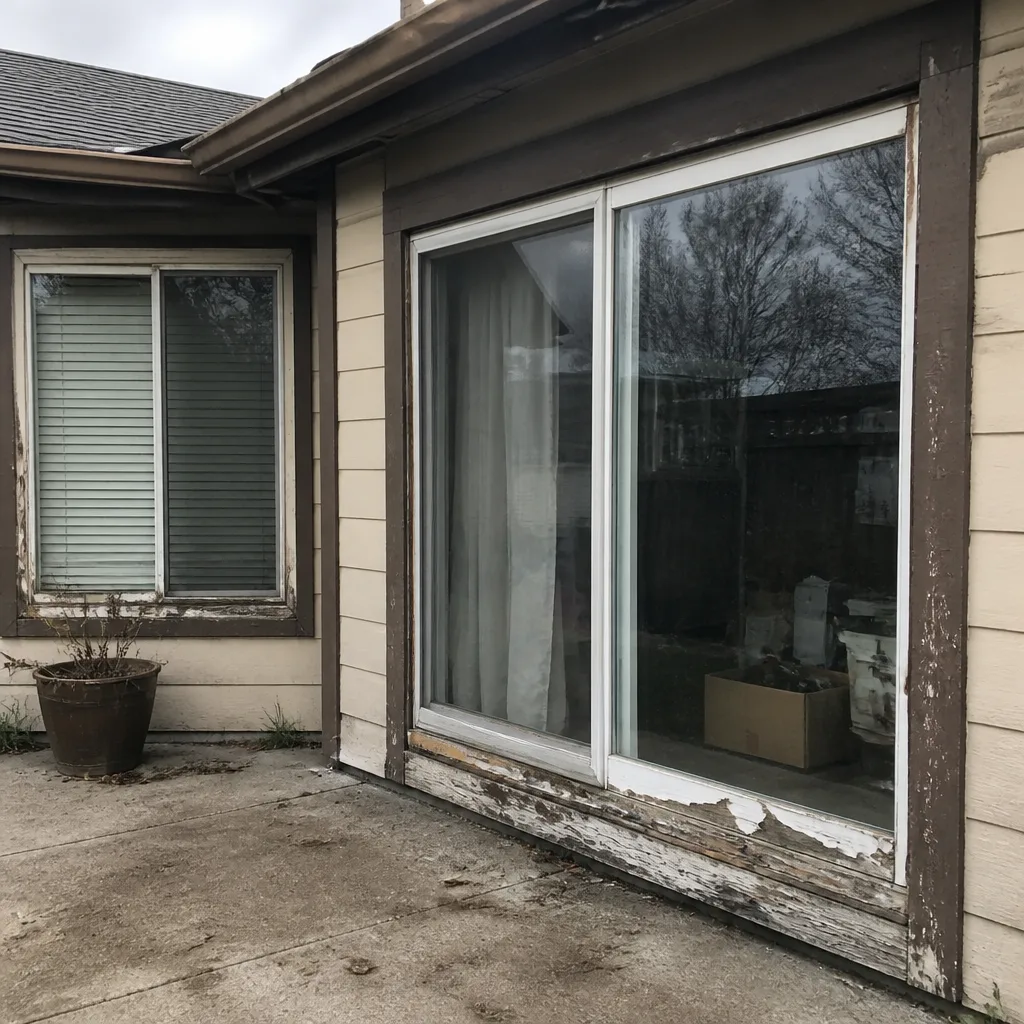
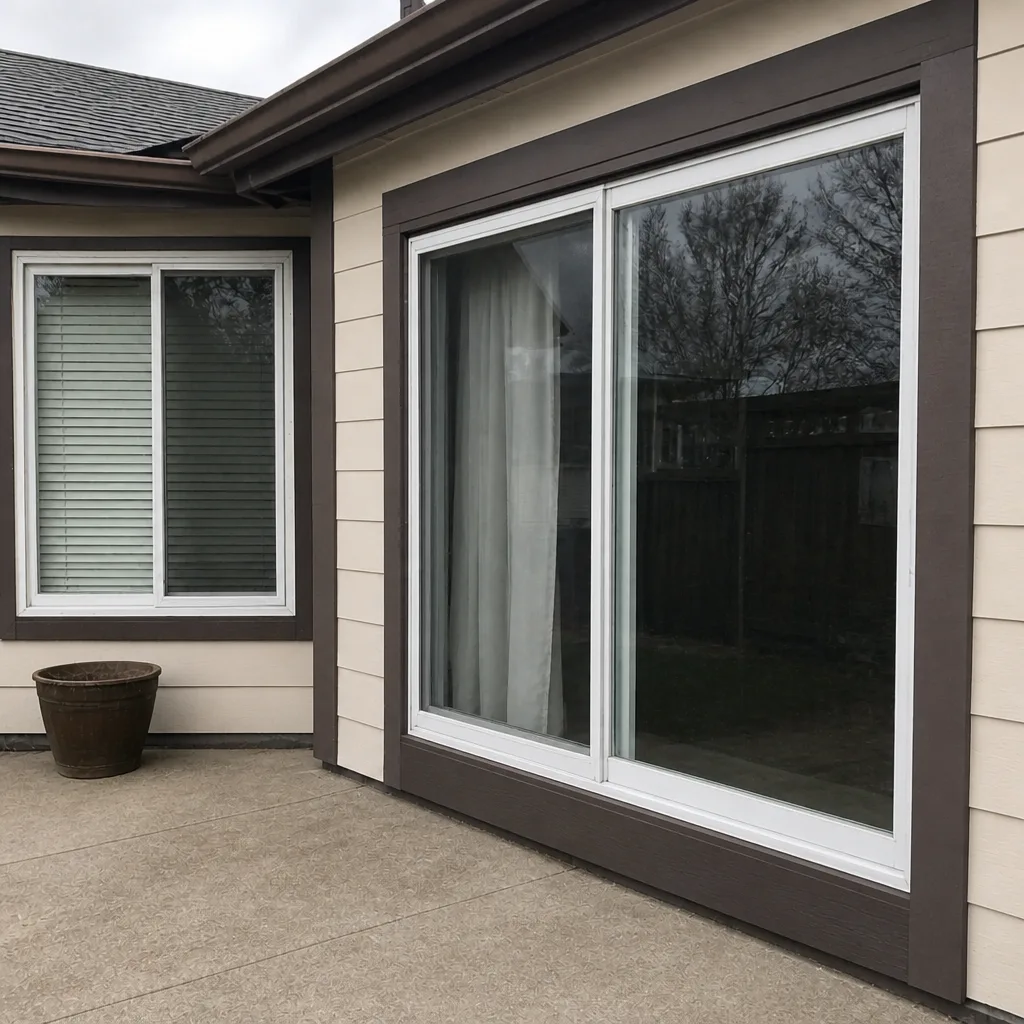
See the difference
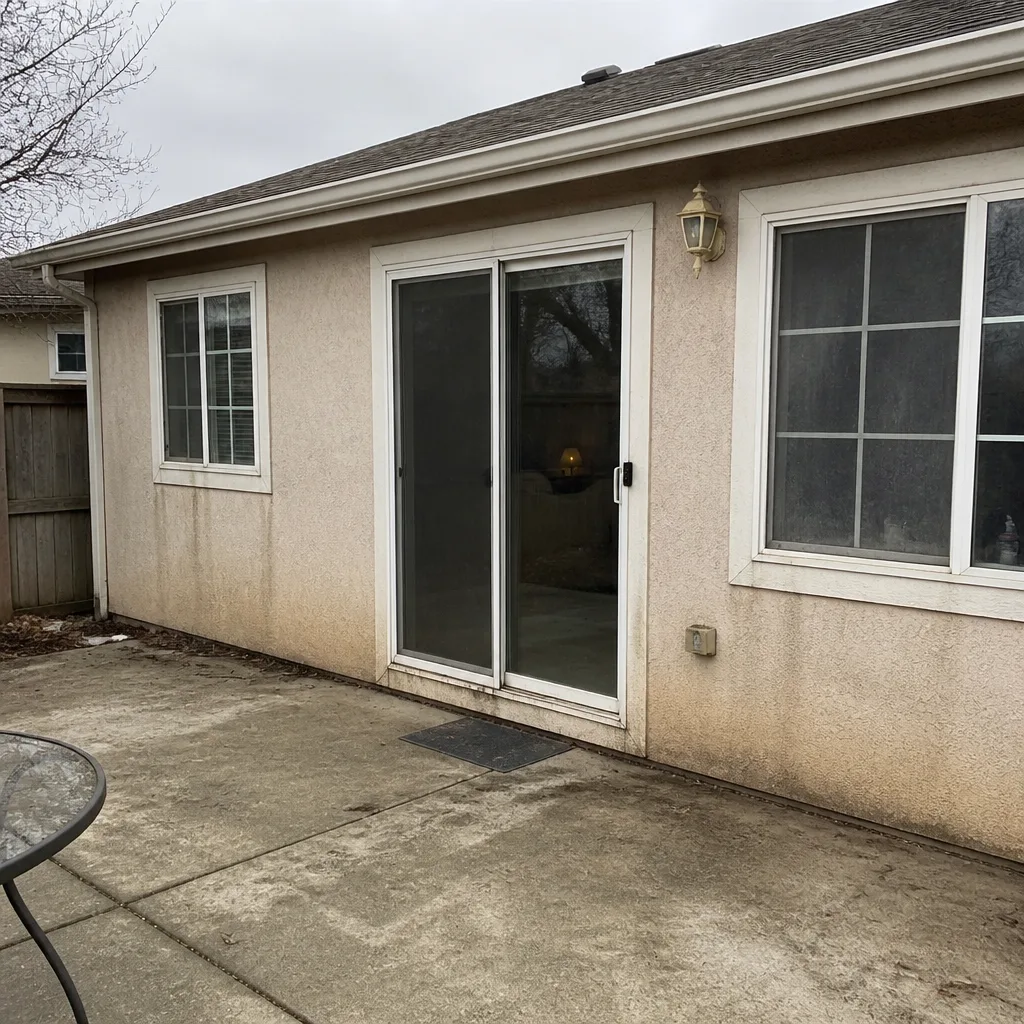 Before
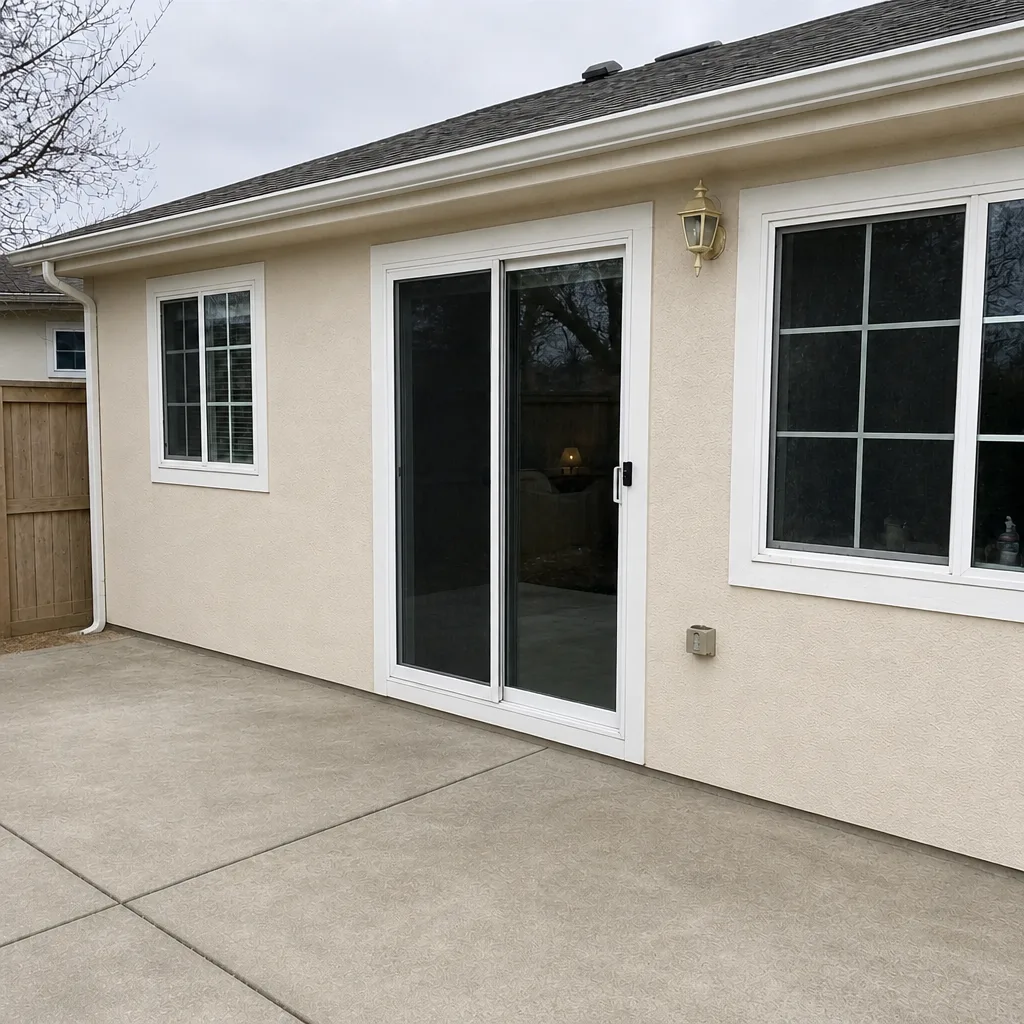 After
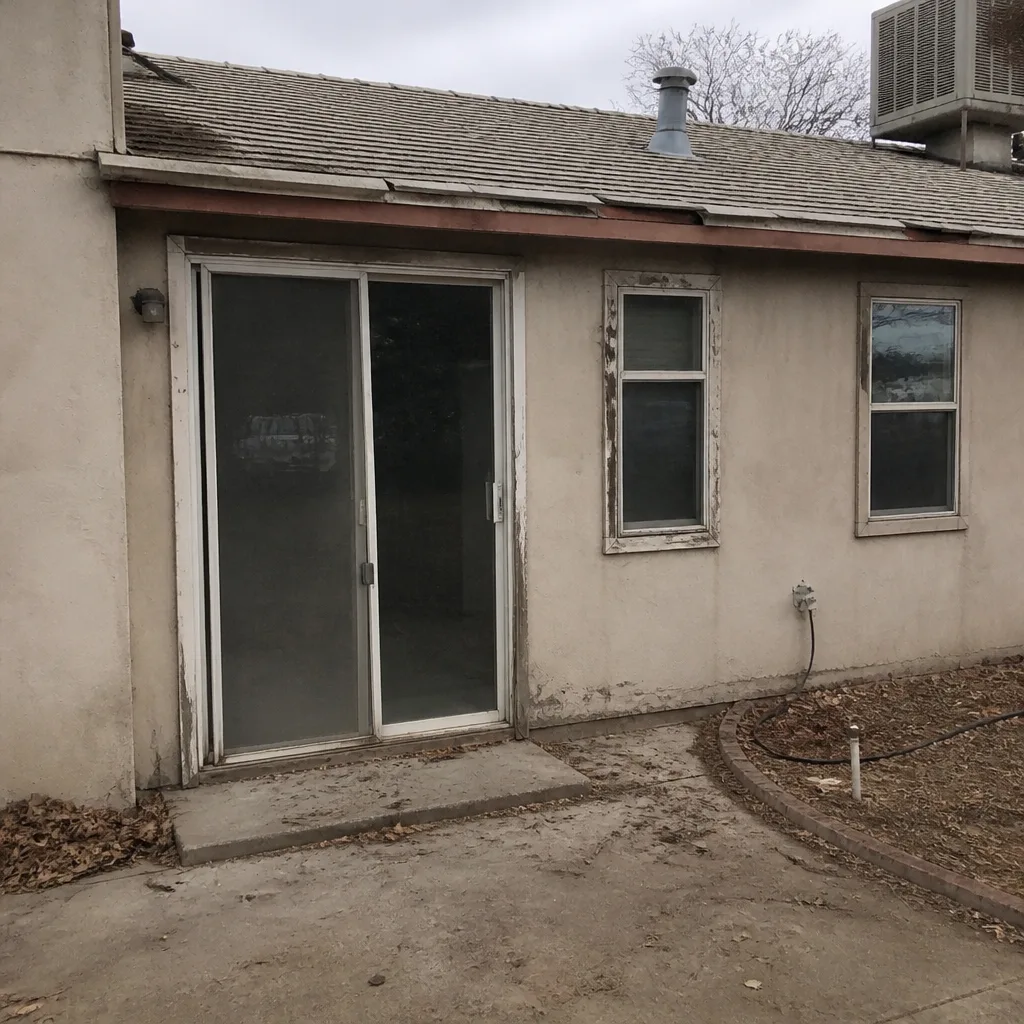 Before
 After
 Before
 After
When to Call a Professional
Most of this guide is work you can do yourself with ten minutes and a soft brush. The line between maintenance and a professional call is usually clear, and it’s worth knowing where it is. Call us if you find interior condensation or fogging between panes, which means the sealed unit has failed and no amount of care will restore it. Call us if you discover softness, stain, or rot at a frame corner or sill; frame damage usually reaches deeper than it looks. Call us if an impact-rated door or window has a compromised seal, because those assemblies are integrated and the wrong repair can void the rating. And call us for any full replacement decision, since matching the right frame and glass to Paradise’s thermal cycle is a judgment call rather than a product lookup.
Winslow Windows & Doors Paradise offers free estimates in Paradise. Call (833) 958-8388 to schedule yours, and we’ll walk the whole calendar with you, in your home, at your pace.
Frequently Asked Questions
Twice a year is the baseline in Paradise: a pre-summer prep in April or May and a post-summer inspection in October. Add a light drainage-channel clearing in March after wind season, and refresh caulking in late fall. That four-touch rhythm fits the actual weather arc here. Call (833) 958-8388 if you’d like an exact assessment for your home.
Interior fogging in October usually means the sealed glass unit has failed, not that the weather changed. The seal that holds the insulating gas between panes degraded over the summer’s thermal cycling, and the first cool nights make the condensation visible. A failed seal doesn’t repair itself. Call (833) 958-8388 to get a free second opinion on whether that unit can be repaired or needs replacement.
It’s usually from the dry winter air, not the temperature. Desert winter humidity is low enough to shrink wood door slabs and frames unevenly, which causes scraping and gaps. Re-checking bottom seals and refreshing caulking in late fall prevents most of it. If the door still sticks after a seal refresh, call (833) 958-8388 for an inspection.
Yes, and it matters more, not less. Impact-rated frames from CGI, CWS, ES Windows, and ECO Window Systems still have drainage channels, and the same Mojave dust collects in them. A clogged channel on an impact unit can compromise the frame seal, so clear them the same way you’d clear any window in Paradise. Call (833) 958-8388 if you’re not sure where the weep holes are.
Skipping the spring drainage-channel clearing after wind season. Wind-blown dust packs into the channels, water from summer rain or sprinkler overspray has nowhere to go, and the frame rots from the base up. It’s a ten-minute task per window that prevents a full replacement. Our technicians have up to 15 years of experience in Paradise and can show you exactly which channels to check, call (833) 958-8388.
Most of it is DIY-friendly: clearing channels, checking weatherstripping, testing latches, and inspecting caulk lines. The exceptions are anything involving impact-rated frames or doors with integrated seals, and any sign of rot, which should be professionally assessed. If you find something you’re unsure about, call (833) 958-8388 and we’ll schedule a free estimate.
The Bottom Line
Paradise doesn’t hand you four gentle seasons to work with. It gives you two brutal ones and two short transitional windows, and the care calendar that protects your home is built around that reality. Prep weatherstripping and clear drainage channels in April and May before the heat compresses your seals. Time your window use to early morning and evening during peak summer. Use October to inspect for the cumulative UV and thermal-cycling damage that cooler nights will expose. And treat low winter humidity, not cold, as the main threat to your door seals and caulking. Do those four things, and you’ll get years more out of your windows and doors than the generic advice would ever give you. That’s the whole schedule. It’s simpler than the calendar it replaces, and it’s what we walk Paradise homeowners through every season.
When it’s time for the bigger conversation, about a failed seal, a warped frame, or a full replacement built for this climate, Winslow Windows & Doors Paradise is here. We’re locally owned, our address and license number are published, and a live person answers every call. Ed’s name is on the door, and on every job we do. We’re the one down the road.
Call (833) 958-8388 to schedule your free estimate in Paradise today. Upfront pricing, no surprises on the invoice, and a local team that will actually pick up the phone.
Written by the team at Winslow Windows & Doors Paradise.