

Last updated November 18, 2026
 Impact garage doors
 Single hung
 Double hung
 Horizontal roller
 Casement
 Bay & bow
 Sliding glass doors
 Entry doors
 PGT
 CGI
Free in-home measure and quote - PGT, CGI and CWS impact lines compared on your actual openings, style by style
Get your free estimateImpact Windows Maintenance Checklist for Paradise Homeowners
Most impact window warranties are voided not by storm damage but by owner neglect of seals and frames. That surprises homeowners who bought impact glass precisely so they could stop worrying about it. Here in Paradise, the UV index runs higher than the national average for much of the year, and that sun does its quiet work on sealant and gaskets faster than the manufacturer’s baseline schedule assumes. The result: a window that still looks perfectly good from the living room but has quietly drifted out of warranty coverage and out of peak performance. What follows is the checklist we wish every Paradise homeowner had on the fridge – the real tasks, in the right order, mapped to our actual desert seasons rather than a generic four-season template written for Ohio.
Quick Answer
A working impact window maintenance routine in Paradise means cleaning weep holes and drainage channels every three months, lubricating locking hardware and hinges every six months instead of annually, inspecting sealant and glazing gaskets twice a year for UV breakdown, and checking the glass interlayer quarter for delamination or edge fogging. Do those four things on schedule and you preserve both performance and warranty coverage.
Styles & brands we work with
- Single hung
- Double hung
- Horizontal roller
- Casement
- Bay & bow
- Sliding glass doors
- Entry doors
- Impact garage doors
- PGT
- CGI
Table of Contents
- Why “Low Maintenance” Isn’t “No Maintenance” in Paradise
- Clearing Desert Dust From Weep Holes and Drainage Channels
- UV Degradation of Sealants: The Paradise Timeline
- Hardware Lubrication: Why the Manual’s Interval Is Too Long
- Reading the Glass: Interlayer Warning Signs
- A Season-by-Season Maintenance Calendar for Paradise
- Keeping Your Warranty Valid: Records That Matter
Why “Low Maintenance” Isn’t “No Maintenance” in Paradise
Impact windows are genuinely tough. The laminated glass assembly is engineered to resist wind-borne debris, and the frames are built to hold up under load. That durability is real, and it’s the reason most Paradise homeowners install them in the first place. But “low maintenance” is a relative term, and the marketing has stretched it well past what the engineering actually promises. The glass may be nearly indestructible. The seals, gaskets, weep holes, and hardware around it are not – they’re the parts that age, and they’re the parts that decide whether your window keeps performing or quietly degrades.
Here’s the part most buyers never hear. A window system is only as good as its weakest seal. Water intrusion and air leakage don’t usually start through the glass. They start at the perimeter, where sealant meets frame, or at the drainage path, where dust has clogged the exit route. In a wetter climate, gravity and rain help flush those paths. In Paradise, they don’t. Our annual rainfall is measured in a handful of inches, so dust accumulates for months with nothing to wash it away, then the first real storm pushes water into a drainage channel that’s been packed solid since spring.
Manufacturers know this. The installation and care manuals that ship with products from PGT and CGI, for example, contain specific maintenance language, and it’s often more demanding than the sales brochure suggests. The warranty typically requires the homeowner to perform that maintenance and keep records. Skip it, and a claim that should be covered can be denied on the grounds that the window wasn’t maintained to specification.
The reframe is simple. Low maintenance means fewer tasks, not zero tasks. The right maintenance means a short, targeted list done on the correct interval. That’s what keeps an impact window investment doing its job for decades rather than a dozen years. And if you’re still deciding what to install, our Winslow Windows & Doors Paradise home page lays out the options we handle locally.
Clearing Desert Dust From Weep Holes and Drainage Channels
This is the single most overlooked maintenance task in Paradise, and it’s the one that causes the most avoidable water damage. Weep holes are the small openings at the bottom of a window frame that let accumulated moisture drain out. Drainage channels are the interior paths that route water to those holes. In coastal markets, salt air and wind-driven rain keep those paths tested. Here, alkaline desert dust settles into them and packs down over months. Fine silt from a single dust event can partially block a channel, and repeated events finish the job.
The dust in our region is also alkaline, which matters more than most people realize. Alkaline residue is mildly corrosive to certain sealant formulations and can accelerate breakdown at the very points you’re trying to protect. Left sitting in a drainage channel, it holds moisture against the frame instead of letting it escape.
Here’s the cleaning sequence that clears the channels without damaging the glazing or the finish:
- Dry-brush first, always. Before any water touches the frame, use a soft-bristle brush or a vacuum with a brush attachment to lift loose dust out of the weep holes. Adding water to dry dust turns it into a paste that pushes deeper into the channel.
- Flush gently with low pressure. Use a squeeze bottle or a hose on a light setting – never a pressure washer, which can force water past seals and strip the finish. Direct the flow at the weep holes, not at the glass-to-frame joint.
- Clear the channel with a soft tool. A plastic zip tie or a wooden craft stick works well to gently dislodge packed silt. Metal tools scratch the finish and can score the frame, so keep them out of the channel.
- Wipe the glazing with a mild solution. A few drops of dish soap in warm water, applied with a soft cloth, removes the alkaline film without attacking the glass coating. Rinse with clean water and dry with a microfiber cloth to prevent water spots and mineral deposits.
- Confirm the drain. Pour a cup of water into the channel and watch it exit the weep hole. If it pools, the channel is still blocked and the step needs a second pass.
Do this quarterly. In Paradise, a spring dust event can undo a month of accumulation in an afternoon, so the schedule isn’t arbitrary. If you’d rather hand the whole job to someone with the right tools, our Impact Windows in Sandy Valley team handles the same maintenance work for our neighbors down the road.
UV Degradation of Sealants: The Paradise Timeline
Sealants and glazing gaskets break down under ultraviolet light, and Paradise gets more of it than most of the country. The national warranty language homeowners usually assume covers their windows is written against an average sun exposure – call it an inland national baseline. Our high-altitude desert sun delivers more hours of direct UV per year, and that compresses the timeline considerably. Where a coastal or midwestern installer might tell you to reseal every five to seven years, the honest interval here is closer to three to five years, and exposed south- and west-facing windows can start showing failure in as little as two to three.
What does sealant failure actually look like? It rarely announces itself. Look for:
- Chalking or a white powdery film on the sealant bead where it was once flexible
- Cracking, crazing, or pulling away from the frame at the perimeter
- Gaps that open at corners or where the bead was thin
- Water staining or discoloration on interior trim below a window
- Shrunken or hardened gaskets around the operable sash, often noticed first as a whistling sound in wind
The catch is that manufacturers’ care manuals typically state a maintenance interval without promising it matches every climate. That gap is where claims get denied. If your window fails at year four and you never resealed, an examiner can reasonably argue the failure was a maintenance issue rather than a manufacturing one.
The fix is straightforward. Walk your windows twice a year – after winter and again at the end of summer – and run your finger along the sealant bead. If it’s hard, cracked, or pulling away, it needs renewal. Note the condition and the date. That record becomes your evidence if a warranty claim ever arises. If a reseal job turns up more than you want to handle, a professional assessment from our Window Replacement in Sandy Valley service can tell you whether resealing is the answer or whether the window itself is nearing replacement.
Hardware Lubrication: Why the Manual’s Interval Is Too Long
Locking mechanisms, hinges, rollers, and sash operators all need lubrication, and the manufacturer’s manual usually specifies an annual interval. In Paradise’s low-humidity air, that’s not enough. Here’s the counterintuitive part: dry air doesn’t let you skip lubrication, it makes lubrication more important. Low humidity strips oils from metal surfaces faster than humid air does, because there’s less ambient moisture to keep moving parts from drying out and binding. Metal-on-metal contact in a bone-dry mechanism wears faster, and the locking hardware on a sash is something you actually rely on for both security and weather seal integrity.
Binding hardware is more than an annoyance. A lockshaft that won’t engage fully leaves the sash loose against its gasket, and a loose sash leaks air and water. It also leaves the window more vulnerable in a wind event, exactly when you want the whole system locked tight. In our experience, hardware in Paradise is best lubricated every six months rather than annually, and more often on the doors and sliders used daily.
The lubrication routine is small but specific:
- Start with a dry clean – wipe dust off the hardware with a cloth before applying anything.
- Use a dry-film or silicone-based lubricant on hinges, locks, and rollers. Avoid sticky petroleum greases, which attract dust in a way that gums up the mechanism in our environment.
- Work the lubricant into the moving parts by opening and closing the window or door several times.
- Wipe off excess. Overspray attracts the very dust you’re trying to keep out.
- Test the lock engagement and confirm the sash seals evenly all the way around.
If you notice a mechanism that grinds, sticks, or won’t hold, that’s a repair rather than a maintenance item – and a good time to get a professional eyes-on before it becomes a bigger fix.
Reading the Glass: Interlayer Warning Signs
The laminated glass in an impact window consists of two panes bonded to a plastic interlayer. That interlayer is what stops a shattered pane from separating and what holds the window together under impact load. It’s also the part that can fail silently, which makes visual inspection a genuinely useful skill. What you’re looking for is the earliest sign of a problem, not the aftermath.
Inspect the glass edge and the interlayer bond twice a year. Specific things to watch for:
- Edge fogging: a milky or cloudy appearance along the inside edge of the glass, especially at the bottom where moisture collects. This signals that the edge seal has broken down and the interlayer is taking on moisture.
- Delamination bubbles: small bubbles or a “bubbling” pattern where the interlayer separates from the glass. These often start at the perimeter and grow.
- Discoloration: a brownish or yellowish tint developing within the interlayer itself, separate from any surface film.
- Hazing: a permanent fog inside the laminated assembly that doesn’t wipe away.
Any of these is a potential warranty matter, and the key is timing. Manufacturers often require that a defect be reported within a specific window from discovery, and the warranty can be denied if you let it progress to outright failure before notifying. Catching edge fogging early gives you the strongest possible claim. Catching it after the glass has physically separated gives you a much weaker one.
Photograph any of these findings with a date reference. If you’re not sure whether what you’re seeing is a maintenance issue or a defect claim, a professional inspection is worth the visit. Winslow Windows & Doors Paradise offers free estimates on any work that results, so an inspection costs you nothing to start.
A Season-by-Season Maintenance Calendar for Paradise
Generic window care guides are written for a four-season climate with hard freezes and heavy snow load. That template doesn’t fit Paradise, where the dominant stressors are sun, heat, dust, and a brief but intense monsoon window. Here’s the calendar we actually recommend for our own climate.
Late winter / early spring (February-March): This is the interval to reseal and prep for the dust season. Inspect sealant beads and reseal anything hardened or cracked. Lubricate all hinges and locks. Clear weep holes before the spring wind events. This is also a good time to check interior trim for water staining from the winter.
Late spring (April-May): Pre-monsoon drainage check. Re-confirm every weep hole and drainage channel flows freely before the first summer storms. Inspect the interlayer at the glass edge for fogging or bubbles. Check that all screens and operable hardware are sound.
Monsoon season (June-September): Watch closely during this window. After any significant storm, check for water intrusion at the perimeter and confirm drainage. Re-lubricate hardware midway through the summer, since heat and dry air accelerate wear. This is also peak UV load, so the sealant inspection matters more now than at any other point in the year.
Fall (October-November): Post-summer full inspection. Check every sealant bead, since the summer’s UV exposure is what does the real damage. Look for interlayer changes that may have emerged over the hot months. Fresh lubrication sets the hardware up for the cooler, drier months ahead. This is the ideal time to file any warranty observations you’ve noted.
One more local note: if an unusual cold snap hits, don’t force a frozen or stiff mechanism. Bring the temperature up gradually inside the house before operating the window. Forcing hardware in cold weather is one of the more common ways to break it.
Keeping Your Warranty Valid: Records That Matter
The most preventable warranty denial is the one caused by missing records. Most premium impact window warranties, including those behind the ViewLux and CWS products we install, condition coverage on proper maintenance. If you can’t show that you maintained the window, an adjuster has an opening to argue the failure wasn’t covered. The remedy isn’t complicated – keep simple records.
What to keep:
- The date and type of every maintenance task (weep hole clearing, resealing, lubrication).
- Photographs of the windows at inspection intervals, with timestamps.
- A copy of the installation paperwork, warranty documents, and any service invoices.
- Notes on any defect you observe, with the date you first noticed it.
A small folder or a phone-based note works. You don’t need a formal logbook. You need the ability to show that if a perimeter leak or interlayer bubble showed up at year five, you kept up your side of the relationship. That’s what makes the warranty a real promise instead of a piece of paper. And if questions arise, our Window Installation in Sandy Valley team can help interpret what your documentation should cover.
Common Mistakes to Avoid
- Pressure-washing the frames. A pressure washer can force water past seals and strip the finish off the frame, causing the exact intrusion the window was designed to prevent. Use low pressure and a gentle direct flow only.
- Treating weep holes as optional. In a wet climate gravity keeps drains clear. In Paradise, dust fills them for months with nothing to flush them. A blocked weep hole is a future interior water stain, and by the time you see it, the damage has often set in.
- Following the manufacturer’s annual lubrication schedule. Low desert humidity dries out moving parts faster than the manual’s baseline assumes. In Paradise, hardware needs attention every six months, and more often on daily-use doors and sliders.
- Skipping reseals because the sealant “still looks fine.” Sealant failure is subtle. Hardened or chalking beads don’t always look dramatically bad, but they’ve already stopped doing their job. A two-year-old bead in full sun may already be failing.
- Using harsh abrasive cleaners on the glazing. Abrasives and ammonia-heavy cleaners can dull the glass and attack the finish on the frame, especially where the coating is thin. Mild soap and water is the right answer almost always.
- Ignoring early interlayer fogging. A small cloudy patch along the glass edge is the cheapest possible time to file a claim. Wait, and it becomes a bigger, harder-to-win claim that may fall outside the reporting window.
- Losing the paperwork. A perfectly valid warranty claim can be weakened by missing service records or a lost installation invoice. Keep the file from day one.
See the difference
 Before
 After
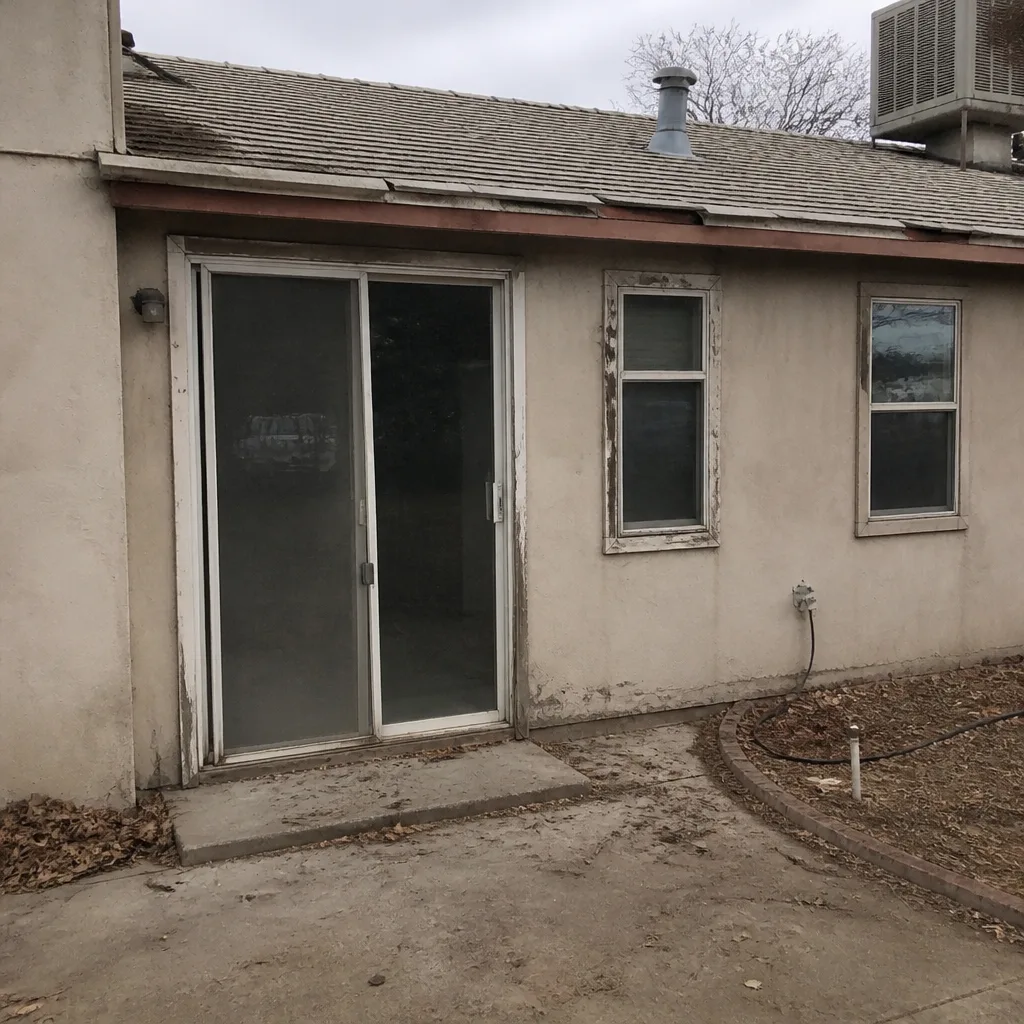 Before
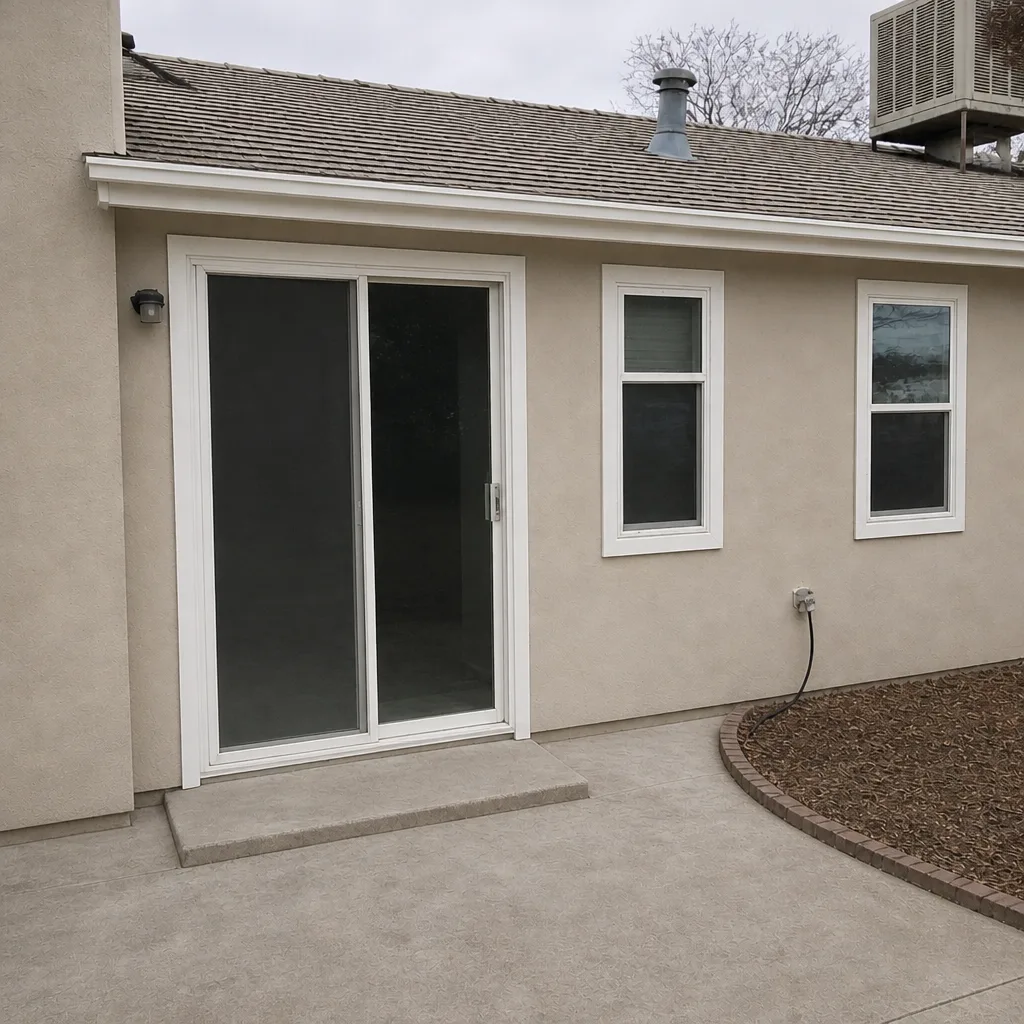 After
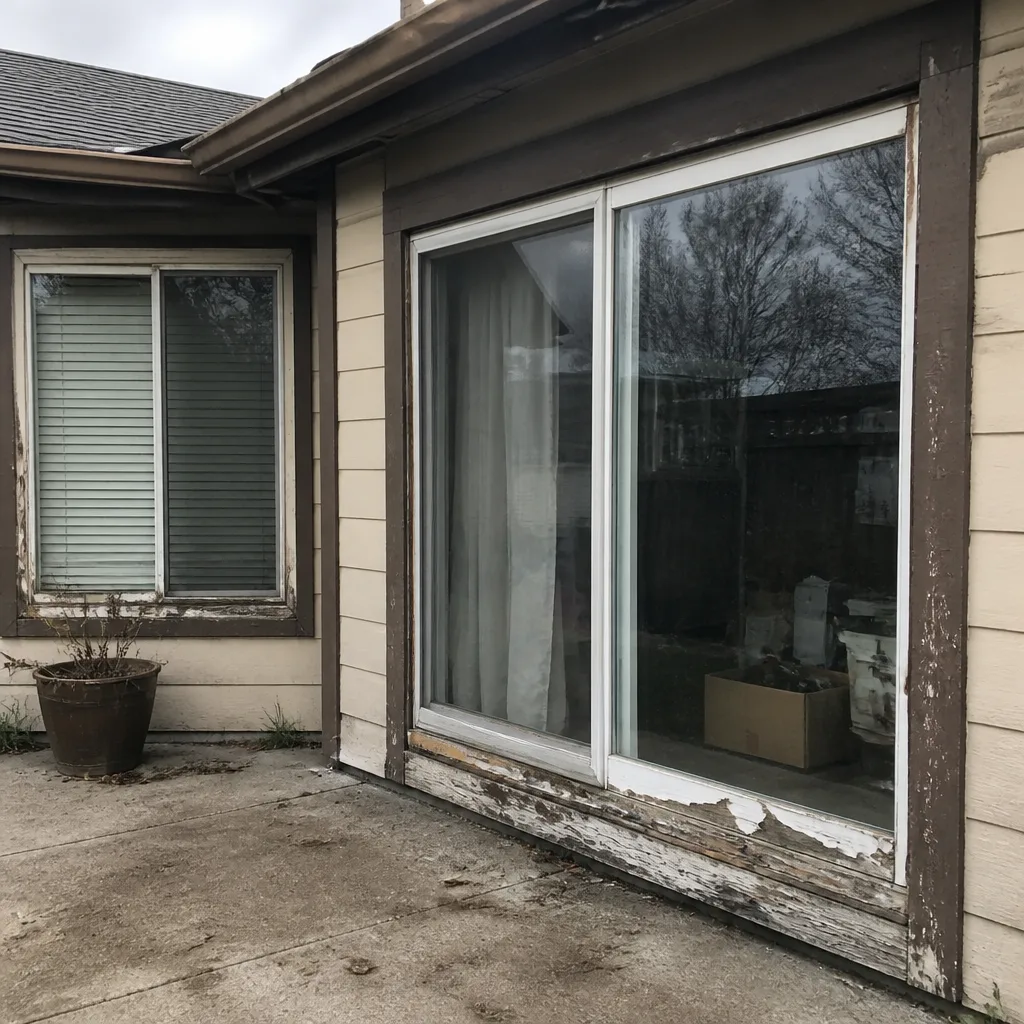 Before
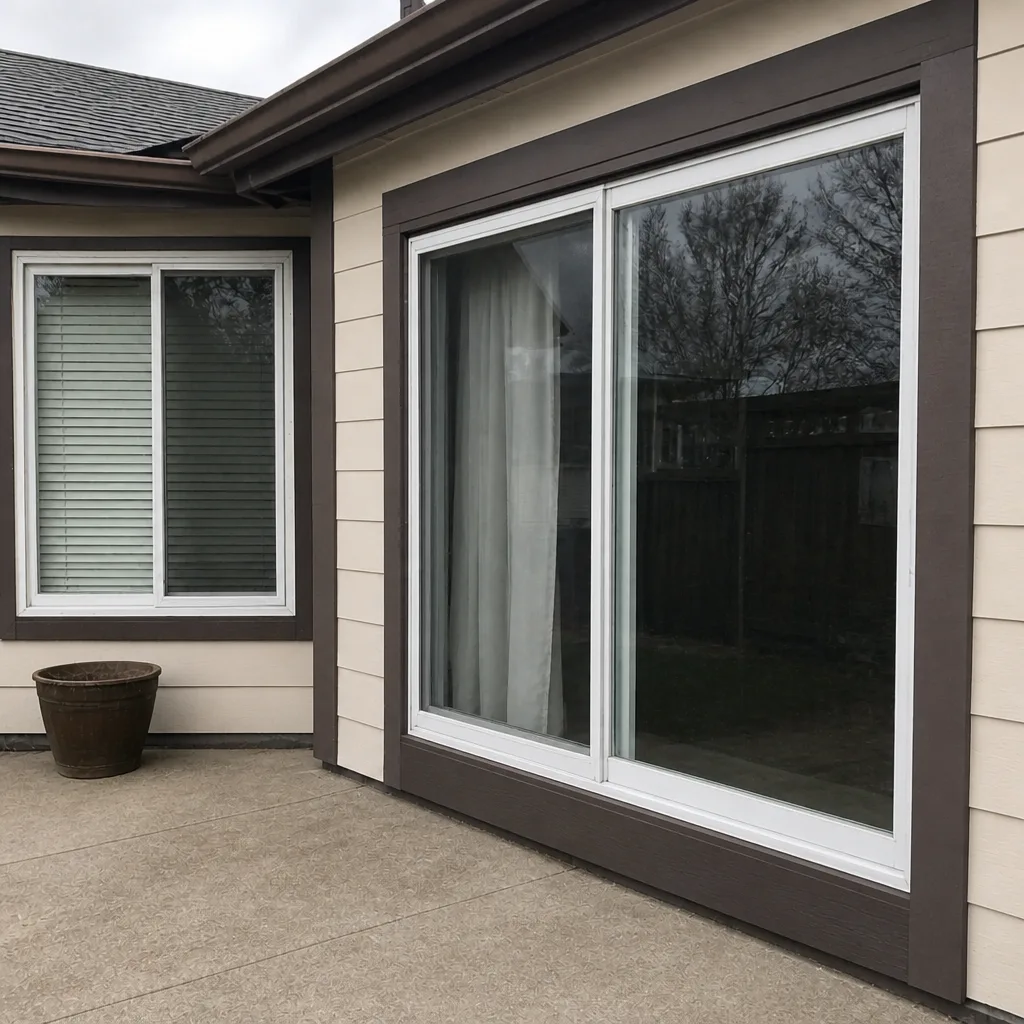 After
When to Call a Professional
Some of this checklist you can handle yourself – dusting weep holes, wiping glazing, checking sealant condition. Some of it should go to someone trained to assess it. Call a professional when you find water intrusion at the perimeter or interior staining that suggests an active leak, when hardware is binding or locks won’t engage and simple lubrication hasn’t fixed it, when interlayer fogging or delamination appears (that’s a potential warranty claim that benefits from expert eyes and documentation), when a sealant failure covers a large portion of the window, or when a storm has left visible damage to the frame or glass. Impact glass is genuinely tough, but a compromised frame from impact damage is a repair call, not a DIY project. For any of these scenarios, Winslow Windows & Doors Paradise offers free estimates in Paradise – call (833) 958-8388 and a live person will answer, day or night.
Frequently Asked Questions
Quarterly for weep hole and drainage clearing, every six months for hardware lubrication and sealant inspection, and twice a year for a full exterior and interlayer check. The desert climate compresses the standard schedule, so what a manufacturer’s manual lists as an annual task should be done more often here.
Yes, and it’s common. The high UV load in Paradise breaks down sealants faster than the national warranty baseline assumes, and south- and west-facing windows are hit hardest. Reseal on a three-to-five-year cycle, and inspect twice a year so you catch failure early.
You can do it yourself with a soft brush, a squeeze bottle, and a plastic tool. The one thing to never do is use a pressure washer. If the channel won’t clear or you find water intrusion, call a professional to evaluate it before it becomes interior damage.
It shows up as fogging along the glass edge or small bubbles between the panes. It matters because the laminated interlayer is what holds a broken pane together, and early delamination is a warranty claim worth filing before the glass actually fails. Photograph it as soon as you see it.
Often it’s on you unless you can show proper maintenance. Most premium impact window warranties condition coverage on the homeowner keeping seals and hardware in specification. Keep dated maintenance records and photos so you’re never in a position of trying to prove it after the fact.
Cost depends on window count, size, and the product line – PGT and CGI sit at different price points, and frame configuration affects the total. The best move is a written, line-item estimate so you can compare apples to apples. Call (833) 958-8388 for a free estimate on replacement in Paradise; a live person answers every call, and we’re happy to give a free second opinion on any estimate you already have.
The Bottom Line
Impact windows are a long-term investment, and the maintenance that protects them is short: clear the desert dust from your drainage paths, reseal on the Paradise UV timeline rather than the national one, lubricate hardware every six months, and watch the glass itself for early interlayer warning signs. Do those four things and you keep the warranty valid, the performance intact, and the investment doing its job year after year. That’s the “right maintenance” promise. When a task turns into a repair, or you just want a professional set of eyes, Winslow Windows & Doors Paradise handles it. Our technicians have up to 15 years of experience, every one is background-checked and arrives in uniform, and Ed’s name is on every job. Call (833) 958-8388 for a free estimate – upfront pricing, no surprises on the invoice, and the 36500-Day Done Right Promise backing it. About Us – the one down the road.
Written by the team at Winslow Windows & Doors Paradise.